Key Takeaways
-
Never remove more than one-third of a bush in a single trimming session, as cutting too much causes serious plant stress; trim overgrown bushes gradually over multiple sessions instead.
-
Trim most shrubs in late winter or early spring before new growth begins, but trim flowering bushes immediately after they bloom to avoid cutting off flower buds.
-
Use sharp, properly-sized tools and cut at 45-degree angles just above healthy buds to make clean cuts that prevent rot and disease, while maintaining an A-frame shape for hedges.
-
Perform light maintenance trims every 4-6 weeks throughout the year rather than letting bushes grow wild and attempting one major correction, which is easier on plants and homeowners.
-
Remove dead, diseased, or damaged branches first before shaping, then water deeply after trimming and add 2-3 inches of mulch around the base to support plant recovery.
-
Use hand pruners for branches up to ¾ inch, loppers for thicker branches up to 2 inches, and hedge shears or electric trimmers for larger hedges; always wear gloves and eye protection.
Your yard is the first thing people notice about your home. And nothing pulls a yard together quite like neatly trimmed bushes and shrubs. Whether you have a few hedges along the walkway or a full row of bushes lining your fence, regular bush trimming makes a huge difference. It keeps your landscape looking clean, healthy, and well-cared-for — and that feels really good!
But knowing how to trim bushes the right way takes a little know-how. Trim too much, and you could damage your plants. Trim too little, and things start to look wild and overgrown. The good news? With the right tips, bush trimming can be simple and even enjoyable. This guide is packed with easy, practical advice for every type of homeowner — whether you are a busy parent, a new homeowner in Valrico, or someone who just wants a beautiful yard without all the guesswork.
Let us dive in!
Why Regular Bush Trimming Matters
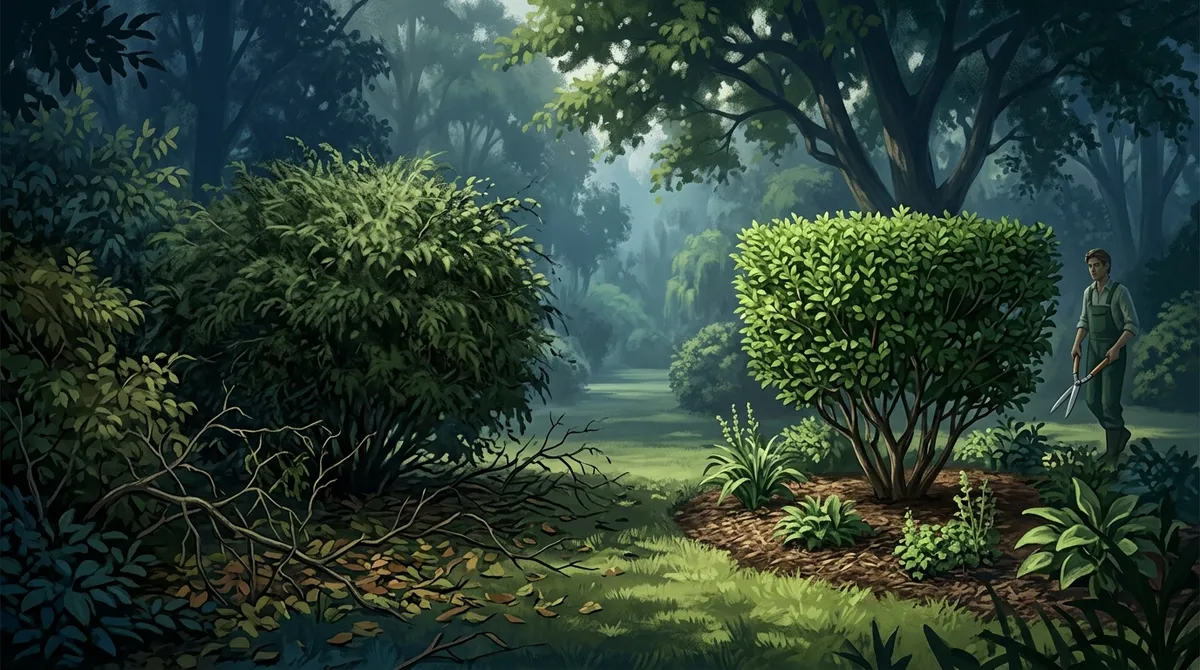
Bush trimming is not just about looks. Regular trimming actually helps your bushes grow stronger and healthier. When you remove dead or overgrown branches, you allow sunlight and air to reach the inner parts of the plant. This promotes new growth and reduces the risk of disease.
Beyond plant health, well-trimmed bushes add real curb appeal to your home. A neat, tidy yard signals that a home is well-maintained. Whether you are looking to impress guests or boost your home’s value, consistent lawn maintenance — including bush trimming — is one of the smartest things you can do.
The 11 Best Bush Trimming Tips for a Beautiful Yard
1. Know the Best Time to Trim
Timing matters a lot with bush trimming. Most shrubs do best when trimmed in late winter or early spring, just before new growth begins. This gives the plant time to recover and thrive in the warmer months. Some flowering bushes, however, should be trimmed right after they bloom — trimming too early can cut off the flower buds.
In Florida’s warm climate, you may find that your bushes need trimming more often than in cooler regions. A good rule of thumb is to check your bushes monthly and give them a light trim whenever they start to look shaggy.
2. Use the Right Tools
Using the right tools makes bush trimming much easier. Dull or wrong-sized tools can tear branches instead of cutting them cleanly, which can damage the plant and invite disease.
Here are the basic tools you will need:
- Hand pruners — Great for small branches up to ¾ inch thick
- Loppers — Best for thicker branches up to 2 inches
- Hedge shears — Ideal for shaping larger hedges and bushes
- Electric or battery-powered hedge trimmers — Efficient for large areas
- Gloves and eye protection — Always protect yourself!
Always clean and sharpen your tools before use. Sharp blades make cleaner cuts, which helps your bushes heal faster and stay healthier.
3. Start with a Plan
Before you start cutting, take a step back and look at your bushes from different angles. Decide on the shape you want — rounded, square, or natural. Having a clear picture in your mind before you start helps you avoid over-trimming.
If you are working on a formal hedge, use string or a chalk line as a guide to keep your cuts even and straight. For a natural shape, work gradually from the outside in, removing a little at a time.
4. Never Remove More Than One-Third of the Plant
This is one of the most important rules of bush trimming. Never cut away more than one-third of a bush’s total size in a single trimming session. Cutting too much at once puts the plant under serious stress and can even kill it.
If a bush has gotten very overgrown, take a patient approach. Trim it back gradually over a few sessions rather than trying to fix it all at once. Your plant will thank you!
5. Cut at the Right Angle
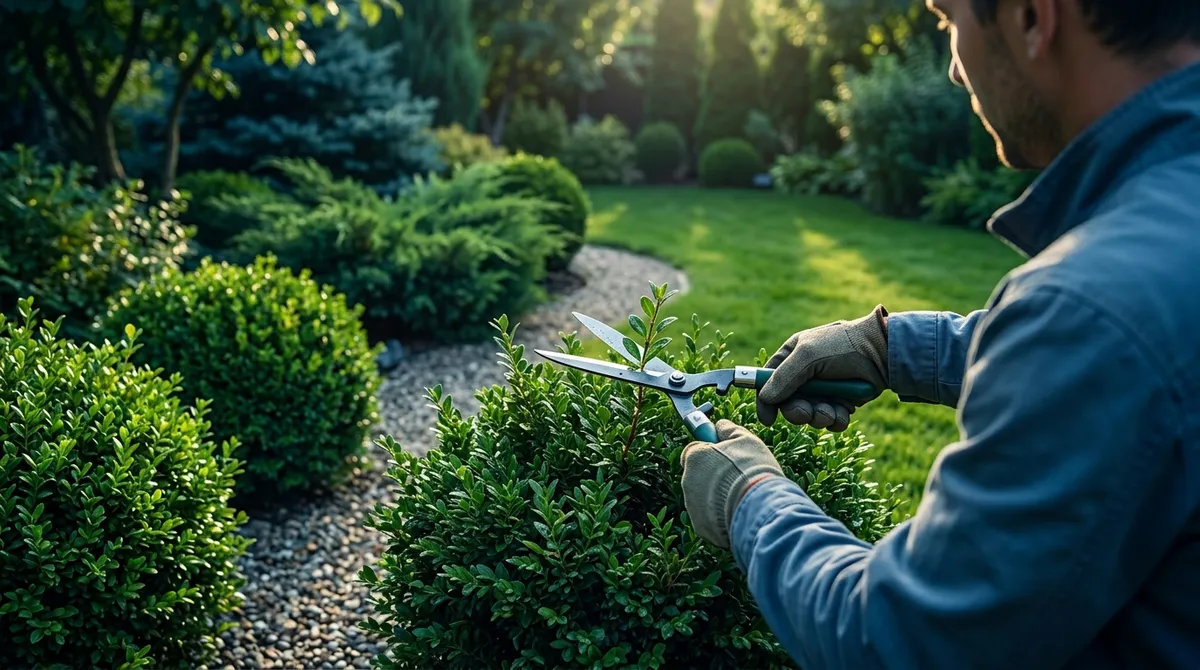
The angle of your cut matters more than most people think. For individual branches, cut at a 45-degree angle just above a healthy bud or side branch. This angle allows water to run off the cut surface, which helps prevent rot and disease.
For hedges and shaped bushes, keep the top slightly narrower than the base. This “A-frame” shape allows sunlight to reach the lower branches, keeping the entire bush healthy and full from top to bottom.
6. Remove Dead, Diseased, or Damaged Branches First
Before you start shaping your bushes, always remove any dead, diseased, or damaged branches. These branches drain energy from the rest of the plant and can spread disease if left in place.
Look for:
- Brown or black branches that snap easily
- Branches with unusual spots, fungus, or discoloration
- Branches that cross or rub against each other
- Any growth that looks unhealthy or out of place
Removing these first gives you a cleaner starting point and helps your bushes look their best after trimming.
7. Clean Up as You Go
Bush trimming can get messy quickly! Clippings on the ground can become slippery and make it harder to see what you are working with. Make a habit of clearing debris every few minutes as you trim.
After you finish, rake up all the clippings and dispose of them properly. If any of your bushes showed signs of disease, do not compost those clippings — bag them and throw them away to prevent spreading problems to other plants. You might also consider a property clean-up service to handle the heavy lifting after a major trimming session.
8. Water Your Bushes After Trimming
Trimming is a bit of a workout for your plants. After a trimming session, give your bushes a good deep watering. This helps reduce stress on the plant and supports new growth.
In Florida’s heat, especially during the summer months, consistent watering is key. Try to water in the early morning so the moisture can soak in before the heat of the day evaporates it. Avoid watering in the evening, as wet foliage overnight can encourage fungal growth.
9. Add Mulch Around the Base
After trimming and watering, consider adding a layer of mulch around the base of your bushes. Mulch helps retain moisture, regulate soil temperature, and reduce weed growth around your shrubs.
Apply a 2-3 inch layer of mulch, but keep it a few inches away from the base of the plant to prevent rot. If you need help with mulch application, check out the mulch installation service available for homeowners in the Valrico area — it is a great way to give your yard a polished, finished look.
10. Trim Consistently Throughout the Year
One of the biggest mistakes homeowners make is letting bushes go too long without trimming, then trying to fix it all at once. Consistent, light trimming throughout the year is much better for your plants — and much easier on you!
Here is a simple seasonal trimming schedule to follow:
| Season | Trimming Task | Frequency |
|---|---|---|
| Spring | Major shaping and cleanup trim | Once at start of season |
| Summer | Light maintenance trim | Every 4-6 weeks |
| Fall | Moderate trim before cooler weather | Once mid-season |
| Winter | Remove dead growth; light shaping | As needed |
Sticking to a consistent schedule keeps your bushes looking great year-round without ever getting out of hand.
11. Know When to Call a Professional
Sometimes, bush trimming is just more than one person can handle alone. If your bushes have grown very large, if you have a lot of hedges to maintain, or if you simply do not have the time, calling a professional lawn care team is a smart move.
Professional bush trimming ensures the job is done correctly and safely — especially for large or hard-to-reach shrubs. Teams like those at All Trusted Lawn Care have the tools, skills, and experience to make your bushes look their absolute best. If you are in the Valrico, Brandon, or Bloomingdale area, we are just a call away.
Common Bush Trimming Mistakes to Avoid
Even well-meaning homeowners can make mistakes when it comes to bush trimming. Here are some of the most common ones to watch out for:
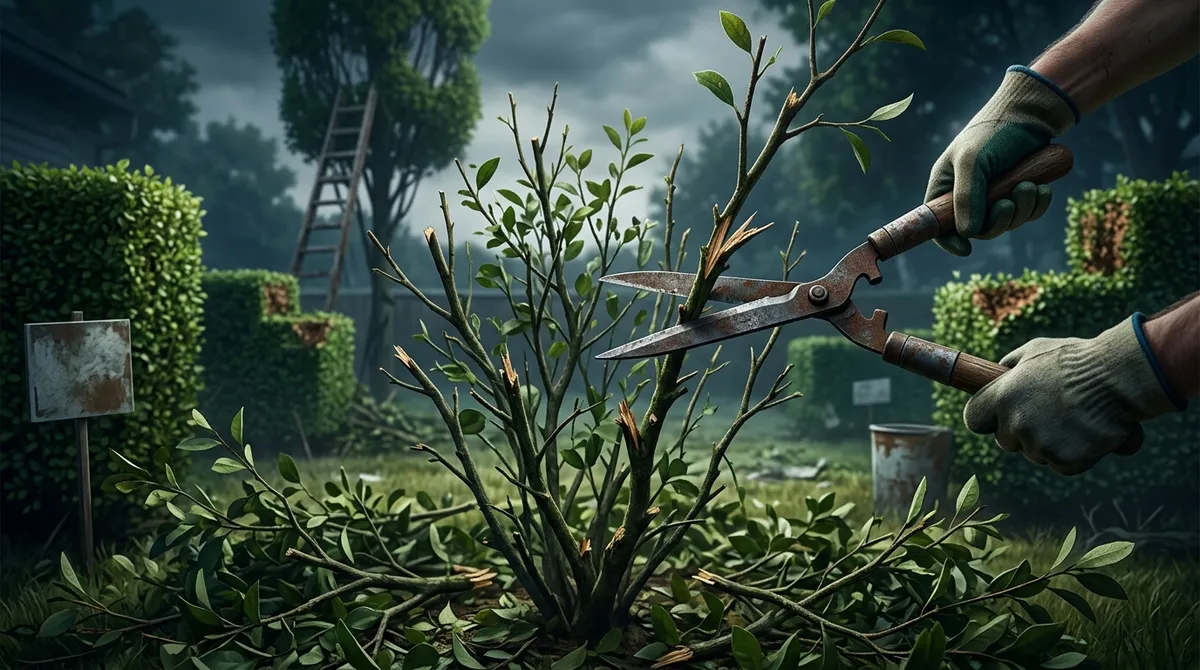
- Topping bushes — Cutting the top of a bush flat and leaving the sides untrimmed creates an unnatural look and can weaken the plant
- Trimming at the wrong time — Trimming flowering bushes right before they bloom removes the flower buds and leaves you with a bare bush
- Using dull tools — Torn branches are far more prone to disease than clean cuts
- Ignoring safety — Always wear gloves and eye protection, especially when using power trimmers
- Skipping cleanup — Leaving clippings on the ground can spread pests and disease
Bush Trimming vs. Pruning: What is the Difference?
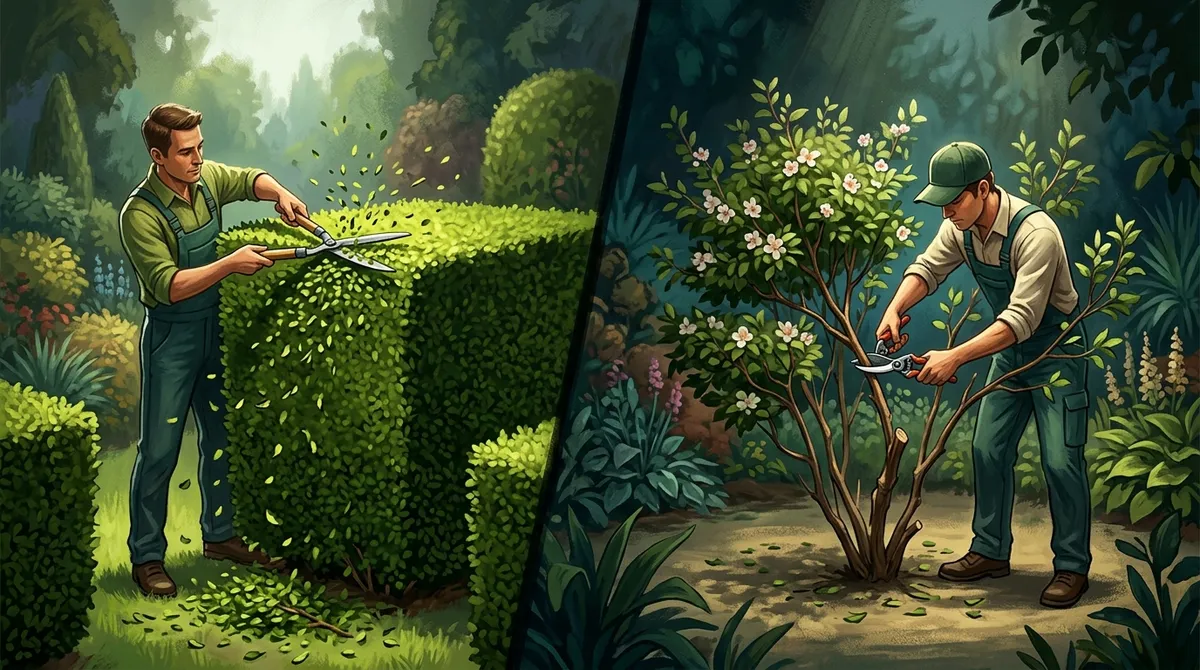
People often use the terms “trimming” and “pruning” interchangeably, but they are slightly different. Understanding the difference can help you care for your bushes better.
| Bush Trimming | Pruning |
|---|---|
| Focuses on shaping and aesthetics | Focuses on plant health |
| Done more frequently | Done once or twice a year |
| Uses hedge shears or trimmers | Uses hand pruners or loppers |
| Removes outer growth | Removes specific problem branches |
Both are important parts of keeping your landscape healthy and beautiful. A well-rounded landscape design plan will include both regular trimming and periodic pruning for the best results.
How Professional Lawn Care Can Help
Let’s be honest — not everyone has the time, energy, or tools to keep up with regular bush trimming. And that is completely okay! Professional lawn care services are here to make your life easier and your yard more beautiful.
Whether you need ongoing Valrico lawn care or a one-time cleanup, a professional team brings experience and efficiency that is hard to match on your own. They know how to handle all types of bushes and shrubs, and they come equipped with professional-grade tools that get the job done right.
Looking for inspiration? Check out our gallery to see some of the beautiful yards we have helped maintain in the area. And if you are thinking about a full yard makeover, our landscape installation services can help you build the yard of your dreams from the ground up.
For neighbors in Brandon and surrounding communities, our Brandon lawn care and Bloomingdale lawn care teams are ready to help. You can also visit us on Google to read reviews from happy homeowners in our community!
After your bush trimming is complete, a clean outdoor space really shines. If your driveway or patio needs a refresh too, our friends at Buckhorn Power Wash do excellent work on exterior surfaces around the home. And if you are planning a move into or around the Valrico area, DynaMight Movers is a trusted local option worth knowing about.
You can also follow us on Facebook to see our latest projects, tips, and seasonal updates. Our community loves sharing their yard transformations, and we love celebrating them!
Want to learn more about finding the right help for your yard? Our guide on how to choose the best lawn care service for your needs is a great place to start.
Wrapping It All Up
Bush trimming is one of those tasks that makes a huge impact on how your yard looks and feels. With the right tools, the right timing, and a little consistency, you can keep your bushes looking neat and healthy all year long. Remember the golden rule: trim a little often rather than a lot all at once.
If you ever feel overwhelmed or just want a professional touch, do not hesitate to reach out to a trusted team in your area. All Trusted Lawn Care is proud to serve homeowners across Valrico, East Brandon, Bloomingdale, and Fishhawk — and we would love to help you create a yard you are truly proud of.
Ready to get started? Reach out to our team today or give us a call at 813-833-1882 to schedule your free estimate. Your dream yard is closer than you think!
FAQs
Q: How often should I trim my bushes?
A: Great question! For most bushes in Florida’s warm climate, a light trim every 4 to 6 weeks during the growing season works well. A consistent schedule keeps things manageable and your yard looking tidy without putting too much stress on your plants.
Q: What is the best time of year to do bush trimming?
A: Late winter or early spring is generally the best time for a major trimming session, just before new growth kicks in. For flowering bushes, wait until right after they bloom so you do not accidentally cut off those beautiful buds!
Q: Can I trim my bushes too much?
A: Absolutely — and it is a more common mistake than you might think! The golden rule is to never remove more than one-third of the plant in a single session. Over-trimming can stress your bushes and slow down their recovery, so take it slow and steady.
Q: Do I need special tools for bush trimming?
A: You do not need a huge collection of tools, but having the right ones makes a big difference! Hand pruners, loppers, and a good pair of hedge shears (or an electric trimmer for larger hedges) will cover most jobs. Always make sure your tools are clean and sharp before you start.
Q: Is it worth hiring a professional for bush trimming?
A: For many homeowners, especially those with busy schedules or large properties, hiring a professional is absolutely worth it. A skilled lawn care team can trim your bushes safely, efficiently, and with great results — leaving you more time to enjoy your beautiful yard!