Key Takeaways
-
Avoid overwatering and fertilizing dormant grass; water only ½ inch every 2-3 weeks and skip fertilizer entirely to prevent fungal issues and root damage.
-
Distinguish dormant grass from dead grass by gently pulling blades—firm white roots indicate dormancy, while dark mushy roots or easy pulling means dead grass requiring sod repair.
-
Reduce mowing frequency and never cut dormant grass too short, as scalping removes the protective layer insulating roots and stresses recovery in spring.
-
Clear leaves and debris regularly from dormant grass to prevent fungal disease and mold, and minimize foot traffic to avoid soil compaction.
-
Schedule a professional lawn assessment in early spring and inspect irrigation systems before dormancy ends to catch problems early when fixes are cheaper and easier.
-
In Bloomingdale, warm-season grasses like St. Augustine emerge from dormancy when soil temperatures reach 65°F (typically late February-March), signaled by new green growth at grass blade bases.
Does your lawn look brown and lifeless during cooler months? Don’t panic! Your grass is probably just dormant. Dormant grass is not dead grass. It’s simply resting. Understanding this difference can save you a lot of worry — and money. Many homeowners in Bloomingdale, Florida make the mistake of overwatering or over-fertilizing dormant lawns, which can actually cause more harm than good.
Whether you’re a busy parent, a new homeowner, or a senior who loves a tidy yard, this guide is for you. We’ve put together 15 easy, practical tips to help you manage dormant grass the right way. By the end, your lawn will be ready to bounce back lusher and greener than ever. Let’s dig in!

What Is Dormant Grass?
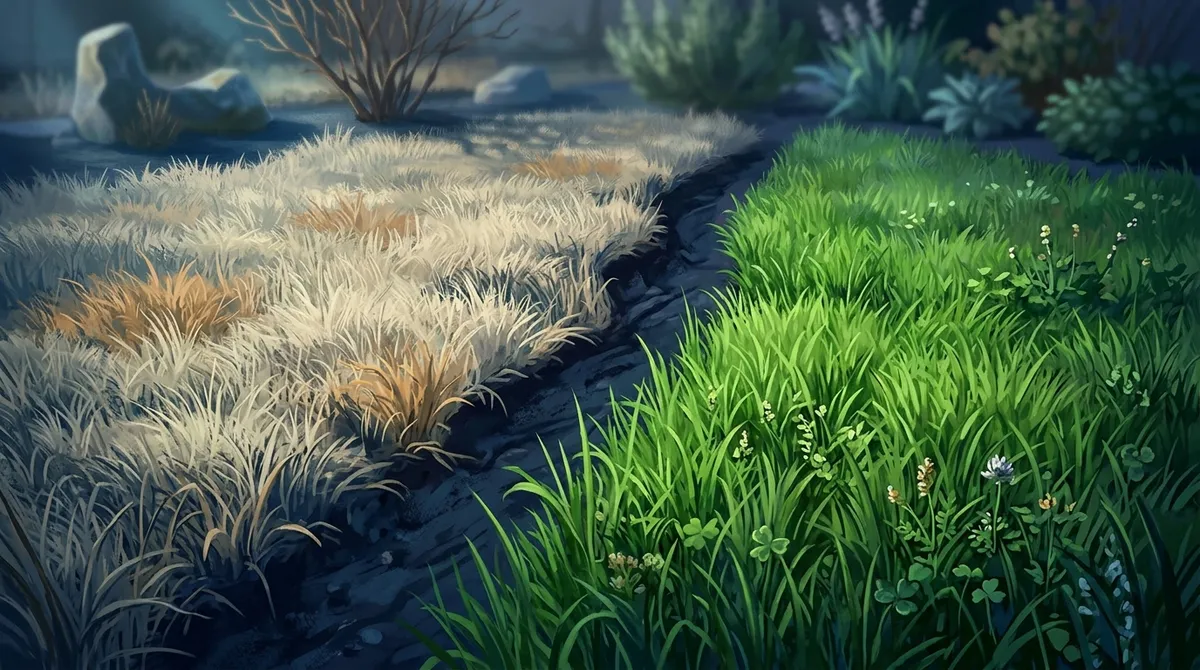
Dormant grass is grass that has temporarily stopped growing. It does this to survive stress — usually from cold temperatures or drought. Think of it like your lawn taking a long nap. The roots stay alive underground, but the blades stop producing green chlorophyll. That’s why your yard can look tan or brown during certain times of the year.
In Bloomingdale and surrounding areas, warm-season grasses like St. Augustine and Zoysia are the most common. These grasses go dormant when soil temperatures drop below about 55°F. According to the University of Florida IFAS Extension, understanding your grass type is key to proper seasonal lawn care.
How to Tell Dormant Grass from Dead Grass
Here’s a quick way to check. Pull a few grass blades gently from the ground. If the roots hold firm and look white or light-colored, your grass is dormant. If the roots pull out easily and look dark or mushy, the grass may be dead in that spot.
Another simple test: tug on a patch of brown grass. Dormant grass resists. Dead grass comes out with very little effort. Knowing this difference helps you avoid unnecessary panic — and unnecessary spending on sod or repairs.

15 Dormant Grass Tips for a Healthier Lawn
1. Stop Mowing as Often
When your grass goes dormant, growth nearly stops. You don’t need to mow as frequently. Cutting dormant grass too short stresses the roots and makes it harder for your lawn to recover in spring. If you need help managing your mowing schedule, check out our Lawn Maintenance services for expert guidance.
2. Don’t Stop Watering Completely
Dormant grass still needs a little water to survive. About half an inch every two to three weeks is usually enough during cooler months. Too much water during dormancy can cause fungal issues. Too little can permanently damage the roots.
3. Keep Foot Traffic Light
Dormant grass is fragile. Walking across it repeatedly can damage the blades and compact the soil. Try to limit foot traffic on dormant areas. This is especially important for families with kids and pets who love to run outside!
4. Avoid Applying Fertilizer
This is a big one. Do not fertilize dormant grass. The roots can’t absorb nutrients when the grass is resting. Fertilizing during dormancy can actually burn your lawn or encourage weeds to grow instead. Save your fertilizer for when the grass wakes up in spring. And remember, All Trusted Lawn Care can connect you with trusted local partners who specialize in fertilization services.
5. Clear Away Leaves and Debris
Fallen leaves and debris sitting on dormant grass can block sunlight and trap moisture. This creates the perfect environment for lawn disease and mold. Regular Leaf Clean-up is a simple step that makes a big difference. Don’t let your lawn get smothered under a blanket of leaves!
6. Be Careful with Weed Control
Weeds can still grow while your grass is dormant. Winter weeds like chickweed and annual bluegrass love cool weather. Pull them by hand when you spot them. A healthy, dense lawn that wakes up strong in spring is your best long-term defense against weeds.
7. Avoid Heavy Equipment on the Lawn
Parking vehicles or placing heavy objects on dormant grass causes serious soil compaction. Compacted soil makes it harder for roots to breathe and grow back in spring. Keep the lawn clear of anything heavy during the dormant season.
8. Do a Property Cleanup Before Dormancy Ends
As late winter winds down, it’s the perfect time for a full Property Clean-up. Remove sticks, debris, and anything that may have accumulated over the cooler months. Starting the spring growing season with a clean yard gives your grass the best chance to thrive.
9. Check Your Irrigation System
Before dormancy ends and your grass starts growing again, inspect your sprinkler system. Look for broken heads or leaks. Proper irrigation is essential for helping dormant grass wake up healthy. Adjust run times to match the changing season. You can read more about watering best practices in our article on Best Time to Water Lawn for a Lush Florida Yard.
10. Plan for Sod Repairs in Spring
Sometimes dormant grass reveals patches that are truly dead. These bare spots won’t recover on their own. The good news? Spring is the ideal time for Sod Installation. Fresh sod establishes quickly when soil temperatures start rising. Planning ahead now means a lush lawn by summer.
11. Add Mulch Around Landscape Beds
While your grass rests, take care of the surrounding landscape. Fresh Mulch Installation around flower beds and trees helps retain soil moisture, regulate temperature, and keep weeds at bay. It also gives your yard a polished, well-cared-for look even when the grass is brown. Learn more about what mulch installation does for your yard.
12. Resist the Urge to Overseed Warm-Season Grass
In Florida, overseeding warm-season grass like St. Augustine with ryegrass is not always recommended. It can create competition for resources when your main grass tries to wake up. Talk to a local lawn professional before attempting overseeding in Bloomingdale’s climate.
13. Schedule a Lawn Assessment for Early Spring
Don’t wait until summer to find out your lawn has problems. Book a lawn checkup as spring approaches. A professional can spot early signs of disease, pest damage, or bare patches. Early action means faster recovery. You can get in touch with our team to set up a free estimate.
14. Keep Lawn Edges Clean
Even during dormancy, neat lawn edges make a big visual difference. Tidy borders between your grass and driveway or sidewalk keep the property looking well-maintained. This is especially important for small businesses and commercial properties looking to maintain strong curb appeal year-round. Explore our Landscape Design options for a truly polished look.
15. Know When Dormancy Ends
In Bloomingdale, most warm-season grasses begin coming out of dormancy when soil temperatures consistently reach 65°F or above. This typically happens in late February to March. Watch for new green growth at the base of the grass blades. That’s your cue to resume normal lawn care routines like regular mowing and watering. Check our guide on how to keep your lawn looking great all year long for seasonal tips.

Dormant Grass Care: Quick Reference Table
| Task | During Dormancy | As Grass Wakes Up |
|---|---|---|
| Mowing | Reduce frequency | Resume regular schedule |
| Watering | ½ inch every 2-3 weeks | Increase to regular schedule |
| Fertilizing | Avoid completely | Apply when soil temp hits 65°F |
| Foot Traffic | Minimize | Normal use is fine |
| Leaf Cleanup | Keep up with it | Clear before new growth starts |
| Sod Repairs | Plan and assess | Install as temps rise |
Common Mistakes Homeowners Make with Dormant Grass
Here are the most frequent errors people make during lawn dormancy. Avoid these, and your lawn will thank you!
- Assuming brown means dead — Dormant grass is alive and will return with proper care.
- Overwatering during dormancy — Too much water encourages fungus and root rot.
- Mowing too short — Scalping dormant grass removes the protective layer that insulates roots.
- Applying fertilizer too early — Nutrients applied before green-up can be wasted or cause damage.
- Ignoring debris buildup — Leaves and clippings left on dormant grass block sunlight and promote disease.
- Skipping a spring lawn assessment — Problems found early are much easier and cheaper to fix.
Signs Your Dormant Grass Is Healthy vs. Struggling
It helps to know what a healthy dormant lawn looks like compared to one that needs attention. Here’s a simple breakdown:
| Healthy Dormant Grass | Struggling or Damaged Grass |
|---|---|
| Uniform tan or golden-brown color | Dark brown or gray patches |
| Firm roots that resist pulling | Roots that pull out easily |
| Blades feel dry but not brittle | Slimy or mushy texture |
| Consistent color across the yard | Irregular discolored patches |
| Greens up evenly in spring | Has bare spots or sparse regrowth |
Why Bloomingdale Lawns Need Extra Attention
Bloomingdale, Florida has a unique climate. While winters are mild compared to northern states, temperatures can still dip low enough to trigger dormancy in warm-season grasses. Add in the occasional dry spell and the sandy soil common to the area, and your lawn needs a little extra love during the cooler months.
Local homeowners have found that consistent, professional care before and after dormancy makes a huge difference. Whether you’re new to the neighborhood or have lived here for years, having a trusted lawn care team on your side takes the guesswork out of seasonal care. See what other homeowners are saying and visit our Google Business Profile for real reviews from real neighbors.
You can also follow us on Facebook for seasonal lawn care tips, updates, and community highlights from around Bloomingdale and the surrounding areas.
Getting Your Lawn Ready to Come Out of Dormancy
As winter winds down, start preparing your lawn for the growing season. Here’s a simple step-by-step checklist:
- Clear debris — Remove leaves, sticks, and anything sitting on the lawn.
- Inspect for bare spots — Mark any areas that look dead or thin for sod repair.
- Check irrigation — Test your sprinkler system and repair any broken heads.
- Schedule a professional assessment — Have a lawn expert evaluate overall health before the growing season starts.
- Resume mowing — Once you see consistent new green growth, it’s time to start mowing again at the proper height.
For professional sod installation needs or a full spring lawn assessment, the team at All Trusted Lawn Care is ready to help. We proudly serve Valrico, Bloomingdale, Fishhawk, Boyette, East Brandon, and Riverview.
If you’re curious about what healthy lawn care looks like throughout the year, check out our blog on year-round lawn care practices for practical, easy-to-follow seasonal advice. And for a deeper look at Florida-specific grass care, the UF/IFAS Horticulture department is a fantastic resource with science-backed guidance.
Understanding how a lawn mower setting impacts dormant grass height is also worth reviewing before you fire up your mower at the start of the growing season. Cutting too low too soon can set your lawn back significantly.
Conclusion: Don’t Stress About Dormant Grass
A dormant lawn is not a failing lawn. It’s a lawn doing exactly what it’s supposed to do — resting, conserving energy, and preparing to come back better than ever. The key is knowing what to do (and what NOT to do) while it sleeps. Follow these 15 tips, and you’ll set your Bloomingdale yard up for a gorgeous, green spring and summer.
Ready for professional help? Whether you need a property cleanup, leaf removal, sod installation, or just a reliable mowing team, All Trusted Lawn Care has you covered. Reach out to us today for a free estimate, or give us a call at 813-833-1882 — we’d love to help your lawn look its absolute best all year long!
FAQs
Q: Is dormant grass dead or just resting?
A: Great news — dormant grass is very much alive! It’s simply in a rest period triggered by cooler temperatures or drought. You’ll know it’s dormant (not dead) if the roots hold firm when you gently tug on the blades.
Q: Should I water my lawn when the grass is dormant?
A: Yes, but just a little! Dormant grass still needs about half an inch of water every two to three weeks to keep the roots from drying out completely. Too much water, though, can cause fungal problems — so keep it light and steady.
Q: When will my dormant grass in Bloomingdale turn green again?
A: Most warm-season grasses in Bloomingdale, FL start to green up when soil temperatures consistently reach around 65°F — usually sometime in late February or March. Keep an eye on the base of the grass blades for those first signs of new green growth!
Q: Can I mow my dormant lawn?
A: You can, but you should mow much less frequently and avoid cutting it too short. Dormant grass grows very slowly, so it doesn’t need much trimming. Scalping a dormant lawn removes the protective layer that helps insulate the roots during cool weather.
Q: What should I do to prepare my lawn to come out of dormancy?
A: Start by clearing leaves and debris, checking your irrigation system, and inspecting for bare or dead patches. Then schedule a professional lawn assessment so any problem areas can be addressed before the growing season kicks in. Early prep means a faster, healthier green-up!