Key Takeaways
-
Regular mowing triggers grass to produce more lateral shoots called tillers or stolons, which spread outward and fill thin spots, creating a thick carpet-like appearance when done correctly.
-
Follow the one-third rule strictly: never cut more than one-third of the grass blade height in a single mowing, as cutting more stresses the plant and reduces photosynthesis capacity.
-
Mow weekly during growing season (spring/summer) for most Bloomingdale lawns, with proper heights: St. Augustine 3.5-4 inches, Zoysia 1.5-2.5 inches, Bermuda 0.5-1.5 inches.
-
Avoid common mistakes that thin grass: mowing too low, using dull blades that tear instead of cut cleanly, mowing wet grass, and always mowing in the same direction which compacts soil.
-
Combine frequent mowing with deep, infrequent watering, early morning irrigation, leaving clippings on the lawn for nutrients, and alternating mowing patterns to maximize thickness.
-
Professional lawn maintenance services ensure consistent mowing at correct heights and frequencies year-round, with typical costs of $180-220 monthly for reliable thick turf results.
If you’ve ever looked at your neighbor’s lawn and wondered how they got such thick, lush grass, the answer might surprise you. Does mowing often thicken grass? Yes — and it’s one of the most effective lawn care habits you can adopt. Regular mowing does more than just keep your yard looking tidy. It actually encourages grass to grow denser and healthier over time. Think of it like getting a haircut — the more you trim, the fuller and stronger the growth becomes. Whether you’re a busy homeowner in Bloomingdale or a new homeowner just getting started, understanding how mowing frequency affects grass thickness can completely transform your yard. In this guide, we’ll walk you through exactly how regular mowing thickens grass, when to mow, how much to cut, and the smart habits that lead to a genuinely beautiful lawn all year long.

Does Mowing Often Actually Thicken Grass?
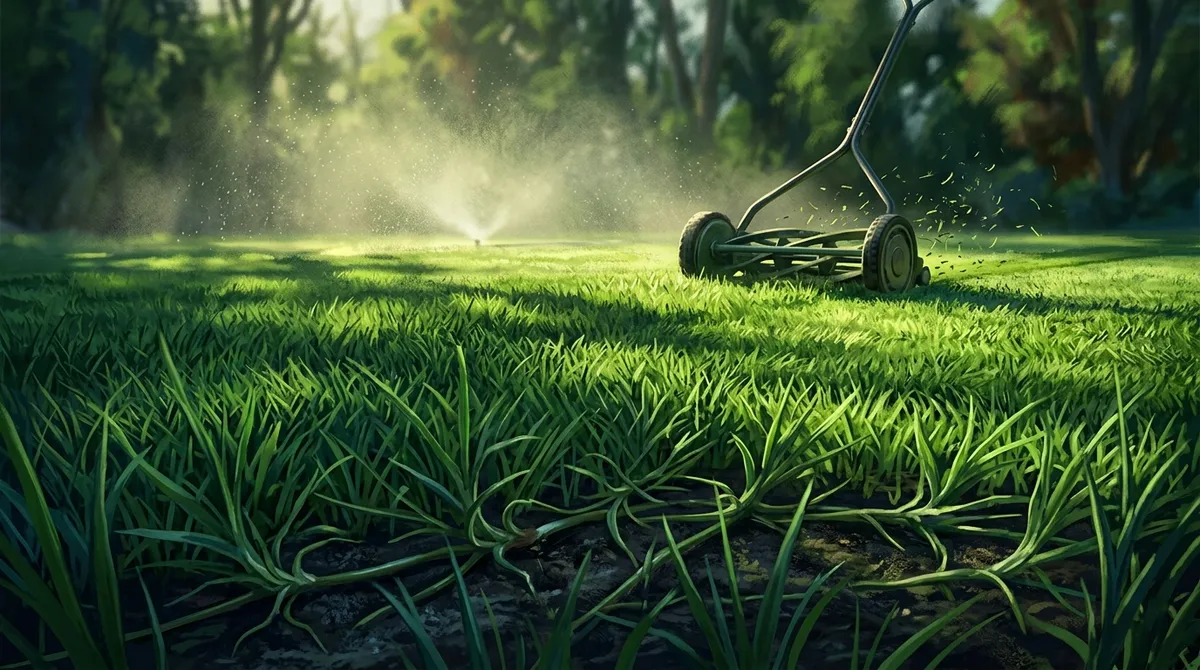
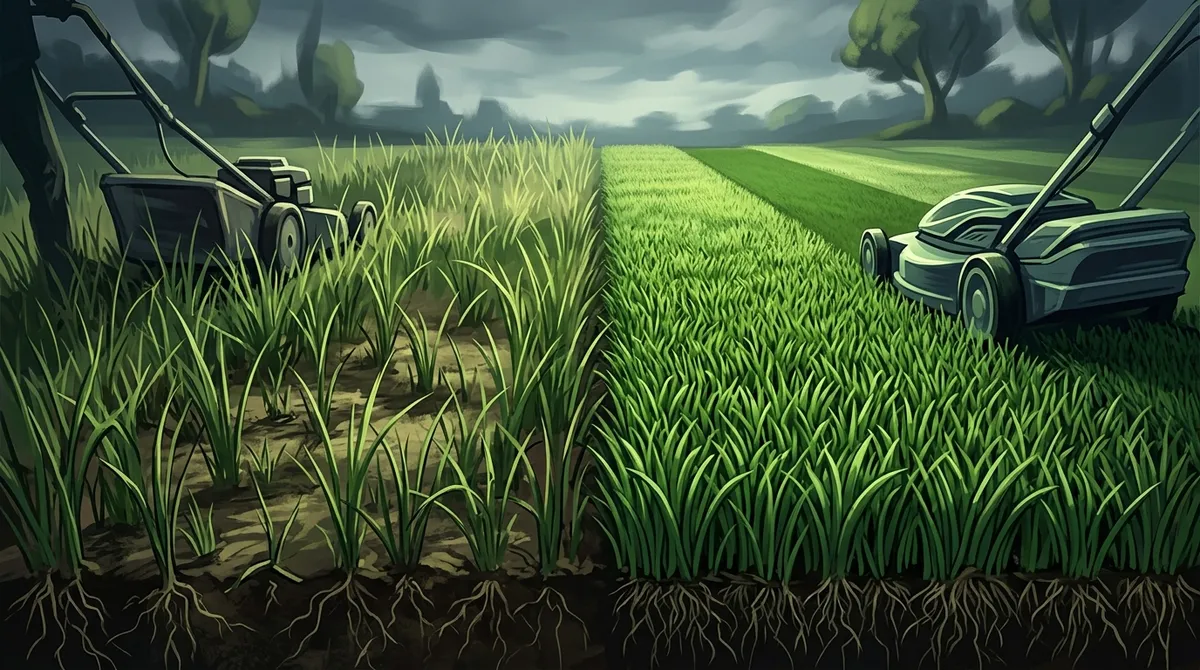
The short answer is yes — but only when done correctly. Regular mowing of grass triggers a natural growth response in most grass types. When you cut the top of a grass blade, the plant shifts its energy downward. It starts producing more lateral shoots, called tillers or stolons, depending on the grass type. These new shoots spread outward and fill in thin spots, giving your lawn that thick, carpet-like appearance everyone loves.
It’s similar to how pruning a bush encourages bushier growth. The science behind it is straightforward. Grass plants respond to being cut by pushing out new growth from the base. Over time, this creates a denser turf that resists weeds, handles foot traffic better, and looks noticeably fuller. You can learn more about how lawn mowing impacts your yard’s health beyond just appearances.
How Mowing Frequency Affects Grass Density
Mowing frequency is one of the biggest factors in determining how thick your grass grows. Here’s why it matters so much:
- Frequent mowing promotes lateral spreading — Grass shoots out sideways when its upward growth is regularly trimmed
- Less stress on the plant — Cutting small amounts often is far gentler than scalping overgrown grass
- Better light penetration — A well-maintained lawn allows sunlight to reach lower blades
- Fewer weeds — Thick grass chokes out weeds naturally, reducing competition for nutrients
- Healthier root systems — Regular cutting encourages deeper, stronger roots over time
For most lawns in the Bloomingdale area, mowing once a week during the growing season is ideal. During cooler months, every two weeks may be sufficient. The key is consistency. Weekly lawn mowing service keeps your grass in a constant state of healthy growth rather than allowing it to get overgrown and stressed.

The 1/3 Rule: The Golden Rule of Mowing
One of the most important principles in lawn care is the one-third rule. This rule says you should never cut more than one-third of the grass blade’s height in a single mowing. Following this rule is essential for achieving thick, healthy turf.
Here’s how it works in practice:
- Measure your current grass height — Know how tall your grass is before you mow
- Set your mower to the right height — Only remove the top third of the blade
- Mow before grass gets too tall — This keeps you within the one-third limit every time
- Adjust for seasonal growth — Grass grows faster in spring and summer, so mow more often
Cutting more than one-third at once stresses the plant severely. It removes too much leaf area at once, reducing the grass’s ability to photosynthesize. This can lead to thin, patchy, and discolored turf — the exact opposite of what you want. You can explore how to use the 1/3 rule for a healthier, greener lawn in more detail.

Best Mowing Heights for Common Grass Types in Bloomingdale
The right mowing height depends on the type of grass you have. Here in Bloomingdale, Florida, St. Augustine and Zoysia are the most common grass types. Getting the height right is just as important as mowing frequency when it comes to thickening your lawn.
| Grass Type | Ideal Mowing Height | Mowing Frequency (Growing Season) |
|---|---|---|
| St. Augustine | 3.5 – 4 inches | Every 7–10 days |
| Zoysia | 1.5 – 2.5 inches | Every 7–14 days |
| Bermuda | 0.5 – 1.5 inches | Every 5–7 days |
| Bahia | 3 – 4 inches | Every 7–14 days |
Mowing St. Augustine too short is one of the most common mistakes homeowners make. It thins out the turf and makes it vulnerable to weeds and disease. Check out the best mowing height for St. Augustine grass to make sure you’re getting it right every time.
Common Mowing Mistakes That Thin Your Grass
If you’re mowing often but still not seeing thicker grass, you might be making one of these common mistakes. Avoiding them can make a huge difference in your results.
- Mowing too low — Scalping the lawn removes too much green tissue and weakens the plant
- Using a dull mower blade — Dull blades tear grass instead of cutting it cleanly, leading to brown tips and disease
- Mowing wet grass — Wet clippings clump together and block sunlight from reaching the soil
- Mowing in the same direction every time — This compacts the soil and trains grass to lean one way
- Mowing too infrequently — Letting grass get too tall forces you to cut too much at once
If you want to avoid the pitfalls that thin out turf, take a look at 11 lawn mowing mistakes that damage your grass. Recognizing these habits early can save your lawn a lot of stress.
Using a well-maintained lawn mower with sharp blades is one of the simplest ways to improve your mowing results. Sharp blades make clean cuts that heal quickly and keep grass looking green and healthy.
Step-by-Step Guide to Mowing for Thicker Grass
Ready to start mowing smarter? Follow these steps consistently and you’ll start to see noticeably thicker, denser grass within a few weeks.
- Check your grass type and set the correct mowing height — Use the table above as your guide for Bloomingdale grass varieties
- Sharpen your mower blades regularly — Aim for blade sharpening every 20–25 hours of mowing use
- Mow when grass is dry — Wait until the morning dew has dried before starting
- Follow the one-third rule every single time — This is the most important habit for thick turf
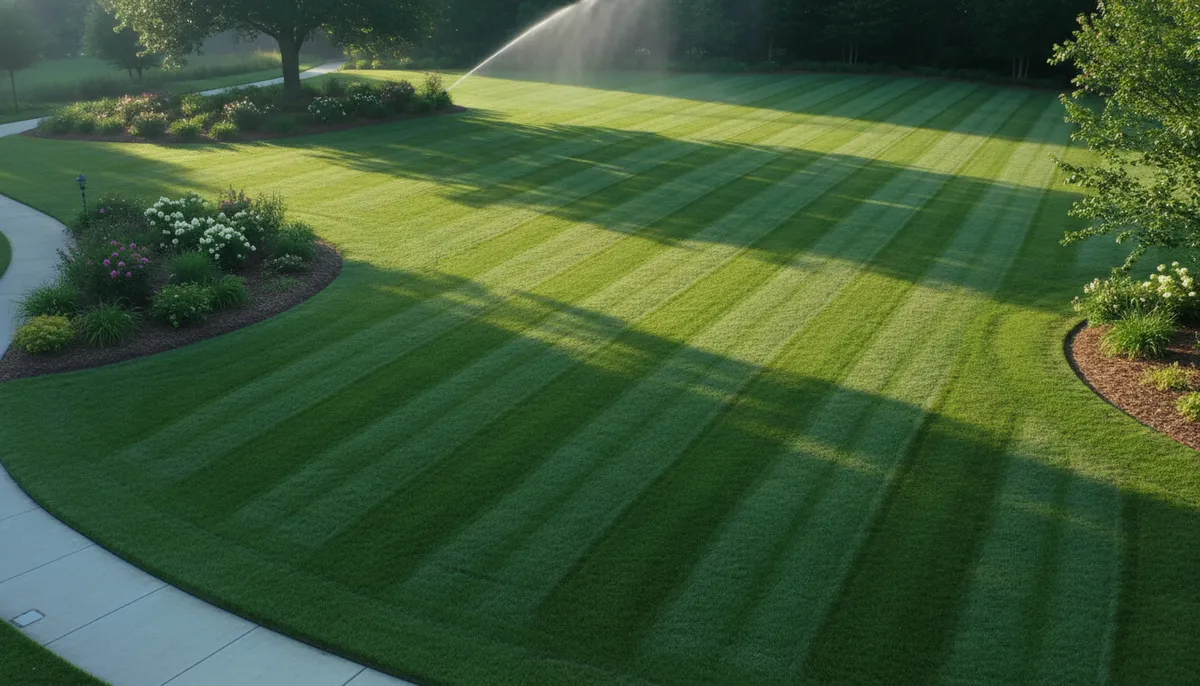
- Alternate your mowing pattern — Change direction each time to prevent soil compaction and encourage upright growth
- Leave grass clippings on the lawn — They decompose quickly and return nutrients to the soil
- Mow consistently throughout the growing season — Weekly mowing during spring and summer is the sweet spot for most Bloomingdale lawns
If you’re curious about whether leaving clippings behind actually helps, find out whether leaving grass clippings on the lawn is a good idea. Spoiler: in most cases, it absolutely is.
What Else Supports Thick Grass Growth Alongside Mowing?
Mowing often is a powerful tool for thickening grass — but it works best when combined with other good lawn care habits. Think of mowing as the engine and these other practices as the fuel that keeps everything running smoothly.
- Watering correctly — Deep, infrequent watering encourages roots to grow down, not stay shallow
- Watering at the right time — Early morning watering reduces evaporation and fungal risk
- Mulching around beds — Proper mulch installation keeps moisture in and weeds out around your lawn’s borders
- Regular property cleanup — Removing debris and leaves keeps sunlight reaching the grass
- Professional sod installation — For thin or bare patches, fresh sod provides an instant thick base to build on
You can check the best time to water grass for a lush green lawn to make sure your watering schedule complements your mowing routine. These two habits together create the strongest foundation for thick turf.
While All Trusted Lawn Care focuses on mowing and lawn maintenance, we don’t provide fertilization, weed control, or aeration services. However, we’re happy to connect you with trusted local partners who specialize in those areas — because we know a truly thick lawn often needs a well-rounded approach.
When to Call a Professional for Consistent, Thick Grass
Sometimes the best thing you can do for your lawn is hand it off to someone who does this every single day. Life gets busy. Between work, family, and everything else, keeping up with a consistent mowing schedule can fall through the cracks. That’s exactly where professional lawn maintenance makes all the difference.
All Trusted Lawn Care proudly serves homeowners across Bloomingdale, Valrico, East Brandon, Fishhawk, Boyette, and Riverview. Our team understands local grass types, seasonal growth patterns, and exactly how to mow for maximum thickness and health. We show up consistently, mow at the right height, and treat your lawn like it’s our own. You can also follow us on Facebook to see our latest work and lawn care tips from the team.
For homeowners who want a reliable schedule without the hassle, our professional lawn maintenance service keeps your grass on a consistent mowing routine all season long. Monthly service packages typically range from $180 to $220 per month depending on yard size, making it an easy, affordable choice for a lawn that looks great year-round. You can read what our All Trusted Lawn Care customers are saying on Google — we think you’ll like what you find.
Not sure if professional service is right for you? Take a look at DIY lawn mowing vs. hiring a pro to help you decide what makes the most sense for your situation.
Signs Your Mowing Routine Is Working
How do you know if your frequent mowing is actually making a difference? Watch for these positive signs that your grass is responding well:
- Fewer bare or thin patches than before
- Grass feels denser and springy underfoot
- Fewer weeds popping up through the turf
- A uniform, even green color across the lawn
- Grass recovers quickly after foot traffic or rain
If you’re still seeing thin spots even after consistent mowing, it might be time to consider professional sod installation to fill in damaged areas and give your lawn a fresh, thick start. You can also explore spring lawn care tips for a lush green yard in 2026 to build on your mowing momentum with a complete seasonal care plan.
Conclusion: Mow More, Grow Thicker
The answer to the question — does mowing often thicken grass — is a clear and enthusiastic yes. Regular mowing, done at the right height and frequency, signals your grass to spread laterally and grow denser. It’s one of the easiest and most impactful things you can do for your lawn’s health and appearance. The key is staying consistent, following the one-third rule, and pairing mowing with smart watering and yard care habits.
Whether you’re a busy parent in Bloomingdale, a new homeowner getting your yard established, or a senior looking for reliable help — a great-looking lawn doesn’t have to be complicated. It starts with regular mowing. If you’d like expert help keeping your lawn on the right schedule, we’re here for you. Reach out to our friendly team today or give us a call at 813-833-1882 to get started with a free estimate. Your thicker, greener lawn is closer than you think!
FAQs
Q: Does mowing often thicken grass for all grass types?
A: Yes, most warm-season grass types like St. Augustine, Zoysia, and Bermuda respond well to frequent mowing by spreading laterally and growing denser. The key is mowing at the correct height for your specific grass type — cutting too low can actually thin the turf rather than thicken it!
Q: How often should I mow to get thicker grass in Bloomingdale, FL?
A: During the growing season — typically spring through early fall here in Bloomingdale — mowing once every 7 to 10 days is ideal for most grass types. Consistent weekly mowing keeps your grass in a healthy growth cycle that promotes lateral spreading and a denser, fuller lawn.
Q: Can I mow too often and damage my grass?
A: Mowing very frequently isn’t the problem — mowing too short is! As long as you follow the one-third rule and never remove more than a third of the blade at once, frequent mowing will encourage thicker growth rather than damage it. Keep your mower set at the right height and your lawn will love the attention.
Q: Why is my grass still thin even though I mow regularly?
A: Thin grass despite regular mowing often comes down to mowing height, dull blades, or watering habits. Cutting too low, using a dull mower, or watering too shallowly can all prevent grass from thickening. In some cases, bare or thin patches may need fresh sod installation to fully recover.
Q: Should I hire a professional lawn service to help thicken my grass?
A: Absolutely — a professional lawn care team ensures your grass is mowed at the right height, on the right schedule, with the right equipment every single time. Consistency is the biggest factor in achieving thick turf, and a reliable lawn service takes all the guesswork and effort off your plate!