Key Takeaways
-
Raise your mower blade height to 3.5-4 inches for St. Augustine grass and follow the 1/3 rule—never remove more than one-third of the grass blade in a single session to prevent scalping and uneven patches.
-
Sharpen mower blades at least once per season or every 25 hours of use, as dull blades tear grass instead of cutting cleanly, creating rough and patchy-looking results.
-
Use topdressing with a sand-and-soil mix to gradually fill low spots by applying thin half-inch layers every few weeks until the lawn surface is level.
-
Rotate your mowing pattern weekly (horizontal, vertical, or diagonal) to prevent ruts, grass leaning, and uneven compaction in tire tracks.
-
Check that your mower deck is level by measuring blade height at all four corners on a flat surface—uneven decks cause visible striping across the entire lawn.
-
Always mow dry grass and avoid cutting more than one-third of the blade at once; scalped areas need 2-3 weeks recovery time with consistent watering and no foot traffic.
You step outside on a Saturday morning, coffee in hand, ready to enjoy your yard — and then you notice it. Bumpy patches. Scalped areas. Strips of grass that look shorter than everything else. If you’ve ever wondered how do I fix uneven spots in my lawn from mowing, you’re definitely not alone. This is one of the most common frustrations homeowners in Bloomingdale, Florida face, especially during the warm growing season when grass takes off fast.
The good news? Most uneven mowing spots are totally fixable. With the right approach, your lawn can look smooth, lush, and consistent again. Whether you’re a busy parent who barely has time to mow, a new homeowner still learning the ropes, or a senior who just wants a tidy yard without the stress — this guide is for you. Let’s walk through exactly what causes those uneven patches and how to get your lawn back on track.
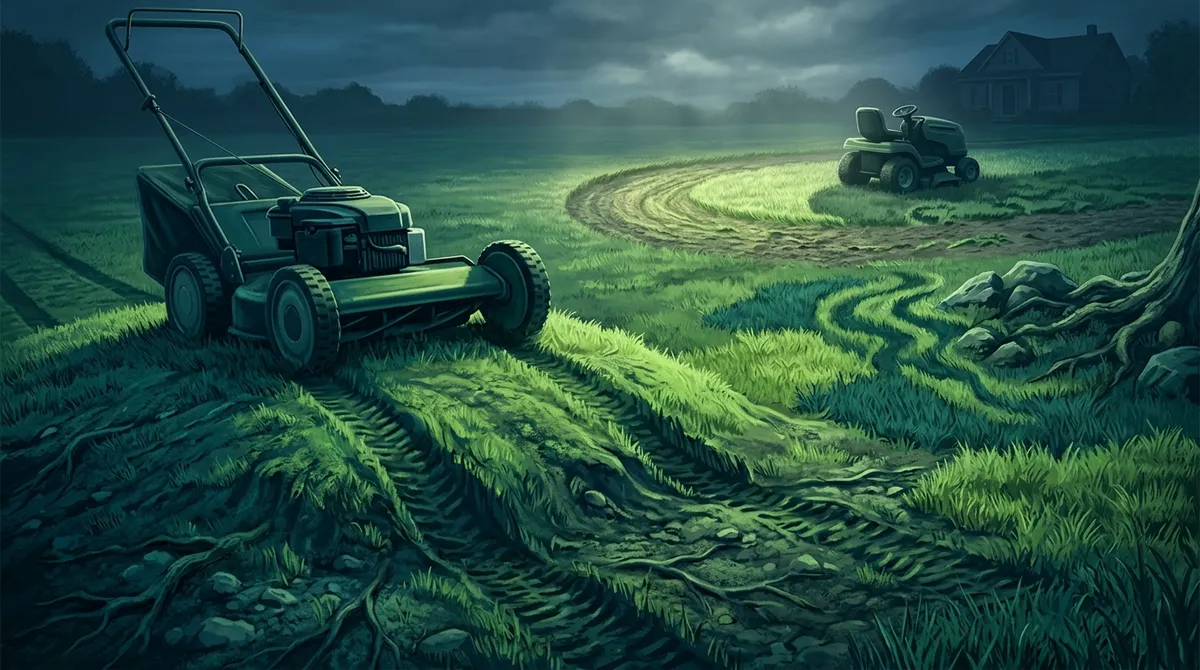
What Causes Uneven Spots After Mowing?
Before you fix the problem, it helps to understand why it happens in the first place. Uneven mowing spots can come from a few different sources. Knowing the cause makes the fix much easier and faster.
Here are the most common culprits:
- Scalping: Cutting the grass too short in certain areas, often on slopes or bumps
- Uneven ground: Low spots and high spots in the soil create inconsistent cutting heights
- Dull mower blades: Blades that tear grass instead of cutting it cleanly cause rough, uneven patches
- Mowing wet grass: Wet blades clump and fall unevenly, causing patchy results
- Varying grass growth rates: Some areas grow faster due to different sun, shade, or moisture levels
- Mower deck issues: A mower deck that isn’t level will cut unevenly across the entire lawn
For a deeper dive into common mistakes that create these issues, check out this helpful guide on 11 lawn mowing mistakes that damage your grass. Understanding what went wrong is the first step to making it right.

6 Ways to Fix Uneven Spots in Your Lawn from Mowing
1. Raise Your Mowing Height
One of the simplest fixes is to raise your mower blade. Many homeowners cut their grass too short, which leads to scalped, bare-looking patches — especially on any slight rise in the ground. A higher cut gives your lawn a more even appearance overall.
For St. Augustine grass, which is very common in Bloomingdale, the ideal mowing height is between 3.5 and 4 inches. Learn more about the best mowing height for St. Augustine grass to avoid scalping and uneven spots.
Here’s a simple rule to follow:
- Set your mower deck to the highest setting first
- Mow once and observe where uneven patches appear
- Gradually lower by half an inch if needed — never remove more than one-third of the blade at once
The 1/3 rule for mowing is your best friend here. Never cut more than a third of the grass blade in a single session. This keeps stress low and the lawn looking smooth.
2. Fill in Low Spots with Topdressing
If your lawn has dips or sunken areas, the mower blade will skip or cut unevenly as it passes over those spots. The fix is topdressing — adding a thin layer of material to raise the low areas gradually over time.
Here’s how to topdress a low spot:
- Mix equal parts sand and topsoil (or use a quality topdressing mix)
- Spread a thin layer — no more than half an inch — over the low area
- Rake it gently so the existing grass blades poke through
- Water lightly and allow the grass to grow up through the mix
- Repeat every few weeks until the spot is level
This process takes patience, but it’s very effective. For deep low spots or severely damaged areas, you may want to consider professional sod installation to replace the area entirely with fresh, level grass.
3. Sharpen or Replace Your Mower Blades
A dull lawn mower blade doesn’t cut grass — it tears it. This tearing creates ragged, uneven tips that make the lawn look patchy and inconsistent. It also stresses the grass and makes it more vulnerable to disease.
Signs your blades need attention:
- Grass tips look brown or shredded after mowing
- The lawn looks rough and uneven even at a consistent height
- You notice the mower is struggling or vibrating more than usual
- Streaks of taller grass remain after a full pass
Blades should be sharpened at least once per season — ideally every 25 hours of use. If you’re not comfortable doing this yourself, a local equipment shop can sharpen them quickly and affordably. Sharp blades make a huge difference in how even and clean your lawn looks after every cut.
4. Change Your Mowing Pattern
Mowing in the same direction every single time can cause ruts and cause the grass to lean one way. Over time, this creates an uneven surface and makes some areas look shorter or patchy compared to others.
Try rotating your mowing pattern each week. Here are a few options to alternate:
- Mow horizontally (east to west) one week
- Mow vertically (north to south) the next week
- Try diagonal patterns every few weeks
- Use overlapping passes so you don’t miss thin strips between rows
Changing direction encourages grass to grow more upright and evenly. It also prevents compaction in the same tire tracks week after week. This is a simple habit that makes a noticeable difference over time. You can learn more about using frequent mowing to get thicker, fuller grass with better patterns.
5. Let Scalped Areas Recover
If you’ve scalped part of your lawn — meaning you cut it too short and exposed bare soil or brown stems — don’t panic. Grass is resilient, and most scalped areas can recover with the right care.
Here’s what to do after scalping:
- Stop mowing that area for at least 2 to 3 weeks
- Water the area consistently — about 1 inch per week
- Avoid heavy foot traffic on the recovering patch
- Once growth returns, raise your mowing height before cutting again
If the area doesn’t recover within a few weeks, it may need fresh sod to fill in the gap. Professional sod installation can quickly restore a bare patch to a lush, even surface that blends seamlessly with the rest of your lawn.
Wondering whether putting grass clippings on bare spots helps grass grow? It’s worth a read if you’re dealing with thin or patchy recovery areas.
6. Fix Your Mower Deck Level
Sometimes the uneven cut has nothing to do with your lawn at all — it’s your mower. If the deck isn’t sitting level, one side will cut higher than the other, creating visible striping or inconsistency across the whole yard.
Here’s how to check and fix your mower deck:
- Park the mower on a flat, hard surface (like a driveway)
- Measure from the ground to the blade tip on each side
- All four corners should be within a quarter inch of each other
- Adjust the deck height settings until it’s balanced
- Check the owner’s manual for your specific mower model
This simple maintenance check takes about 15 minutes but can completely transform how evenly your mower cuts. If you’re not sure how to do it yourself, any small engine repair shop can do a quick inspection.
When to Call in the Professionals
Sometimes the uneven spots in your lawn go beyond what a simple DIY fix can handle. Maybe the ground itself is severely uneven, or large areas have been scalped repeatedly, or your grass is just not bouncing back no matter what you try. In those cases, calling a professional lawn care team is the smartest move.
Professional lawn mowing services use commercial-grade equipment with properly calibrated, sharp blades that cut consistently every time. They also know how to adjust their patterns and techniques based on your specific lawn type and terrain. The result is a noticeably more even, polished appearance after every visit.
Here’s a quick comparison of DIY versus professional lawn mowing:
| Factor | DIY Mowing | Professional Mowing |
|---|---|---|
| Equipment quality | Consumer-grade mower | Commercial-grade mower |
| Blade sharpness | Variable | Maintained regularly |
| Consistency | Depends on time and skill | Consistent every visit |
| Pattern technique | Often the same each time | Rotated for even results |
| Time required | 1–3 hours per session | Zero time from you |
| Cost | Equipment + fuel + time | Avg. $40–$100 per cut |
For busy homeowners and families in Bloomingdale, having a reliable crew handle the mowing means you never have to worry about uneven spots, scalping, or missed areas. Comparing DIY lawn mowing vs. hiring a pro can help you decide what’s right for your situation.
All Trusted Lawn Care’s professional lawn maintenance services are designed specifically for homeowners who want consistent, beautiful results without the hassle. Our team serves Bloomingdale, Valrico, Fishhawk, East Brandon, Boyette, and Riverview with care and reliability you can count on.
Tips to Prevent Uneven Spots Going Forward
Once you’ve fixed the uneven patches in your lawn, here are some good habits to keep them from coming back:
- Mow when the grass is dry — never after a rain
- Stick to a consistent mowing schedule so you never let it get too tall
- Always follow the 1/3 rule — never remove more than a third of the blade at once
- Sharpen mower blades at least once per season
- Walk the lawn before mowing to spot bumps, rocks, or debris
- Rotate your mowing pattern every week
Consistent mowing schedules make a big difference. Read more about why regular mowing of grass is so important for your lawn to understand how frequency affects overall lawn health and evenness.
You can also follow All Trusted Lawn Care on Facebook for seasonal lawn care tips, updates, and community advice tailored to Florida yards.
Still Dealing with Stubborn Uneven Areas?
If you’ve tried these fixes and your lawn still has stubborn high or low spots, it may be time for a more comprehensive solution. Severely uneven terrain sometimes needs grading or even a full sod installation to get truly smooth results. This is especially true for new homeowners in Bloomingdale who are working with a lawn that wasn’t well-maintained before they moved in.
Check out what sod installation is and why your lawn might need it to explore whether fresh sod could be the best solution for your situation. Also, don’t miss 13 common lawn care problems and how to fix them for a broader look at what might be going on with your yard.
You can also read what our All Trusted Lawn Care customers are saying on Google to see how we’ve helped Bloomingdale and surrounding area homeowners achieve the smooth, even lawns they’ve always wanted.
Additionally, the U.S. Environmental Protection Agency’s guidance on lawn care offers helpful context on sustainable mowing practices that keep your yard healthy and consistent year-round.
Conclusion
Fixing uneven spots in your lawn from mowing doesn’t have to be overwhelming. Whether it’s raising your mower height, topdressing low areas, sharpening your blades, or simply changing your mowing pattern — small changes make a big difference. The key is consistency, patience, and using the right technique for the right problem.
If you’re in Bloomingdale, Valrico, Fishhawk, or the surrounding areas and you’d rather leave the hard work to the experts, All Trusted Lawn Care is here to help. Our team delivers smooth, even, professional results every single visit — so you can spend your weekends doing what you love instead of chasing uneven patches around the yard.
Ready to get started? Reach out to our team today for a free estimate, or give us a call at 813-833-1882 and let’s get your lawn looking its absolute best!
FAQs
Q: How do I fix uneven spots in my lawn from mowing if the grass is already scalped?
A: Great news — scalped areas can usually recover on their own! Stop mowing the affected area for 2 to 3 weeks, water consistently, and avoid foot traffic. If the grass doesn’t bounce back, fresh sod is a reliable and fast solution to fill in bare patches.
Q: How often should I sharpen my mower blades to avoid uneven cuts?
A: You should sharpen your mower blades at least once per mowing season, or after every 25 hours of use. Dull blades tear grass instead of cutting it cleanly, which leads to rough, patchy-looking results that are totally avoidable with regular blade maintenance.
Q: Can mowing wet grass cause uneven spots in my lawn?
A: Yes, absolutely! Wet grass tends to clump and bend, which means the mower doesn’t cut evenly across the surface. Always wait until the grass is dry before mowing — your lawn will thank you with a much cleaner, more consistent finish.
Q: What is topdressing and will it fix low spots in my lawn?
A: Topdressing is the process of adding a thin layer of a sand-and-soil mix to low areas in your lawn to gradually level them out. It works really well for minor dips and uneven areas — just apply a half-inch layer at a time, rake it gently, and repeat as needed until the surface is smooth.
Q: Should I hire a professional lawn care service to fix my uneven lawn?
A: If DIY fixes aren’t getting you the results you want, a professional lawn care team is a fantastic option! Pros use commercial-grade equipment with sharp, calibrated blades and proper mowing techniques that produce a consistently even cut — saving you time, stress, and frustration.