Key Takeaways
-
Start spring lawn care when soil temperatures consistently reach 65°F (late February/March in Riverview), as this signals St. Augustine grass breaking dormancy and ready for growth.
-
Maintain mowing height between 3.5-4 inches and never cut more than one-third of the blade at once; cutting shorter stresses grass and invites weeds.
-
Water early morning (before 10 AM) with 3/4 to 1 inch per week through deep, infrequent watering to encourage deeper roots and prevent fungal disease.
-
Use sod installation or plugs to fix bare spots in spring, as St. Augustine grass spreads through stolons, not seeds, providing full coverage in 3-4 weeks.
-
Follow a consistent weekly mowing schedule once growth accelerates and remove all winter debris to maximize sunlight exposure and prevent disease.
-
Avoid common spring mistakes: mowing too early/short, watering in evening, ignoring bare spots, and skipping cleanup—each can set back lawn recovery by weeks.
Spring is one of the most exciting times of year for Riverview homeowners. Your lawn is waking up, and St. Augustine grass is ready to explode with lush, green growth. But if you miss the early steps, you can end up with patchy turf and frustrating bare spots all season long. Whether you’re a busy parent, a new homeowner, or someone who just wants a yard to be proud of, these spring lawn growth tips for St Augustine grass in Riverview will set you up for success. Let’s dive into what your lawn actually needs right now — and how to make sure it gets it.
Why Spring Matters So Much for St. Augustine Grass
St. Augustine grass is the most popular turf in Florida — and for good reason. It loves the heat, handles humidity well, and spreads quickly once it’s happy. But spring is its launch pad. Spring lawn growth sets the tone for the entire year. Get it right, and you’ll enjoy a thick, carpet-like lawn all the way through fall.
In Riverview, spring typically brings warming soil temperatures and increasing rainfall. St. Augustine grass breaks dormancy when soil temps consistently hit around 65°F. That’s your signal to start paying attention. You can check out helpful resources from the University of Florida IFAS Extension for Florida-specific lawn guidance.

Step-by-Step Spring Lawn Care for St. Augustine in Riverview
Follow these steps in order to give your St. Augustine grass the best possible start this spring. Skipping steps or rushing can lead to slow recovery and thin turf.
- Assess your lawn’s current condition. Walk your yard and look for bare patches, thin areas, or signs of winter damage. Note where the grass looks weak or brown.
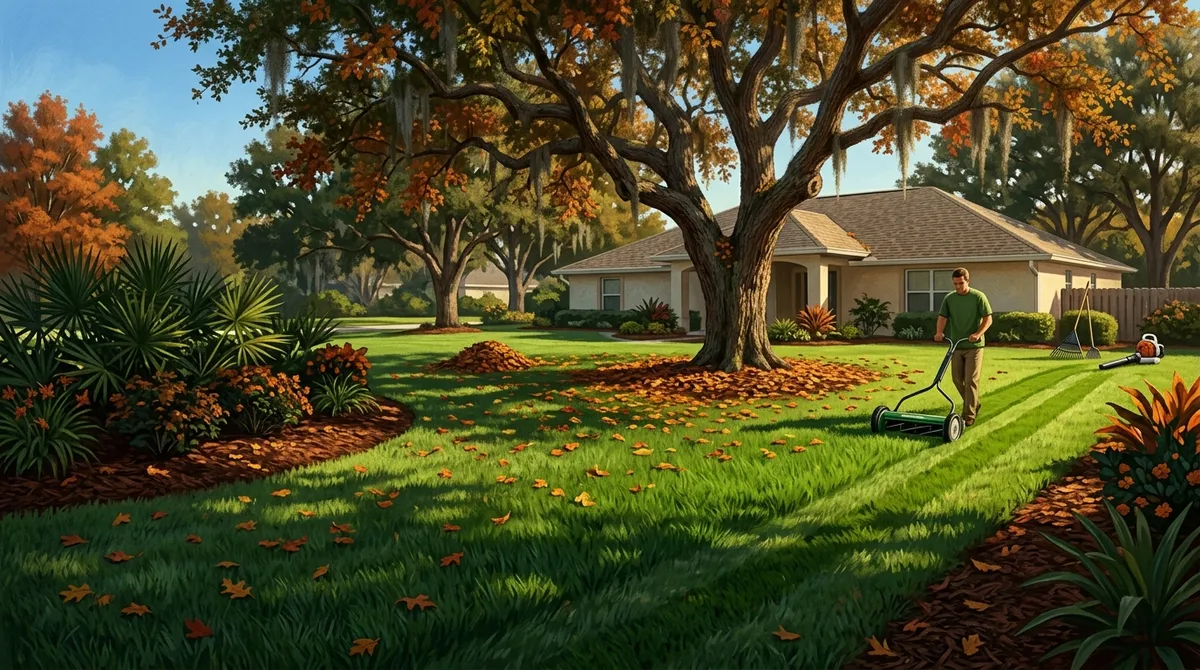
- Clear away debris. Remove dead leaves, sticks, and any thatch buildup. Debris blocks sunlight and keeps moisture trapped at the soil surface.
- Start mowing at the right time. Don’t mow too early. Wait until your St. Augustine grass shows consistent new growth before the first cut of the season.
- Adjust your mowing height. St. Augustine grass does best when kept between 3.5 and 4 inches tall. Cutting shorter stresses the grass and opens the door to weeds.
- Water deeply but less often. Spring rains help, but supplement with irrigation when needed. Deep, infrequent watering encourages deeper root growth.
- Address bare spots. If you have patches without grass, spring is the perfect time for sod installation to fill them in fast.
- Schedule consistent mowing. Once growth kicks in, regular mowing keeps the turf healthy and dense. Consistency is key.

Mowing Tips That Make a Big Difference
Mowing is about more than just making your yard look neat. The right mowing habits directly affect how thick and healthy your St. Augustine grass grows. Check out our detailed guide on the best mowing height for St. Augustine grass to get this right.
The 1/3 Rule
Never cut more than one-third of the grass blade at one time. If your lawn grew tall over winter, bring it down gradually over several mowings. Cutting too much at once shocks the plant and slows recovery. Learn more about how to use the 1/3 rule for a healthier, greener lawn.
Mowing Frequency in Spring
In early spring, mowing every two weeks may be enough. But as temperatures rise and growth speeds up, weekly mowing becomes necessary. How often should you mow in Riverview? It depends on growth rate, but most homeowners need weekly cuts from April through September.
- Mow when the grass is dry for cleaner cuts
- Keep mower blades sharp to avoid tearing grass blades
- Alternate mowing directions to prevent soil compaction
- Leave clippings on the lawn to return nutrients to the soil
- Never mow when grass is stressed from drought
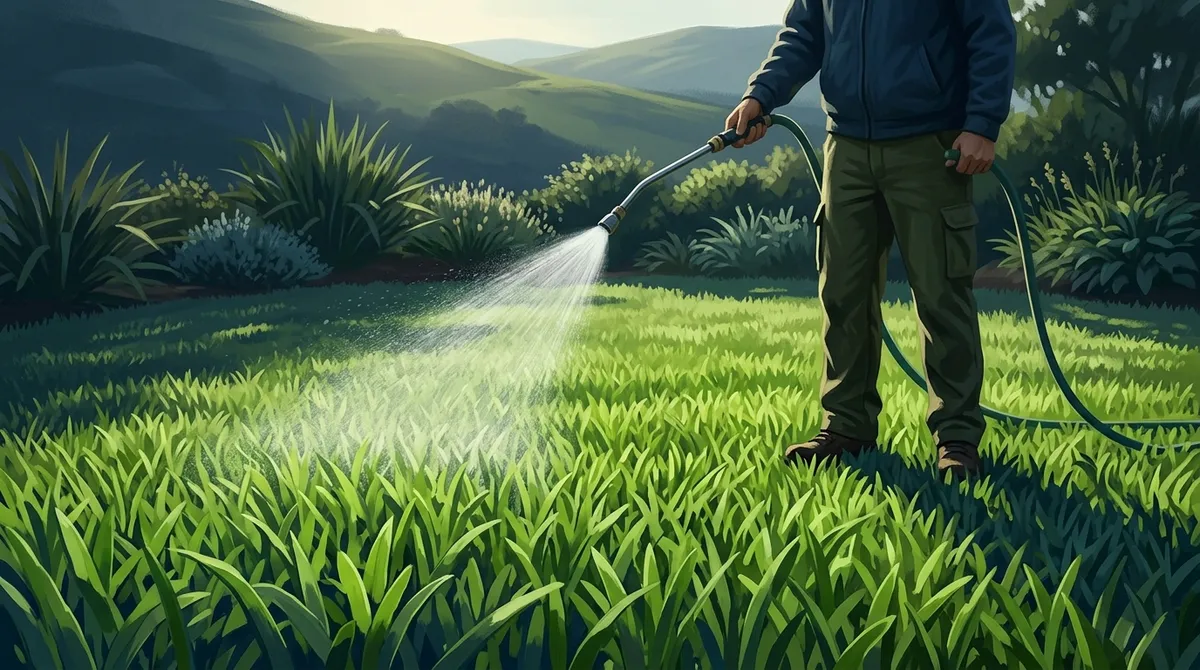
Watering Your St. Augustine Grass the Right Way
Overwatering and underwatering are both common mistakes in spring. St. Augustine grass needs about 3/4 to 1 inch of water per week. Too much water promotes fungal disease. Too little causes drought stress and thinning.
The best time to water is early morning — ideally before 10 AM. This gives the grass time to absorb moisture before the Florida heat evaporates it. Read more about the best time to water grass for optimal results.
Signs You’re Watering at the Right Rate
- Grass blades stand upright and look firm
- The soil is moist 4–6 inches deep after watering
- No standing water or muddy patches
- Lawn stays green between watering cycles
If you notice your lawn turning brown despite regular watering, there may be other issues at play. Fungal disease, soil compaction, or pest damage can mimic drought stress.
Dealing with Bare Spots and Thin Areas
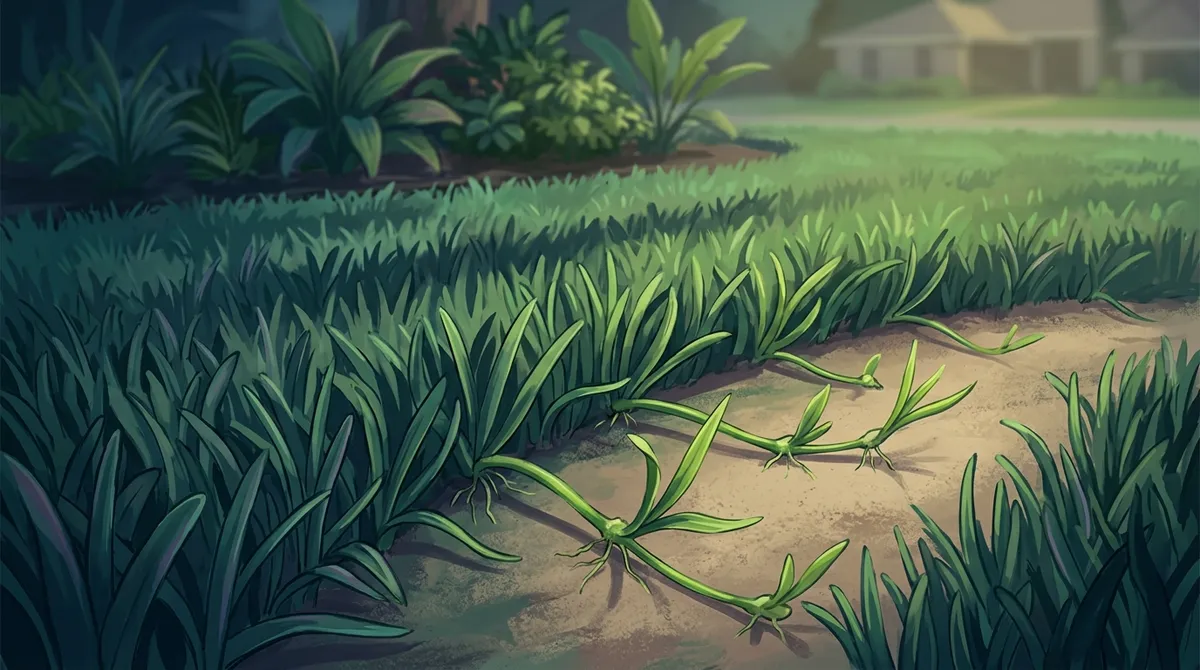
Winter damage, heavy foot traffic, and shade can all leave your St. Augustine lawn looking patchy come spring. The good news? Spring is the ideal time to fix it. St. Augustine grass doesn’t spread easily from seed — it grows through runners called stolons. That means sod or plugs are your best bet for fast, reliable coverage.
Sod installation gives you an instant, lush result. It fills bare spots quickly and integrates with existing turf within a few weeks. For larger areas, professional sod installation ensures the job is done right — with proper soil prep and precise placement that maximizes survival rates.
| Problem | Spring Solution | Expected Result |
|---|---|---|
| Bare patches | Sod installation or plugs | Full coverage in 3–4 weeks |
| Thin turf | Consistent mowing + watering | Denser growth by summer |
| Brown areas from dormancy | Wait + proper irrigation | Green-up within 2–3 weeks |
| Thatch buildup | Dethatching + cleanup | Better air and water movement |
| Weed invasion | Dense turf + pro consultation | Less weed pressure over time |
Common Spring Lawn Mistakes to Avoid
Even well-meaning homeowners make mistakes in spring. Avoiding these errors can save you weeks of frustration and recovery time. Check out 4 spring lawn care Riverview mistakes that commonly hurt yards in our area.
- Mowing too early or too short. Let the grass establish growth before the first cut. Scalping in spring is one of the fastest ways to damage St. Augustine turf.
- Watering at the wrong time. Evening watering promotes fungal disease. Always water in the early morning.
- Ignoring bare spots. Small bare patches grow larger if left alone. Address them early in spring before weeds take over.
- Skipping debris cleanup. Leaves and dead material left on the lawn block sunlight and promote disease. A spring leaf clean-up makes a real difference.
- Inconsistent mowing schedule. Letting grass grow too long between cuts forces you to cut more than one-third at a time — stressing the turf every cycle.
When to Call a Professional Lawn Care Team
Sometimes, the best thing you can do for your lawn is hand it off to the pros. If you’re dealing with widespread damage, recurring bare spots, or simply don’t have time to keep up, a professional lawn maintenance service can handle everything from mowing to cleanup to sod installation.
At All Trusted Lawn Care, we know Riverview lawns inside and out. We understand how St. Augustine grass behaves in our local climate and what it takes to keep it thriving through every season. Our team proudly serves Riverview, Valrico, Brandon, Bloomingdale, and Fishhawk with reliable, consistent lawn care you can count on.
You can also visit All Trusted Lawn Care on Google to read reviews from your neighbors and see the results we deliver right here in the community. And feel free to follow us on our Facebook page for seasonal lawn tips and local updates.
Spring Lawn Care Checklist for Riverview Homeowners
Use this quick checklist to make sure you’re hitting all the key steps this spring. Print it out or bookmark it for easy reference throughout the season. You can also explore our full Riverview spring lawn checklist for homeowners for even more detail.
- ✅ Walk the yard and note any damage or bare areas
- ✅ Remove leaves, debris, and thatch buildup
- ✅ Check irrigation system for proper coverage and timing
- ✅ Begin mowing once new growth appears consistently
- ✅ Set mower height to 3.5–4 inches for St. Augustine
- ✅ Schedule sod installation for bare or thin patches
- ✅ Set up a regular mowing schedule (weekly as growth increases)
- ✅ Contact a lawn care pro if you need extra help
For more Riverview-specific advice, explore our guide on 10 lawn care Riverview FL tips for a gorgeous yard. And if you want to understand what professional lawn teams can offer, check out what new homeowners should know about lawn care in Riverview.
The good news is that St. Augustine grass is a tough, resilient variety. With the right care in spring, it will reward you with thick, green coverage that makes your yard the envy of the neighborhood. You don’t have to do it alone — professional help is just a call away. Call us at 813-833-1882 and we’ll take the guesswork out of spring lawn care for you.
Ready to Transform Your Riverview Lawn This Spring?
Don’t let another spring slip by with a lawn that isn’t living up to its potential. St. Augustine grass has everything it needs to thrive in Riverview — it just needs the right care at the right time. From consistent mowing and proper watering to sod installation and spring cleanup, every step makes a difference. Reach out to All Trusted Lawn Care today to schedule your free estimate and start the season strong. Your best lawn ever is just one call away.
FAQs
Q: When should I start spring lawn care for St. Augustine grass in Riverview?
A: You should start paying attention once soil temperatures consistently reach around 65°F, which usually happens in late February or March in Riverview. That’s when St. Augustine grass begins breaking dormancy and actively growing again. Starting your mowing and watering routine at this point gives your lawn the best head start!
Q: What is the best mowing height for St. Augustine grass in spring?
A: St. Augustine grass thrives when kept between 3.5 and 4 inches tall — especially in spring when the turf is still getting established. Cutting shorter than that stresses the grass and makes it more vulnerable to weeds and drought. Keep your mower blade sharp and never remove more than one-third of the blade at a time.
Q: How do I fix bare spots in my St. Augustine lawn in spring?
A: Spring is actually the perfect time to fix bare spots because the warming temperatures help new sod and plugs establish quickly. Since St. Augustine grass doesn’t spread well from seed, sod installation or plugs are your most reliable options. A professional lawn care team can handle the prep work and placement for the best results.
Q: How often should I water my St. Augustine grass in spring?
A: St. Augustine grass generally needs about 3/4 to 1 inch of water per week in spring, combining rainfall and irrigation. Water deeply but infrequently — this encourages deeper root growth and a more drought-resistant lawn. Always water in the early morning to reduce the risk of fungal disease.
Q: Can I handle spring St. Augustine lawn care myself, or should I hire a pro?
A: Many homeowners handle basic spring tasks like mowing and watering on their own, and that’s totally great! But if you’re dealing with large bare patches, recurring lawn problems, or you simply don’t have the time, hiring a professional lawn care team makes a world of difference. A local pro knows Riverview’s climate and soil conditions and can get your lawn looking its best fast.