Key Takeaways
-
Dormant grass in Riverview appears tan or light brown with a dry, crispy texture from December through February, but is not dead—roots remain alive underground and will recover in spring.
-
Reduce irrigation to once every 10-14 days during dormancy and avoid overwatering, as excess water causes fungal disease and root rot in dormant lawns.
-
Distinguish dormant grass from dead grass by pulling a small patch: dormant grass roots hold firm with moisture, while dead grass roots pull out easily and appear dry.
-
Maintain St. Augustine grass at 3.5-4 inches height before and during dormancy to protect the crown, and avoid scalping which increases winter stress and vulnerability.
-
Monitor and control cool-season weeds like dollarweed during dormancy when warm-season grass is weak, and clear leaves/debris regularly to prevent fungal disease.
-
Skip fertilizing and heavy herbicide applications during dormancy as dormant grass cannot absorb nutrients and is more vulnerable to chemical injury.
If you’ve noticed your Riverview lawn looking a little sad and brownish during the cooler months, don’t panic! You might just be witnessing something totally normal — Florida lawn dormancy. Many homeowners mistake dormant grass for dead grass, and that misunderstanding can lead to some costly mistakes. Understanding what dormancy looks like and how to handle it can save your lawn, your wallet, and a whole lot of stress.
Florida lawns are unique. Unlike northern states where grass practically disappears under snow, Riverview yards go through a subtle, sometimes confusing, kind of seasonal shift. The good news? Your grass is probably just taking a well-deserved nap. Let’s walk through the 10 most common dormancy mistakes homeowners in Riverview make — and how to avoid every single one of them.
Do Florida Lawns Actually Go Dormant in Riverview?
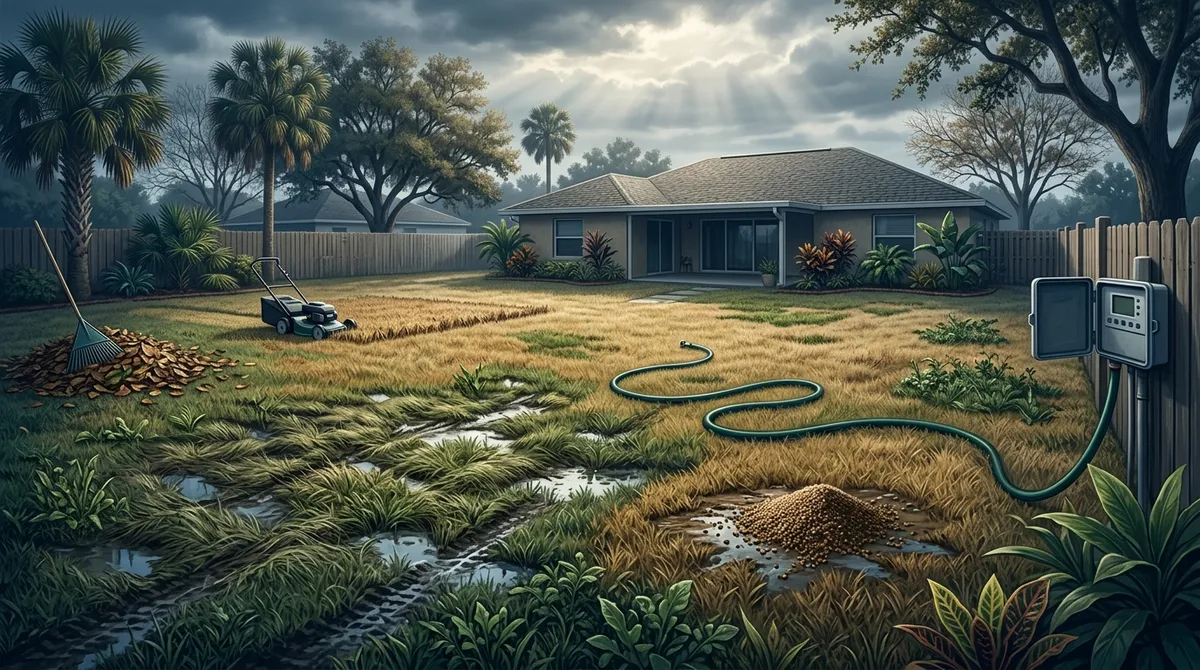
Yes, Florida lawns do go dormant in Riverview — but it looks very different from what you’d see up north. Most Riverview lawns are planted with warm-season grasses. St. Augustine, Bahia, Bermuda, and Zoysia are the most popular. These grasses slow their growth significantly when temperatures dip below 55°F. Riverview typically sees cooler nights from December through February, which is enough to trigger partial or full dormancy.
During dormancy, your grass isn’t dead — it’s conserving energy. Think of it like a bear hibernating. The roots stay alive underground, waiting for warmer weather to bounce back. If you want to learn more about active vs. dormant grass and which month growth stops, that resource breaks it down in a simple way.
What Does Dormant Grass Look Like in Riverview?
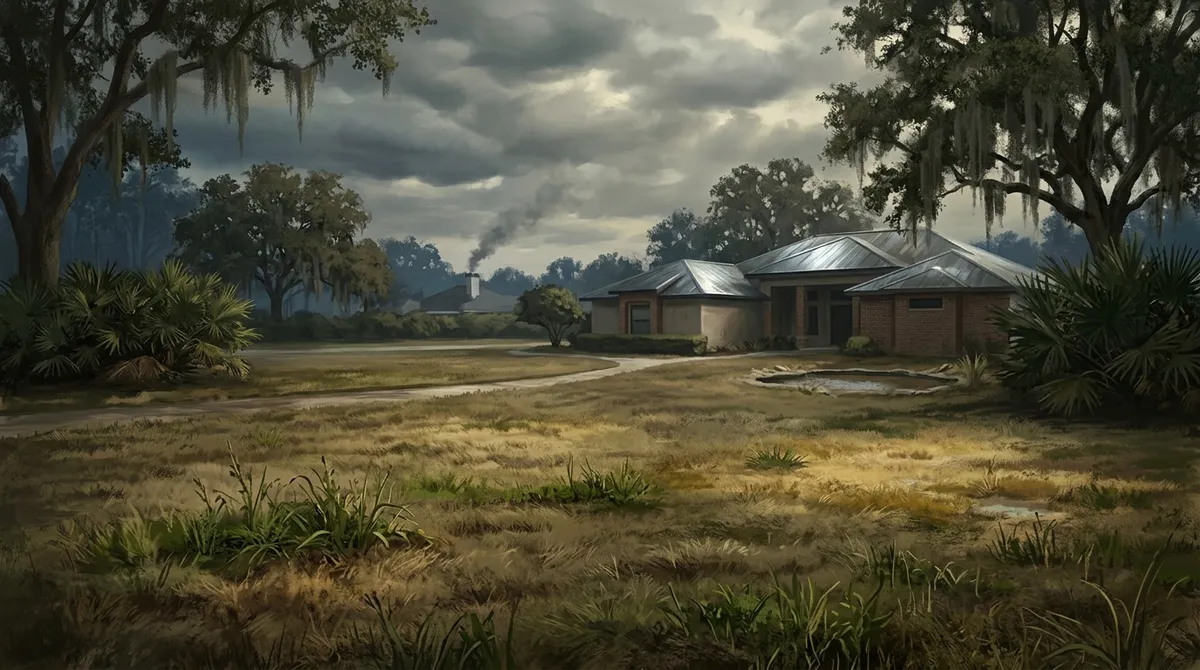
This is where most homeowners get confused. Dormant Florida grass shows a few clear signs:
- A tan, straw-like, or light brown color across the lawn
- Very little to no new growth
- A dry, crispy texture when you walk on it
- Thin or sparse-looking blades that don’t spring back quickly
- Slower response to irrigation
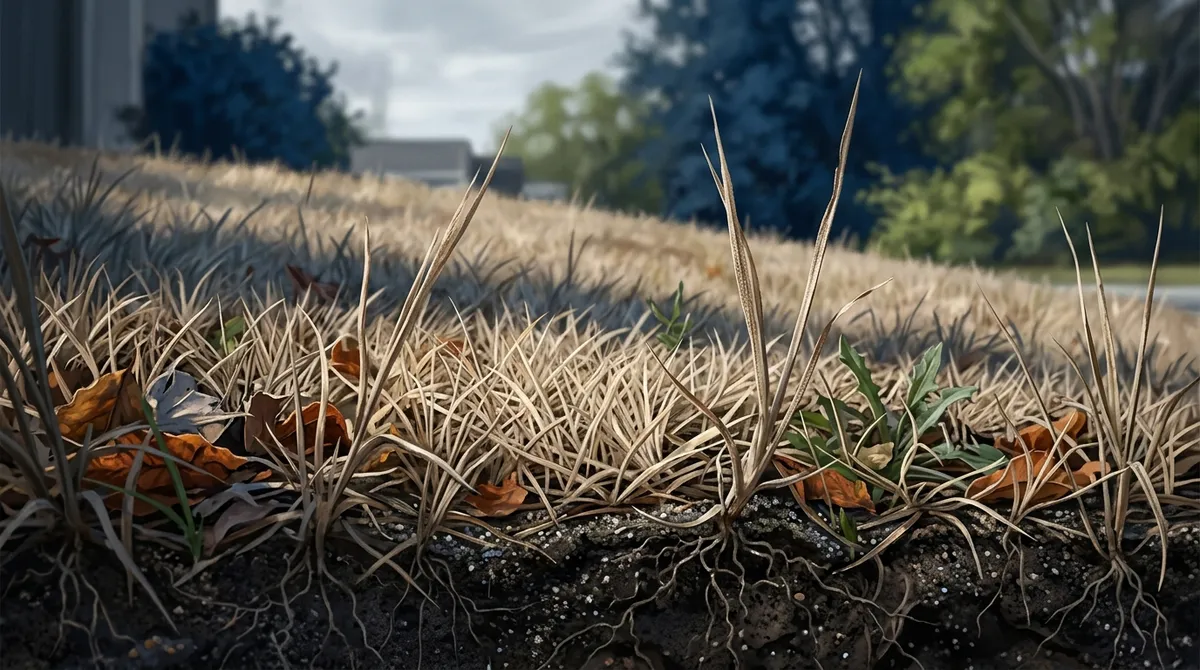
It can look worrying, but this is completely normal for warm-season grasses during Riverview’s mild winter months. The key difference between dormant grass and dead grass is whether the roots are still alive. You can check this by pulling up a small patch — if the roots hold firm and show some moisture, your lawn is dormant, not gone. For a deeper look at this, check out our guide on what the signs of dead grass actually look like.
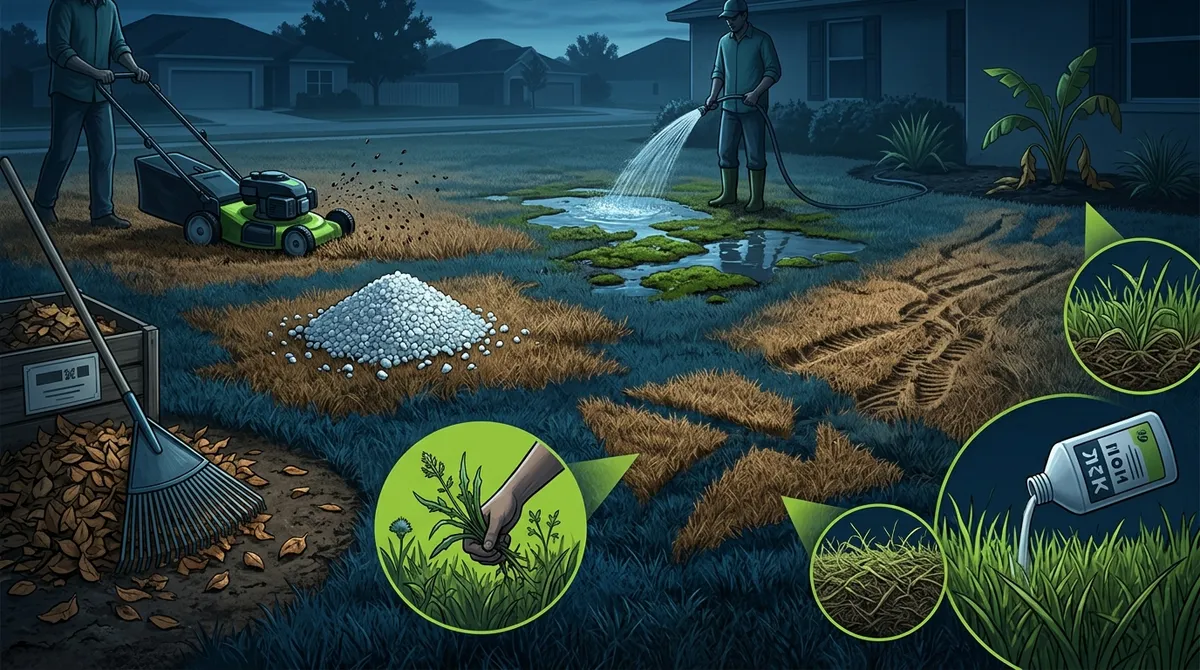
10 Florida Lawn Dormancy Mistakes to Stop Making Now
Mistake 1: Panicking and Overwatering
The number one mistake homeowners make is seeing brown grass and drowning it with water. During dormancy, your lawn needs much less water. Overwatering a dormant lawn can actually cause fungal disease and root rot. Reduce irrigation to once every 10 to 14 days during cool, dry periods. Your lawn is resting — don’t force it awake with too much water.
Mistake 2: Fertilizing During Dormancy
This is a big one. Applying fertilizer to a dormant lawn does more harm than good. The grass can’t absorb nutrients when it’s in survival mode. Fertilizer sitting on dormant roots can burn the lawn or run off into storm drains. Wait until spring growth returns before feeding your yard. If you need guidance on a fertilization partner, reach out to our team and we’ll connect you with trusted local specialists.
Mistake 3: Mowing Too Short Before Dormancy
Scalping your lawn heading into cooler months leaves it vulnerable. Keeping a slightly higher mowing height going into fall gives your grass more leaf surface to protect the crown. For St. Augustine grass in Riverview, aim for 3.5 to 4 inches before and during dormancy. Learn more about whether it’s better to leave grass long or short for winter.
Mistake 4: Assuming the Lawn Is Dead
Brown grass in winter doesn’t equal dead grass. This mistake causes homeowners to rip out perfectly healthy sod and spend money on replacement. Before you call anyone for sod installation, do the tug test. Grab a handful of brown blades and pull gently. Dead grass pulls out easily with no resistance. Dormant grass holds firm because the roots are still healthy underground.
Mistake 5: Continuing Heavy Foot Traffic
Dormant grass is fragile. The blades are dry and brittle, so heavy foot traffic during this time can damage the grass crowns. Try to limit foot traffic across dormant areas. Keep pets and kids off the lawn as much as possible during the coolest months to protect the growing points at the base of each grass blade.
Mistake 6: Ignoring Winter Weeds
While your warm-season grass sleeps, cool-season weeds like dollarweed and chamberbitter wake right up. These weeds love to fill in the gaps left by dormant turf. Ignoring them during winter means a bigger weed problem come spring. This is a great time to stay on top of regular lawn maintenance to prevent a weed takeover.
Mistake 7: Skipping Professional Lawn Check-Ins
Many homeowners stop their lawn service entirely during winter months, thinking there’s nothing to do. But dormancy doesn’t mean your lawn needs zero attention. Edging, debris cleanup, and monitoring for disease or pests are still important. All Trusted Lawn Care continues to serve Riverview and surrounding communities year-round so your lawn is always in good hands, even in the slower months.
Mistake 8: Applying Herbicides at the Wrong Time
Applying weed killers to dormant grass increases stress on your lawn and can cause damage. Dormant turf is more vulnerable to chemical injury. If you’re dealing with a serious weed issue, consult with a lawn professional before applying any treatments. Timing matters a lot when it comes to lawn chemical applications in Riverview’s climate.
Mistake 9: Forgetting Leaf and Debris Cleanup
Even in mild Riverview winters, leaves and debris can pile up on your dormant lawn. A thick layer of debris blocks sunlight and traps moisture, which can lead to lawn disease and slow spring recovery. Stay on top of leaf cleanup throughout the dormant season. A clean lawn in winter wakes up greener and faster in spring.
Mistake 10: Not Planning for Spring Recovery
The final mistake is having no plan for when your lawn comes out of dormancy. Spring is actually the most important season for Riverview lawns. Knowing when to start mowing again, when to begin watering more, and how to encourage thick spring growth sets the tone for the whole year. Read up on what your lawn needs for spring growth so you’re ready to hit the ground running.

How Long Does Lawn Dormancy Last in Riverview?
In Riverview, Florida, lawn dormancy is typically short and mild compared to other states. Most warm-season grasses slow down from mid-December through mid-February — roughly 8 to 10 weeks. Because Riverview rarely gets a hard freeze, full dormancy is not always guaranteed. Some winters, your lawn may only partially slow down and stay mostly green. It all depends on how cool temperatures get and how long they stay cool.
| Grass Type | Dormancy Trigger Temp | Color During Dormancy | Recovery Speed |
|---|---|---|---|
| St. Augustine | Below 55°F | Tan to light brown | Moderate (2-4 weeks) |
| Bahia | Below 50°F | Golden brown | Fast (1-3 weeks) |
| Bermuda | Below 50°F | Straw/tan | Fast (1-2 weeks) |
| Zoysia | Below 55°F | Light tan | Slow (3-5 weeks) |
What Should You Do During Lawn Dormancy in Riverview?
Just because your lawn is resting doesn’t mean there’s nothing to do. Here’s a simple care plan to follow during dormancy:
- Reduce watering frequency to once every 10 to 14 days if rainfall is minimal
- Keep mowing occasional — only if the grass is still growing slightly, and keep blades high
- Schedule leaf and debris cleanup to keep the lawn surface clear
- Monitor for weeds and address cool-season invaders early
- Inspect for lawn disease — dormant lawns can develop fungal issues in wet conditions
- Avoid heavy foot traffic and keep activity minimal on dormant areas
- Plan your spring lawn care strategy including mowing schedules, sod repairs, and service appointments
Following this simple routine makes a huge difference in how fast and how healthy your lawn bounces back once temperatures warm up again. You can also explore 15 dormant grass tips that save your lawn in 2026 for even more guidance.
Dormancy vs. Dead Grass: Quick Comparison
| Sign | Dormant Grass | Dead Grass |
|---|---|---|
| Color | Tan or light brown | Gray or very dark brown |
| Root test | Roots hold firm | Roots pull out easily |
| Recovery | Returns green in spring | Does not recover |
| Texture | Dry but intact blades | Crumbles or disintegrates |
| Pattern | Even across lawn | Patchy, irregular spots |
When to Call a Lawn Professional in Riverview
Sometimes what looks like dormancy isn’t dormancy at all. If you notice patchy, uneven browning that doesn’t follow the pattern of the whole lawn, it could be a sign of disease, pest damage, or drought stress. These issues need attention even in winter. Check out these 9 signs your Riverview lawn needs a pro to know when to pick up the phone.
The team at All Trusted Lawn Care knows Riverview lawns inside and out. We’ve seen every kind of winter lawn situation, and we’re always happy to take a look and give honest advice. You can also visit our All Trusted Lawn Care Google Business Profile to read reviews from real Riverview homeowners who trust us with their yards year-round.
For busy homeowners, seniors, and new homeowners who just aren’t sure what’s happening with their lawn this winter, please don’t stress. Help is just a call away. You can also check us out on our All Trusted Lawn Care Facebook page for seasonal lawn care tips and updates.
How Dormancy Affects Your Mowing Schedule
One of the most practical questions we hear is: “Should I keep mowing during dormancy?” The honest answer is — it depends. Here’s a simple breakdown:
- If your lawn has fully gone tan and stopped growing, skip mowing entirely
- If growth has slowed but is still happening, mow at a higher setting every 3 to 4 weeks
- Never scalp a dormant lawn — it puts enormous stress on the grass
- Resume your regular mowing schedule when green growth returns in late February or March
Need help figuring out how often to mow your lawn in Riverview? We’ve got clear, friendly guidance that takes the guesswork out of it. Using a good lawn mower set at the right height makes all the difference during the transition in and out of dormancy.
Getting Your Lawn Ready to Wake Up in Spring
The best thing you can do right now is prepare for spring. Riverview lawns that come out of dormancy with a clean slate — no debris, no weeds, no damage — green up fast and look amazing by March and April. Here’s your pre-spring checklist:
- Clear all leaves and debris from your lawn surface
- Identify and treat any patches that look questionable before spring growth begins
- Schedule your first spring mowing appointment in advance
- If you have bare patches from summer damage, plan for professional sod installation in early spring
- Consider adding fresh mulch installation to garden beds to protect roots during the final cold weeks
Want to know more about lawn care in Riverview, FL and what the full year looks like for your yard? That resource covers everything from seasonal timing to specific grass care tips for this area.
Why Riverview Lawn Dormancy Is Actually a Good Thing
Here’s a perspective shift that might make you feel better about your tan winter lawn: dormancy is healthy. It’s your grass protecting itself from cold stress. Trying to fight dormancy with fertilizer and excess water actually weakens the lawn long-term. Letting nature take its course — with a little smart care from you — results in a stronger, thicker, greener lawn come spring. For expert insight, the University of Florida IFAS Extension offers great science-backed resources on Florida lawn management that align with exactly what we see in Riverview yards every winter.
Conclusion
Florida lawns absolutely go dormant in Riverview, and knowing what that looks like puts you miles ahead of the average homeowner. The 10 mistakes we’ve covered — from overwatering to skipping winter maintenance — are all avoidable once you understand what’s really happening with your grass. Dormancy is not death. It’s a pause. And with the right care, your Riverview lawn will come back greener and stronger than ever.
Whether you’re a busy parent, a senior homeowner, or someone who just bought their first home in the area, you don’t have to navigate this alone. All Trusted Lawn Care is proud to serve Riverview, Valrico, Bloomingdale, Fishhawk, East Brandon, and Boyette with reliable, friendly lawn care all year long — including through the quiet winter months.
Ready to make sure your lawn survives dormancy and thrives this spring? Reach out to our team today for a free estimate and let’s get your yard looking its absolute best. You can also give us a call at 813-833-1882 — we’d love to hear from you!
FAQs
Q: Do Florida lawns in Riverview go fully dormant every winter?
A: Not always! Riverview’s mild winters mean your lawn may only partially slow down rather than go fully dormant. It really depends on how cold temperatures get and how long they stay cool. Most warm-season grasses in Riverview start to slow their growth when temperatures drop below 55°F, which typically happens from mid-December through mid-February.
Q: How do I know if my Riverview lawn is dormant or dead?
A: Great question — and it’s one we hear all the time! The easiest test is to grab a small patch of brown grass and give it a gentle tug. Dormant grass holds firm because the roots are still alive and healthy underground. Dead grass pulls out with little to no resistance and the roots look dry and lifeless.
Q: Should I water my lawn during dormancy in Riverview?
A: Yes, but much less than usual! A dormant lawn only needs water every 10 to 14 days during cool, dry periods. Overwatering during dormancy is actually one of the biggest mistakes homeowners make — it can lead to fungal disease and root rot. Less is more when your grass is in sleep mode!
Q: When will my Riverview lawn come out of dormancy?
A: Most warm-season grasses in Riverview start showing green growth again in late February to March as temperatures consistently warm back up. You’ll notice new green blades emerging and growth picking back up. That’s your signal to resume your regular watering and mowing schedule — exciting stuff!
Q: Can I still use a lawn service during dormancy in Riverview?
A: Absolutely, and we’d actually recommend it! Even during dormancy, your lawn benefits from services like edging, leaf cleanup, debris removal, and monitoring for winter weeds or disease. All Trusted Lawn Care serves Riverview year-round to keep your lawn in top shape no matter the season.