Key Takeaways
-
Dog urine burns grass due to high nitrogen concentration that acts like a fertilizer overdose, combined with salts that dehydrate grass blades. Immediate watering can dilute the urine and significantly reduce damage within 24-48 hours.
-
Female dogs cause more lawn damage than males because they concentrate all urine in one spot when squatting, while males spread urine more broadly. Keeping your dog well-hydrated produces more diluted urine with less nitrogen and salt concentration.
-
Bermuda and Zoysia grass varieties are most resistant to dog urine damage and recover quickly, while Kentucky Bluegrass is highly sensitive and recovers slowly. Choose grass types suited to your lawn's climate and pet traffic patterns.
-
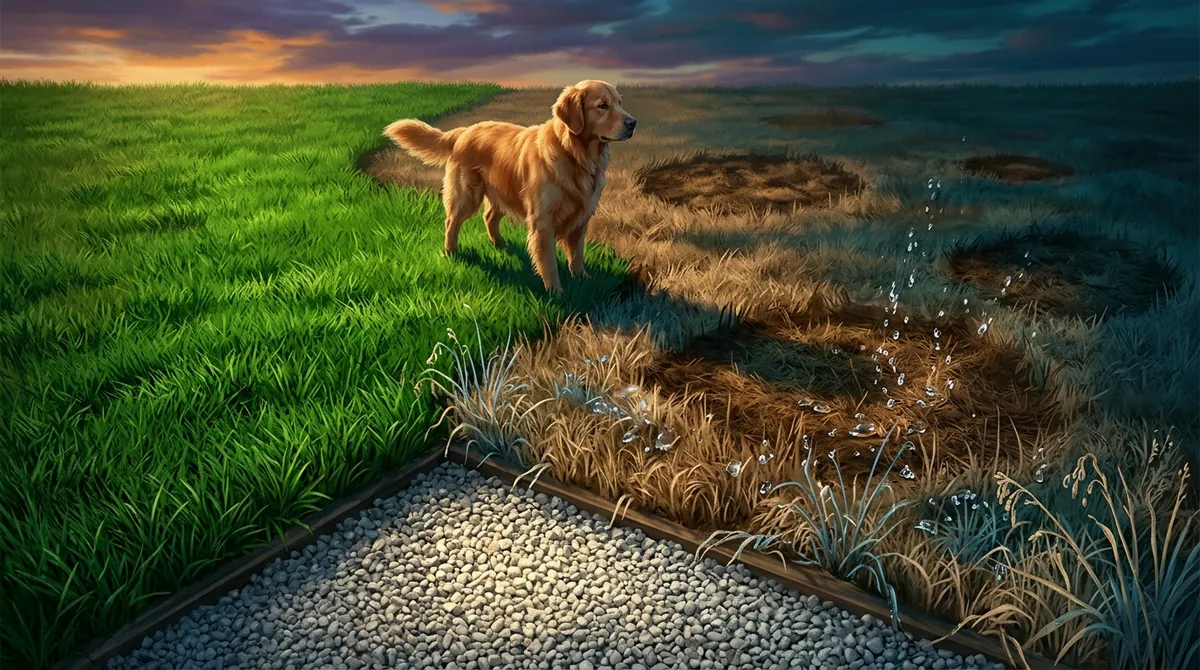
Create a designated mulched or gravel bathroom area for your dog to eliminate urine exposure to your main lawn entirely. This single prevention strategy protects grass more effectively than attempting repairs after damage occurs.
-
Repair dog urine spots by immediately flushing with water, removing dead grass, aerating soil, adding topsoil, re-seeding or laying sod, then watering consistently. Professional sod installation offers the fastest repair for large patches.
-
A healthy, well-maintained lawn is far more resistant to urine damage than stressed grass, so regular mowing, proper hydration, and consistent care significantly reduce visible burn spots.
If you have a dog, you’ve probably noticed those mysterious brown patches showing up in your yard. Your pup is likely the culprit! Dog urine can cause real damage to your grass, leaving behind burned spots and discolored areas that are frustrating to deal with. The good news is that understanding why this happens makes it much easier to fix — and even prevent. Whether you’re in Bloomingdale or a nearby community, keeping your lawn green and healthy while sharing it with your furry friend is absolutely possible. Let’s walk through everything you need to know about how dog urine affects your lawn and what you can do about it.
Why Does Dog Urine Burn Grass?
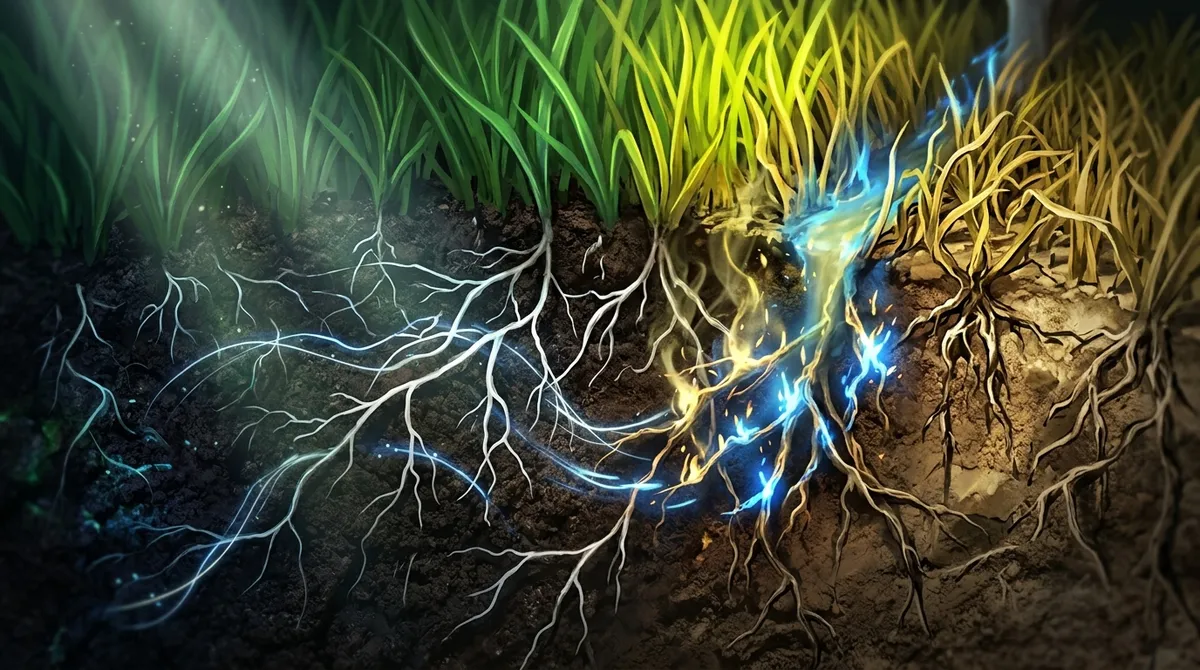
Dog urine contains a high concentration of nitrogen. Nitrogen is actually a nutrient that grass needs — but too much of it at once acts like a fertilizer overdose. When your dog pees in the same spot repeatedly, the soil gets overwhelmed with nitrogen. This causes the grass to burn and turn brown. It’s similar to what happens when you apply too much lawn fertilizer in one area.
The urine also contains salts and other compounds that pull moisture out of grass blades. This dehydrates the grass from the outside in. The result is those telltale dead patches that seem to appear overnight.
What Do Dog Urine Spots Look Like?
Recognizing dog urine damage is the first step to fixing it. Here’s what to look for:
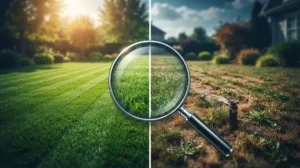
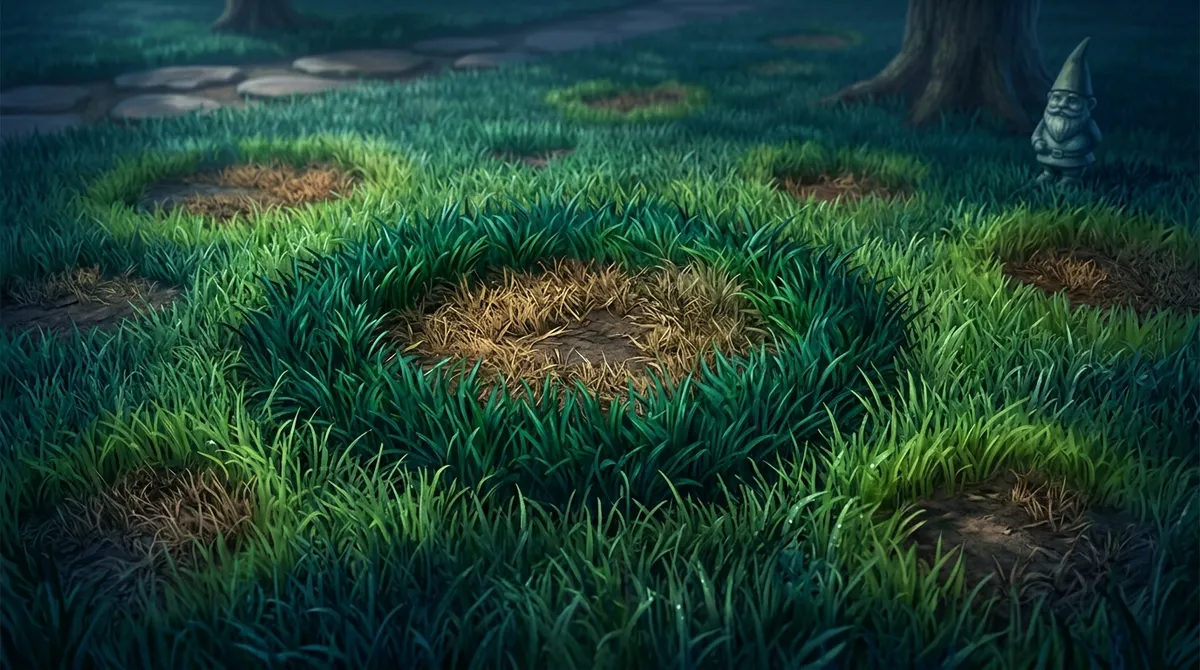
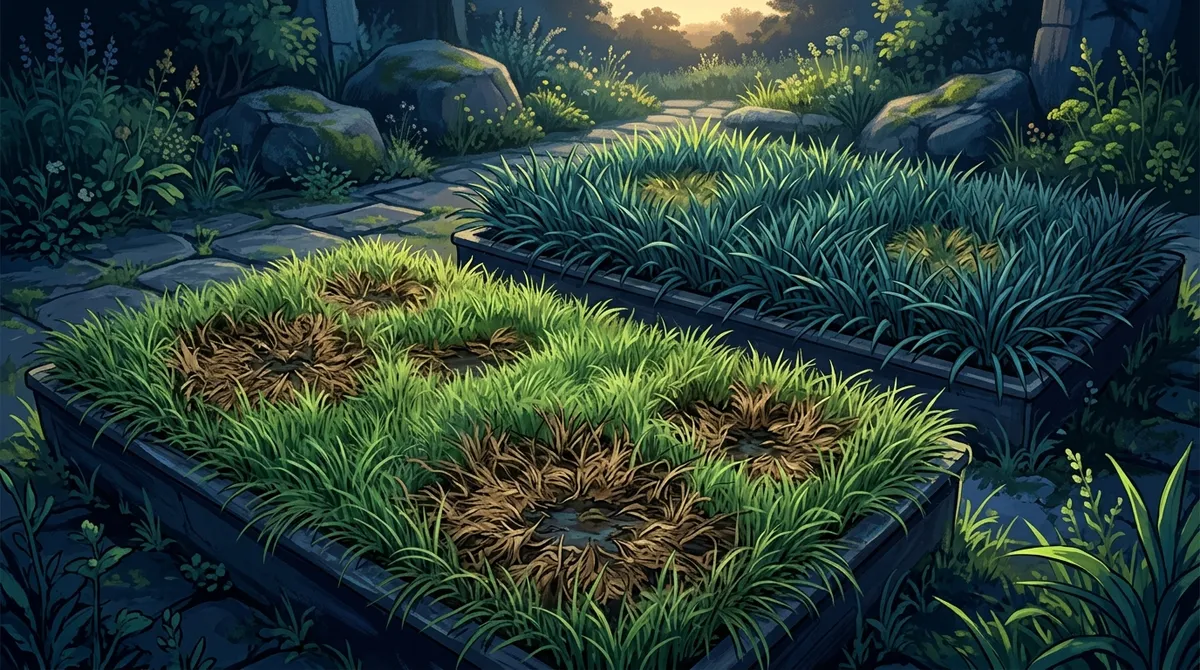
- Brown or yellow dead patches — These are the most obvious signs. The grass looks scorched and dry.
- A ring of dark green grass around the dead center — This happens because the edges of the urine spot get a diluted dose of nitrogen, which actually encourages growth.
- Recurring spots in the same location — Dogs are creatures of habit and tend to use the same spots repeatedly.
- Irregularly shaped patches — Unlike lawn disease or drought, urine spots tend to be small and irregular.
- Faster damage in hot, dry weather — Summer heat makes urine burn worse because moisture evaporates quickly.
Which Grass Types Are Most Vulnerable?
Not all grass handles dog urine the same way. Some types are more sensitive than others. Here’s a quick comparison to help you understand your lawn’s risk level:
| Grass Type | Sensitivity to Dog Urine | Recovery Speed |
|---|---|---|
| St. Augustine | Moderate | Moderate |
| Bermuda | Lower | Fast |
| Zoysia | Lower | Moderate |
| Bahia | Moderate | Moderate |
| Kentucky Bluegrass | High | Slow |
In Bloomingdale and surrounding areas, St. Augustine and Bermuda are the most common grass types. Bermuda actually recovers fairly well from urine spots, especially during its active growing season. St. Augustine can be a bit more stubborn. You can learn more about caring for St. Augustine grass to keep it at its best.
Factors That Make Dog Urine Damage Worse
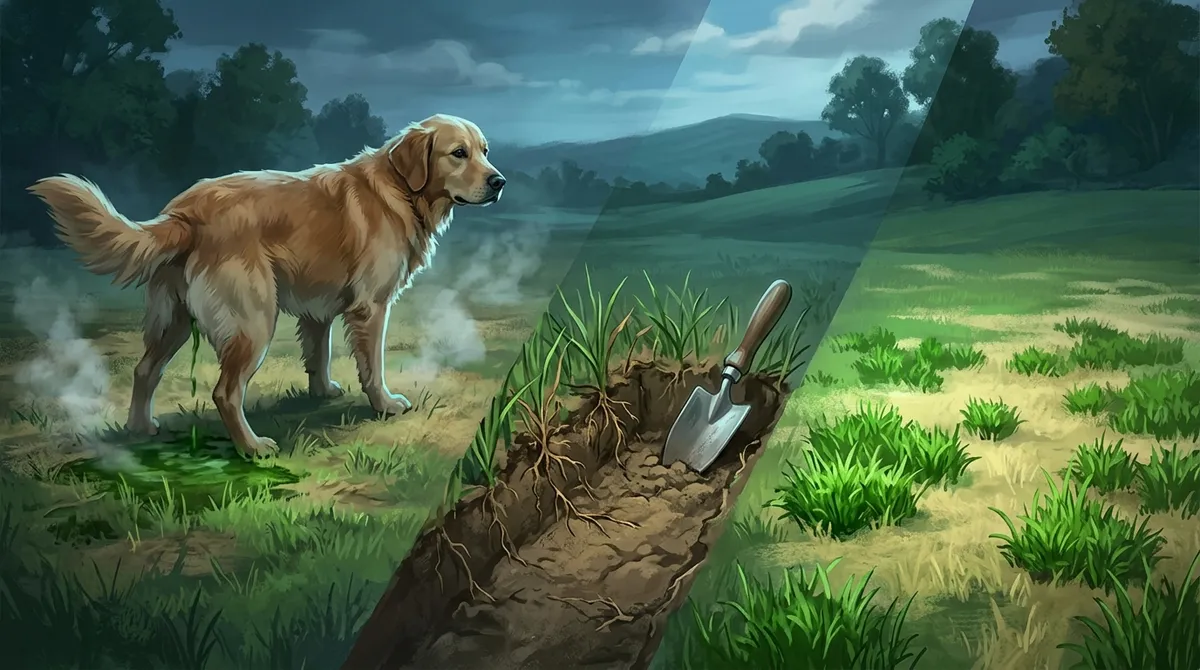
Several things can increase the impact dog urine has on your lawn. Being aware of these helps you take smarter action.
1. Concentrated Urine
Dogs that don’t drink enough water produce more concentrated urine. This means more nitrogen and salts hit the grass with each visit. Keeping your dog well-hydrated is one of the easiest ways to reduce lawn damage naturally.
2. Repeated Use of the Same Spot
When your dog visits the same area over and over, the nitrogen builds up faster than the soil can process it. One spot may look fine at first, then quickly turn brown after several visits.
3. Hot and Dry Conditions
In Bloomingdale’s warm Florida climate, heat speeds up the burning process. During summer months, urine damage can appear within just a day or two. Proper watering habits become even more important during these periods. Knowing the best time to water your Florida lawn can help offset some of this damage.
4. Lawn Already Under Stress
If your grass is already struggling from drought, disease, or poor maintenance, dog urine hits harder. A healthy, well-maintained lawn bounces back much faster from urine damage than a stressed one.
How to Fix Dog Urine Spots on Your Lawn
The damage is done — now what? Here’s a simple step-by-step guide to repairing urine spots on your lawn:
- Water the spot heavily right away. Flushing the area with water dilutes the nitrogen and salts before they do maximum damage. Do this as soon as possible after your dog goes.
- Remove dead grass. Use a rake to pull out the brown, dead grass in the affected area. This clears the way for new growth.
- Loosen the soil. Lightly rake or aerate the bare soil. This improves drainage and root penetration for new grass.
- Add fresh topsoil if needed. If the area looks compacted or depleted, a thin layer of topsoil can give new grass a better start.
- Re-seed or lay new sod. For larger patches, sod installation gives you the fastest fix. Seeding works for smaller spots but takes longer. Our team offers professional sod installation to get your lawn looking full and healthy again quickly.
- Water consistently after repair. Keep the repaired area moist while new grass establishes. Don’t let it dry out.
Prevention Tips: Protecting Your Lawn From Dog Urine Damage
Fixing spots is great, but preventing them in the first place is even better. Here are some practical tips that really work:
- Train your dog to use a designated area. Pick a mulched or gravel section of your yard for your dog’s bathroom spot. This keeps urine away from your grass entirely. Mulch installation is a great solution for creating a dedicated pet area that looks tidy too.
- Water the spot immediately after your dog uses it. A quick rinse with the garden hose can significantly reduce burning.
- Keep your dog well-hydrated. More water intake means more diluted urine — less damage to your grass.
- Walk your dog around the block more often. The more your dog urinates away from home, the less your lawn has to absorb.
- Maintain a healthy lawn year-round. A thick, vigorous lawn is far more resistant to urine damage. Regular mowing, edging, and proper care all help. Check out our lawn maintenance services to keep your yard in top shape.
Can Professional Lawn Care Help With Dog Urine Damage?
Absolutely! A professional lawn care service can make a real difference when dog urine damage gets out of hand. Regular maintenance keeps your grass thick and resilient, so minor urine spots don’t turn into major problems. Professionals also know how to identify when spots need sod repair versus simple re-seeding.
At All Trusted Lawn Care, we serve homeowners throughout Bloomingdale, Valrico, East Brandon, Fishhawk, Boyette, and Riverview. We understand how the local Florida climate affects your lawn — and how to keep it looking its best even with pets in the picture. You can read what our customers say on Google to see how we’ve helped families just like yours maintain beautiful yards.
Our team handles everything from regular mowing and edging to full sod installation for damaged areas. We also offer landscape design if you want to create a dedicated pet-friendly zone in your yard that keeps your grass protected. While we focus on mowing and maintenance, we’re always happy to connect you with trusted local partners for fertilization or soil care if your lawn needs that extra boost. You can check out our gallery to see the kind of results we deliver for Bloomingdale homeowners.
When Is the Right Time to Call a Lawn Pro?
Sometimes dog urine damage goes beyond a DIY fix. Here’s when it makes sense to call in a professional:
- Multiple large dead patches — When you have several spots larger than a dinner plate, sod installation is often the best solution.
- The same spots keep dying back — If repairs don’t seem to last, there may be an underlying soil issue that needs professional attention.
- You’re preparing for a sale or special event — If your lawn needs to look great quickly, professional sod and maintenance services get you there fast.
If you’re curious about what professional repair might look like for your yard, don’t hesitate to reach out. You can also follow us on our All Trusted Lawn Care Facebook page for helpful tips, seasonal lawn advice, and local service updates. You can browse our full range of lawn care services online or learn more about our team and values.
Simple Daily Habits That Make a Big Difference
Protecting your lawn from dog urine doesn’t have to be complicated. Small daily habits add up fast. Here’s a quick summary of easy wins:
- Rinse urine spots immediately with water from a hose
- Keep your dog’s water bowl full and fresh at all times
- Designate a specific bathroom spot away from your main lawn
- Stick to a regular mowing and maintenance schedule so grass stays thick
- Inspect your lawn weekly and address small spots before they spread
- Consider mulch installation for a dedicated pet area
For more helpful advice, check out 13 common lawn care problems and how to fix them — it covers a wide range of issues that Bloomingdale homeowners face, including pet-related lawn damage.
For information on lawn science and equipment, resources like Wikipedia’s overview of lawn care tools and guidance from the Clemson Home & Garden Information Center can offer additional context on proper yard maintenance.
Ready to Restore Your Lawn?
Dog urine damage is one of the most common lawn problems pet owners face in Bloomingdale and across the Tampa Bay area. The good news? It’s very fixable — and even more preventable — with the right care and habits. Whether you need a simple maintenance plan to keep your grass strong or full sod installation to repair serious damage, there’s a solution that fits your situation.
Don’t let pet spots take over your yard. Reach out to our team today for a free estimate, or simply give us a call at 813-833-1882 and let us help you get your Bloomingdale lawn looking lush, green, and beautiful again — dogs and all!
FAQs
Q: How quickly does dog urine damage grass?
A: Dog urine can start killing grass within 24 to 48 hours, especially in hot Florida weather. The faster you rinse the affected area with water, the better your chances of preventing a dead patch from forming.
Q: Does dog urine permanently kill grass?
A: Great news — it doesn’t have to be permanent! Most urine spots can be repaired with fresh sod or re-seeding once you remove the dead grass and prepare the soil. With the right care, your lawn can look full and green again in just a few weeks.
Q: Are female dogs worse for lawns than male dogs?
A: Female dogs tend to squat and release all their urine in one concentrated spot, which causes more damage than the smaller, more spread-out sprays male dogs typically produce. However, both can cause lawn burn if the same areas are used repeatedly.
Q: Can I use products to neutralize dog urine in my lawn?
A: There are products marketed to neutralize urine in soil, but the most effective and affordable solution is simply flushing the spot immediately with plenty of water. Maintaining a healthy, well-fertilized lawn also helps it recover faster from urine exposure.
Q: What is the best grass type for yards with dogs?
A: Bermuda grass tends to handle dog urine better than other varieties because it’s tough, drought-tolerant, and recovers quickly. In Bloomingdale and surrounding areas, Bermuda and Zoysia are both good choices for pet-friendly yards.