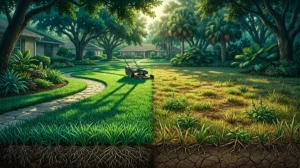
Key Takeaways
-
Always mow first, then edge—this order prevents grass clippings from ruining freshly edged lines and creates a more professional, polished appearance.
-
Mowing first sets a consistent grass height baseline, making it easier to see where edges need to be and cut more precise lines without fighting overgrown blades.
-
Follow the complete lawn care sequence: mow, edge, string trim obstacles, then blow clippings—this ensures crisp results every time with minimal touch-ups needed.
-
Edge during every mow session (weekly during growing season) with dry grass using a dedicated stick edger for clean, defined cuts along sidewalks and driveways.
-
If you edge first, mowing will cover your clean edges with clippings, forcing you to re-edge or clean up afterward—a wasteful extra step that pros avoid.
-
For Bloomingdale grasses like St. Augustine, maintain proper mowing height (3.5-4 inches) and edge consistently to prevent overgrown borders that become difficult to fix.
Every weekend, homeowners across Bloomingdale, Florida face the same question before they start their lawn routine: are you supposed to edge or mow first? It sounds simple, but the order you choose actually makes a real difference in how your yard looks when you’re done. Getting the sequence right can save you time, effort, and give you cleaner results.
The good news? There’s a clear answer — and once you know it, your whole lawn routine gets easier. Whether you’re a busy parent squeezing in yard work between soccer games or a new homeowner still figuring out your lawn care basics, this guide will walk you through everything you need to know. Let’s settle this debate once and for all.
The Short Answer: Mow First, Then Edge
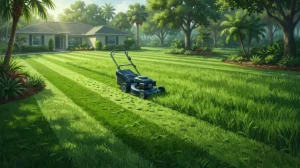
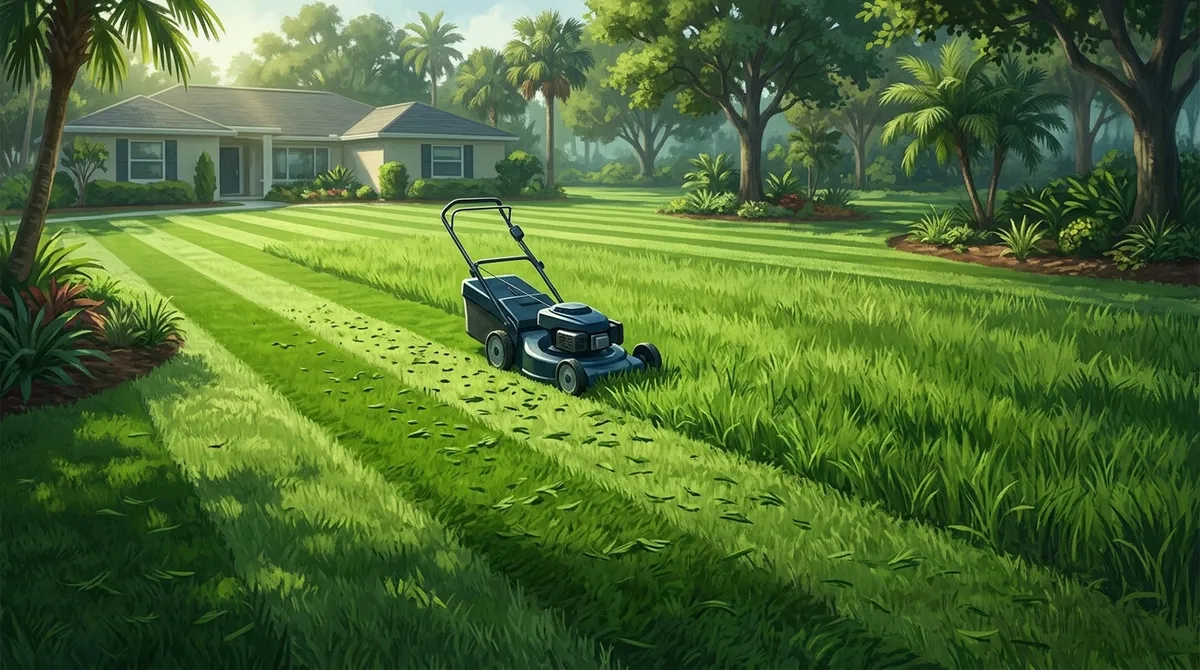
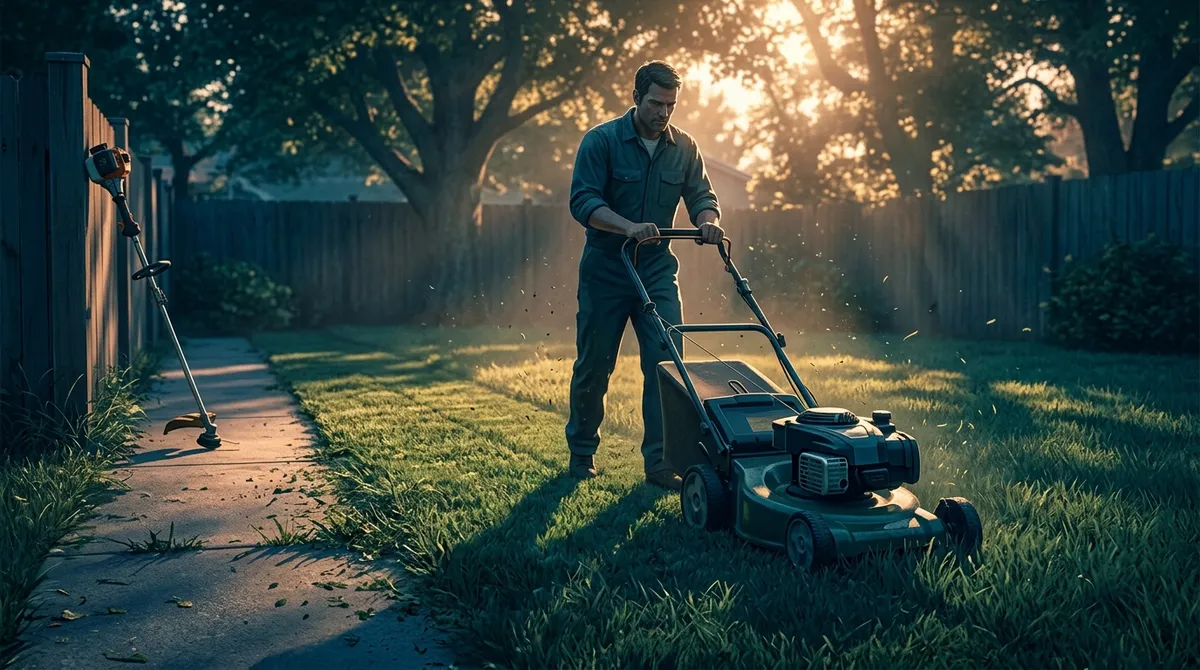
Most lawn care professionals agree — mow first, then edge. This order gives you the best-looking results and makes the whole process more efficient. When you mow first, you cut down the bulk of the grass. Then edging creates those sharp, clean lines that really make a lawn pop.
Think of it like painting a room. You roll the walls first, then cut in the edges for a crisp finish. Same idea here. Mowing handles the big picture, and edging puts the finishing touch on everything.
If you want to understand more about what a full Lawn Maintenance routine looks like, it helps to understand how each step builds on the last one.
Why Mowing First Makes More Sense
Here are the main reasons why mowing before edging is the right call:
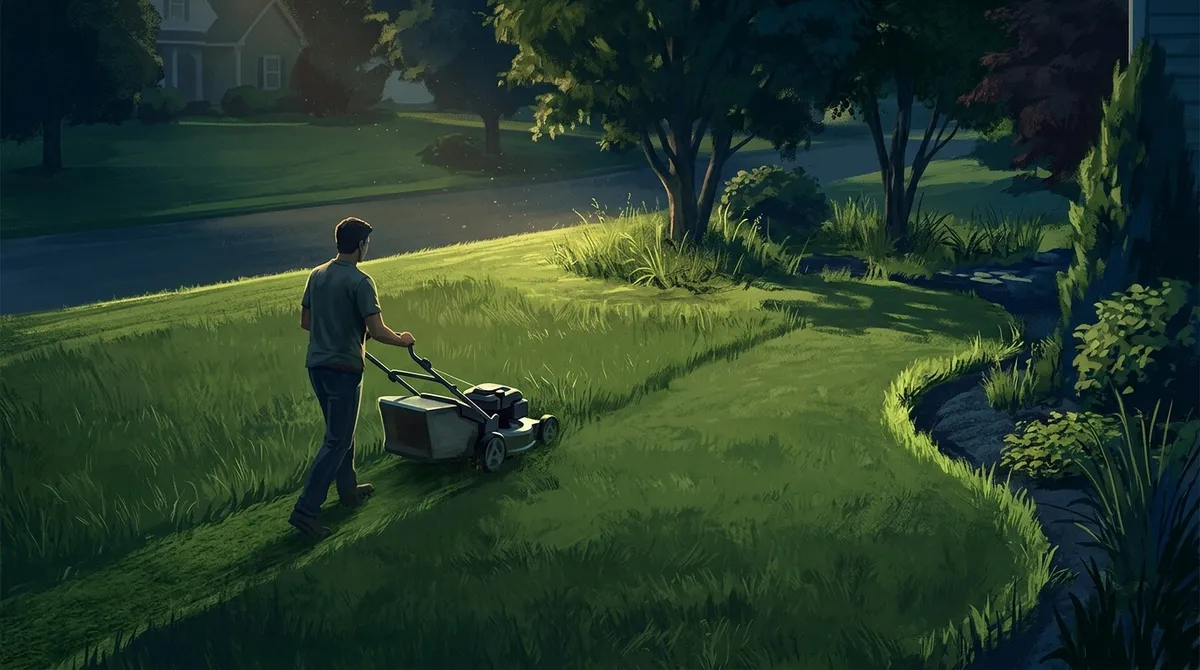
- You get a consistent height first. Mowing sets the baseline grass height across your entire lawn. This helps you see exactly where the edges are and what needs to be trimmed.
- Clippings fall inward. When you mow first, any stray clippings that land near borders and sidewalks get blown back into the lawn — not onto freshly edged lines.
- Edging looks cleaner. After mowing, the grass along borders is already shorter. Your edger cuts a more precise line without fighting through long, overgrown blades.
- You avoid double work. If you edge first, mowing can throw clippings onto your clean edges and mess them up. Then you’d have to touch them up again.
- It saves time overall. Doing things in the right order means fewer mistakes and less clean-up afterward.
You can check out more helpful advice on Lawn Mowing and Trimming Near Me: What to Expect for a deeper look at professional lawn care practices.
What Happens If You Edge First?
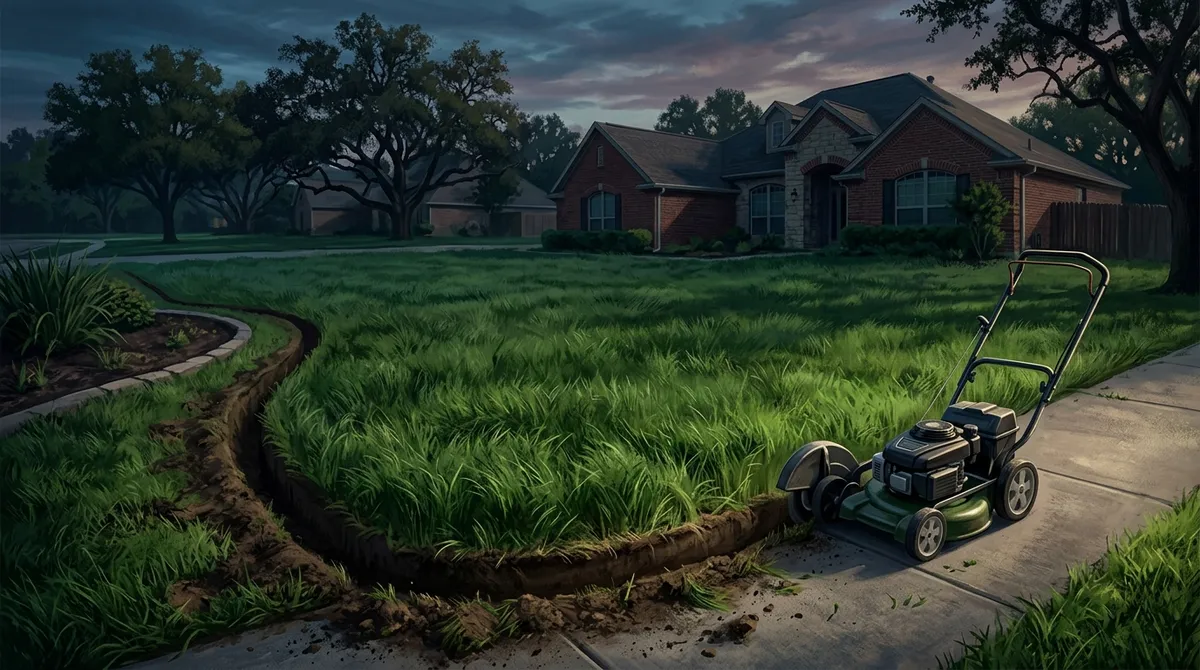
Edging first isn’t a disaster, but it does create some headaches. Here’s what typically goes wrong:
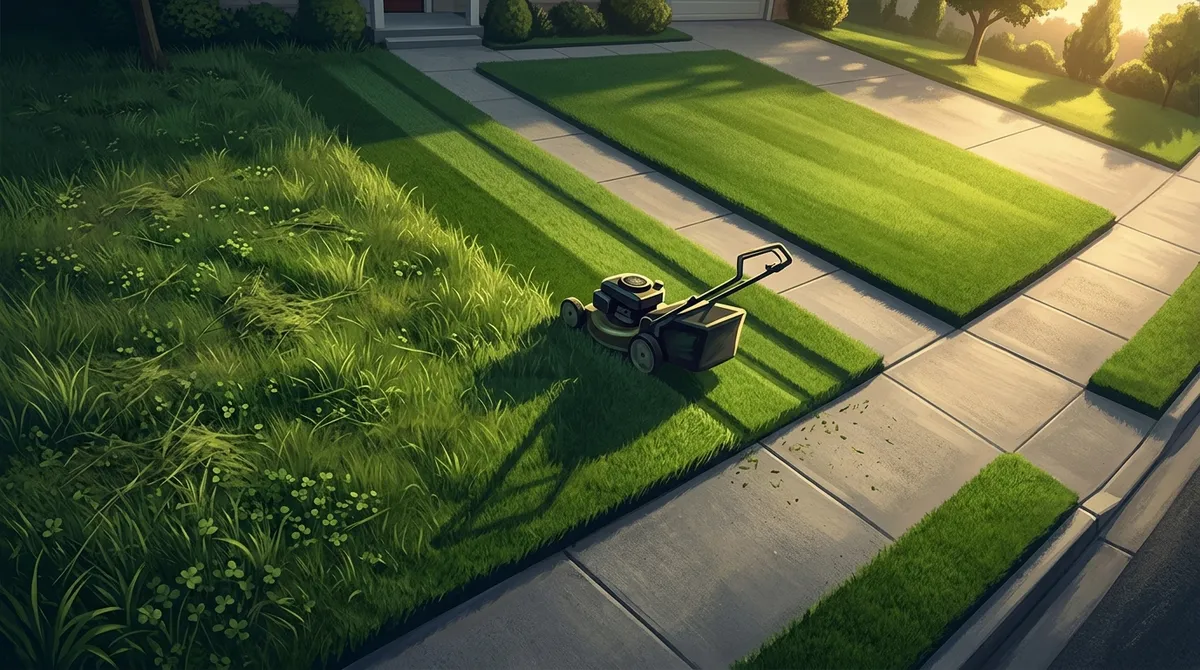
- Mower blows clippings onto your edges. All that clean, crisp edgework gets covered in grass clippings from mowing. You’ll end up having to re-edge or at least blow everything off.
- You can’t see the full picture. Long grass makes it harder to judge where your edges actually need to be. You might edge in the wrong spot or miss uneven areas.
- The finish looks less polished. Edging after a fresh mow always looks sharper because the surrounding grass is already at its proper height.
For homeowners in Bloomingdale who want their yards looking sharp, understanding the right process really matters. 10 Edging and Trimming Mistakes That Ruin Your Lawn is a great resource that covers common mistakes people make with this exact step.
The Complete Lawn Care Order: Step by Step
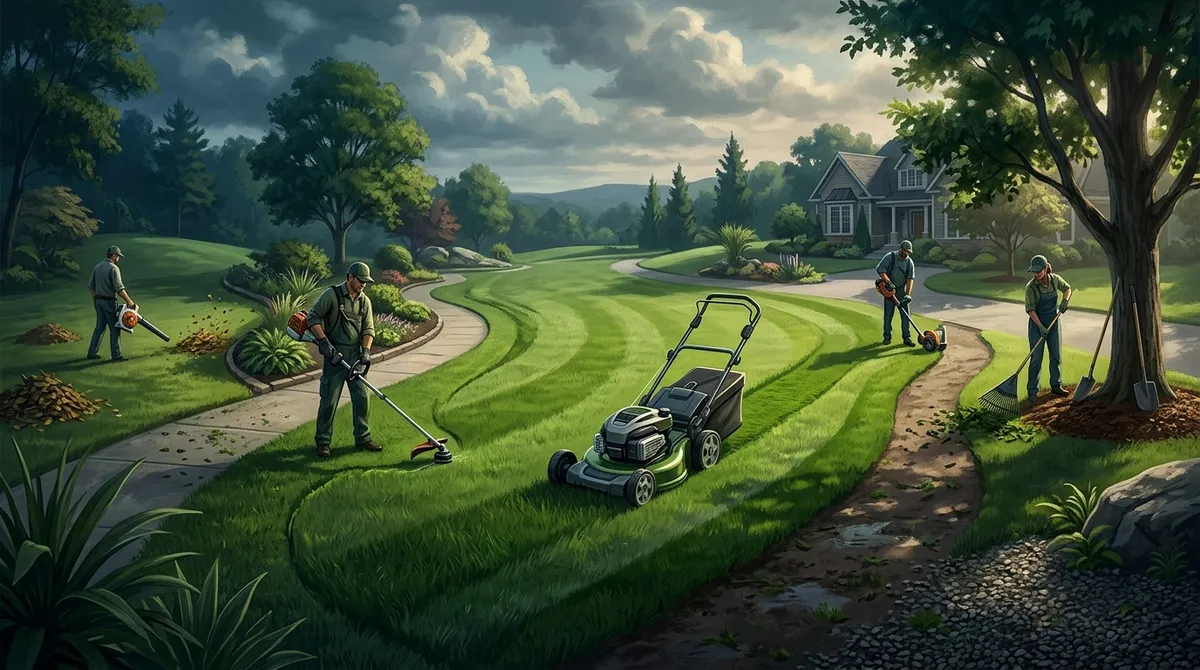
So what’s the full correct sequence for a lawn care session? Here it is laid out clearly:
- Mow the lawn. Cut your grass to the right height. For St. Augustine grass common in Bloomingdale, aim for 3.5 to 4 inches.
- Edge the lawn. Use a stick edger or manual edger along sidewalks, driveways, and garden beds. This creates sharp, defined lines.
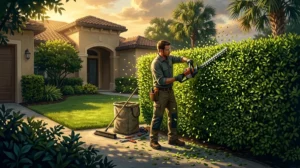
- Trim with a string trimmer. Hit spots the mower couldn’t reach — around trees, fence posts, mailboxes, and flower beds.
- Blow the clippings. Use a leaf blower to push all clippings off hard surfaces like sidewalks and driveways and back onto the lawn or into a bag.
- Final inspection. Walk your yard and check for missed spots, uneven lines, or any areas that need a quick touch-up.
Following this order every single time leads to consistent, professional-looking results. Curious about what this full process looks like? See our Gallery for real examples of beautifully maintained Bloomingdale yards.
Mow vs. Edge: A Side-by-Side Comparison
Here’s a quick breakdown to help you see why order matters:
| Factor | Mow First ✅ | Edge First ❌ |
|---|---|---|
| Clipping mess on edges | Minimal — clippings land in the lawn | High — mowing ruins fresh edges |
| Visual clarity of borders | Easier — shorter grass shows lines clearly | Harder — long grass hides the border |
| Final appearance | Crisp and professional | Can look messy or uneven |
| Time efficiency | One pass is enough | May need to re-edge or touch up |
| Recommended by pros | Yes | No |
Tips for Great Edging Results Every Time
Even when you follow the right order, there are a few extra tips that take your edging from good to great:
- Use a dedicated edger. A stick edger gives much cleaner cuts than a string trimmer alone. It creates a defined vertical edge along sidewalks and driveways.
- Edge when grass is dry. Dry grass cuts more cleanly. Wet grass tends to bend and tear rather than cut sharply.
- Stay consistent on the line. Walk at a steady pace and follow the existing edge. Don’t try to widen or shift it each time — consistency is key.
- Edge every mow session. Skipping edging for a few sessions leads to overgrown borders that are much harder to fix later.
- Blow the debris when done. Always finish by blowing clippings off the sidewalk and driveway. It’s a small step that makes a huge visual difference.
Want to learn more about keeping your Bloomingdale lawn looking great all season? Check out How to Keep Your Lawn Looking Great All Year Long for more practical tips.
Mowing and Edging for Different Lawn Types in Bloomingdale
Bloomingdale homeowners mostly deal with St. Augustine, Bahia, or Zoysia grass. Each type has a slightly different approach when it comes to mowing height, but the mow-first-then-edge rule applies to all of them. Here’s a quick reference:
| Grass Type | Recommended Mow Height | Edging Frequency |
|---|---|---|
| St. Augustine | 3.5 – 4 inches | Every mow session |
| Bahia | 3 – 4 inches | Every mow session |
| Zoysia | 1.5 – 2.5 inches | Every mow session |
Getting mowing height right is just as important as the order of tasks. A modern lawn mower lets you adjust the cutting deck height easily — so there’s no excuse for scalping your grass! For St. Augustine grass specifically, you can read more at Best Mowing Height for St. Augustine Grass: Get a Lush Lawn Year Round.
Should You DIY or Hire a Pro?
Doing your own mowing and edging is totally doable — especially once you know the right order. But let’s be honest: life in Bloomingdale gets busy fast. Between work, family, and everything else on your plate, finding time and energy to properly mow, edge, trim, and blow every week can feel like a lot.
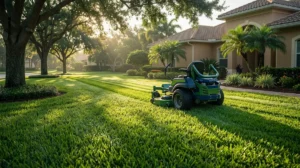
That’s where a professional lawn mowing service really shines. A pro team already knows the right sequence, uses commercial-grade equipment, and knocks out the whole job in a fraction of the time it takes most homeowners. The results speak for themselves — consistent, sharp, professional-looking lawns week after week.
For a deeper look at the trade-offs, DIY Lawn Mowing vs. Hiring a Pro: Which Wins? breaks it all down honestly so you can decide what’s right for you.
How All Trusted Lawn Care Handles It
All Trusted Lawn Care is proud to serve homeowners across Bloomingdale, Valrico, East Brandon, Fishhawk, Boyette, and Riverview. Every visit follows the professional sequence: mow first, edge second, trim around obstacles, then blow clean. This isn’t guesswork — it’s a proven routine that delivers crisp, beautiful results every single time.
The team at All Trusted Lawn Care uses the right equipment, the right techniques, and the right order to make your lawn look its absolute best. You can visit All Trusted Lawn Care on Google to read what our Bloomingdale and surrounding area customers have to say about our work.
Want to see what consistent, professional lawn care can do for your yard? Follow us on All Trusted Lawn Care on Facebook to see before-and-after photos and lawn care tips from our team.
Common Mowing and Edging Mistakes to Avoid
Even with the right order, a few mistakes can still trip you up. Watch out for these:
- Mowing wet grass. It clogs the mower, leaves clumps, and makes edging messy. Wait for dry conditions whenever possible.
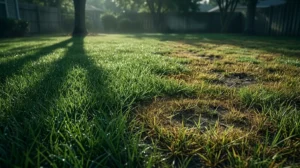
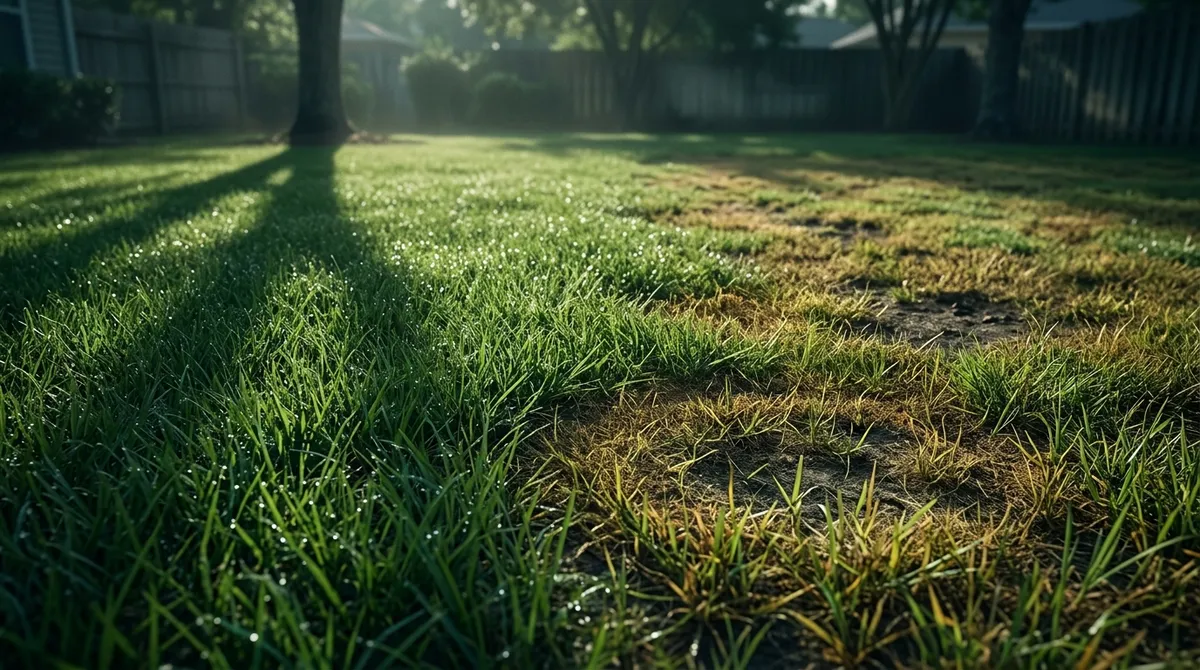
- Cutting grass too short. This stresses the lawn and leads to brown patches. Always follow the recommended height for your grass type.
- Skipping the blower step. Leaving clippings on the sidewalk or driveway makes the whole job look unfinished. Always blow clean at the end.
- Edging too deep or too wide. Aggressive edging removes too much soil and can damage grass roots near the border. Keep it consistent and controlled.
- Waiting too long between sessions. Letting grass get too tall makes both mowing and edging harder. Regular maintenance keeps everything manageable.
For more on mistakes that can hurt your lawn, check out 11 Lawn Mowing Mistakes That Damage Your Grass. It’s packed with useful advice for Bloomingdale homeowners who want to do things right.
Also, don’t miss 10 Reasons to Hire a Lawn Edging Service Near Me in 2026 if you’re thinking about leaving the edging to the professionals this year.
Conclusion: The Right Order Gives You the Best Lawn
So, are you supposed to edge or mow first? The answer is clear: mow first, then edge. This simple sequence gives you cleaner lines, saves you time, and produces a more professional-looking finish every single time. Whether you’re tackling your Bloomingdale lawn on your own or thinking about calling in a pro, now you know exactly how it should be done.
If you’re tired of spending your weekends wrestling with the mower and edger, let the experts handle it for you. Contact All Trusted Lawn Care today and get a free estimate for professional mowing, edging, trimming, and cleanup. Your lawn — and your weekends — will thank you. You can also give us a call at 813-833-1882 to speak with our friendly team right away.
FAQs
Q: Are you supposed to edge or mow first when doing lawn care?
A: You should always mow first, then edge! Mowing sets the grass height across the whole lawn, making it much easier to create clean, sharp edges afterward without clippings ruining your hard work.
Q: How often should you edge your lawn in Bloomingdale, FL?
A: For the best-looking lawn, edge every time you mow — typically weekly during the growing season. Skipping edging for a few sessions lets borders get overgrown, which is much harder to clean up later.
Q: Does edging damage your grass if done too often?
A: Regular edging done correctly is totally safe and actually helps your lawn look its best! The key is to keep a consistent line without cutting too deep or too wide, which can stress the grass roots near the border.
Q: What is the full correct order for a lawn care routine?
A: The pros recommend this sequence: mow first, then edge, then trim with a string trimmer around obstacles, and finish by blowing clippings off hard surfaces. Following this order every time gives you the cleanest, most polished results!
Q: Can a professional lawn service handle both mowing and edging together?
A: Absolutely! Most professional lawn care services include mowing, edging, trimming, and blowing as part of a standard visit. It’s a great way to get a consistently sharp-looking lawn without spending your weekends doing it yourself.