Key Takeaways
-
Mow at the correct height (3.5-4 inches for St. Augustine grass) to avoid weakening roots; scalping the lawn stresses grass and prevents proper water and nutrient absorption.
-
Water deeply 2-3 times per week in early morning (4-10 a.m.), not daily in small amounts; shallow, frequent watering trains roots to stay near the surface, making grass weak and thin.
-
Lawn fungus thrives in warm, humid climates and causes circular brown patches or slimy grass texture; evening watering creates ideal fungus conditions, so switch to morning watering.
-
Inspect and sharpen your mower blade at least twice yearly; dull blades tear grass tips instead of cutting cleanly, making turf vulnerable to disease and weakening individual plants.
-
Excessive thatch buildup blocks water, air, and nutrients from reaching soil, causing spongy lawns and water runoff; regular maintenance and proper mulching help reduce thatch accumulation.
-
Shaded areas (less than 2 hours of direct sun) will naturally thin out regardless of mowing and watering; consider trimming tree canopies, using shade-tolerant grass, or installing sod in heavily shaded spots.
You mow every week. You water on schedule. So why does your lawn still look thin and patchy? You’re not alone. This is one of the most common frustrations homeowners in Bloomingdale, Florida face. The good news? There are real answers — and real fixes. In this article, we’ll walk through 9 reasons why your grass is thinning even though you mow and water regularly. Some of these surprises might make you see your lawn in a whole new way. Whether you’re a busy parent, a new homeowner, or someone who just wants a thick, green yard to be proud of, this guide is for you. Let’s dig in and figure out what’s really going on beneath your feet.
1. You’re Mowing Too Short
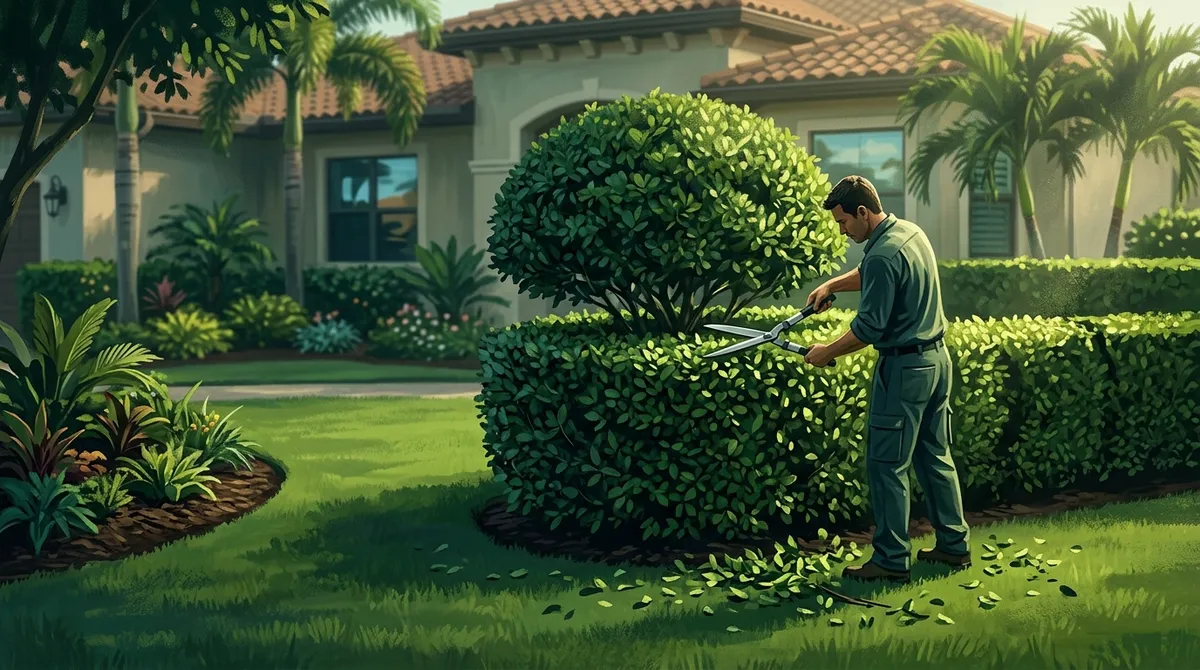
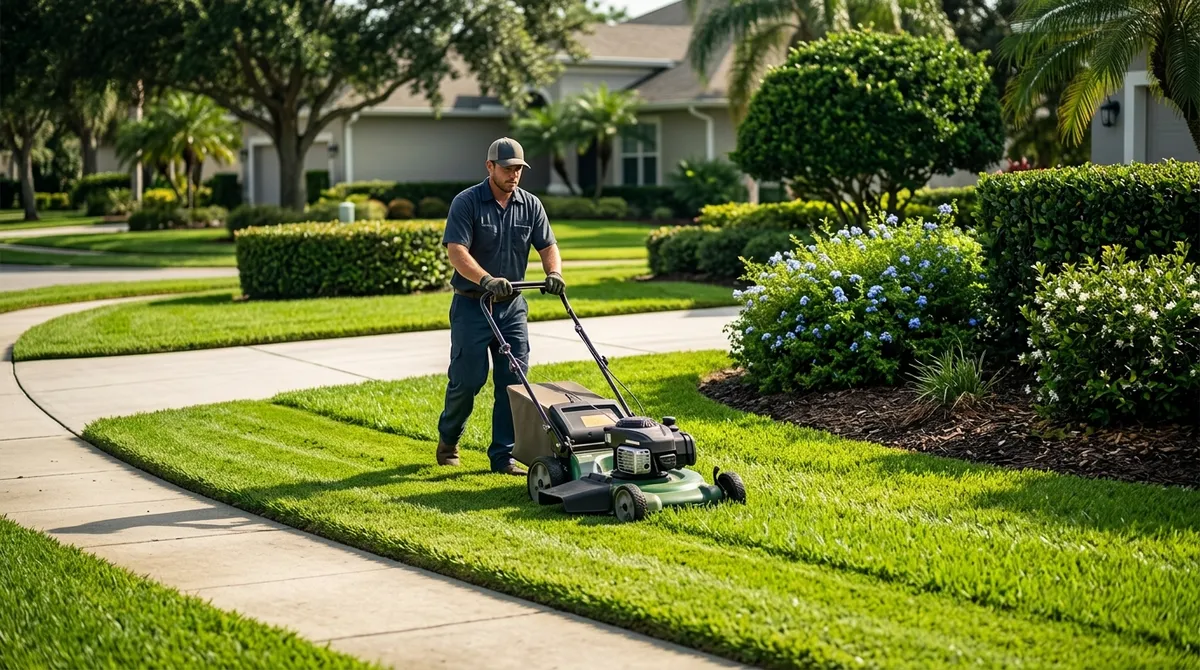
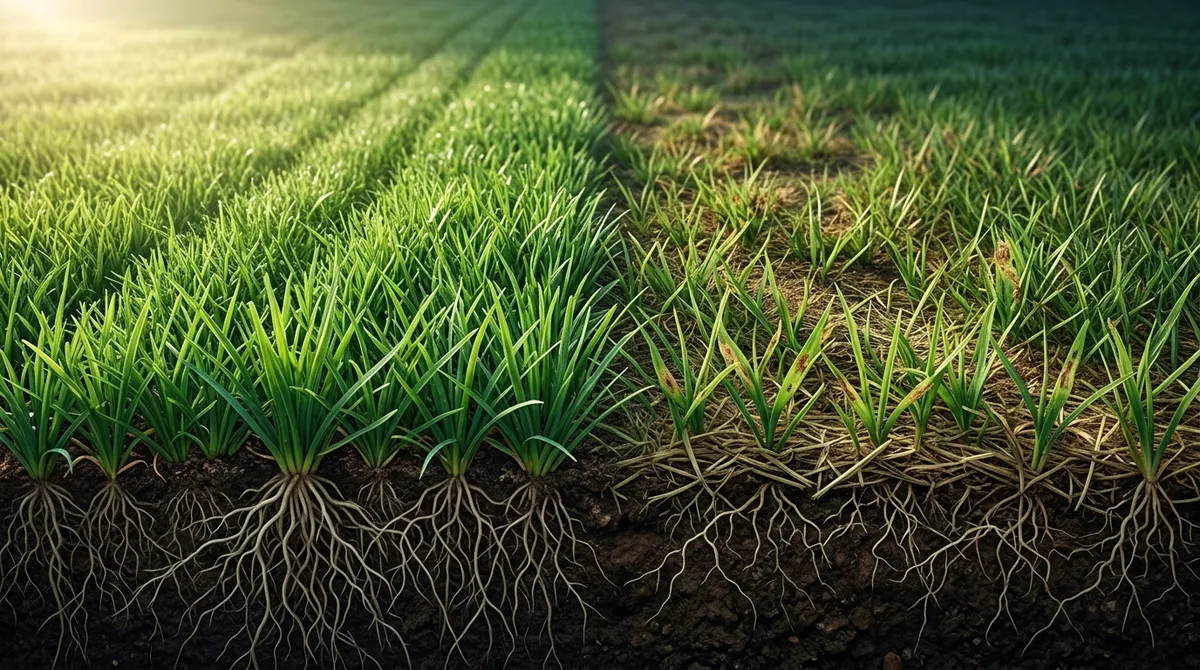
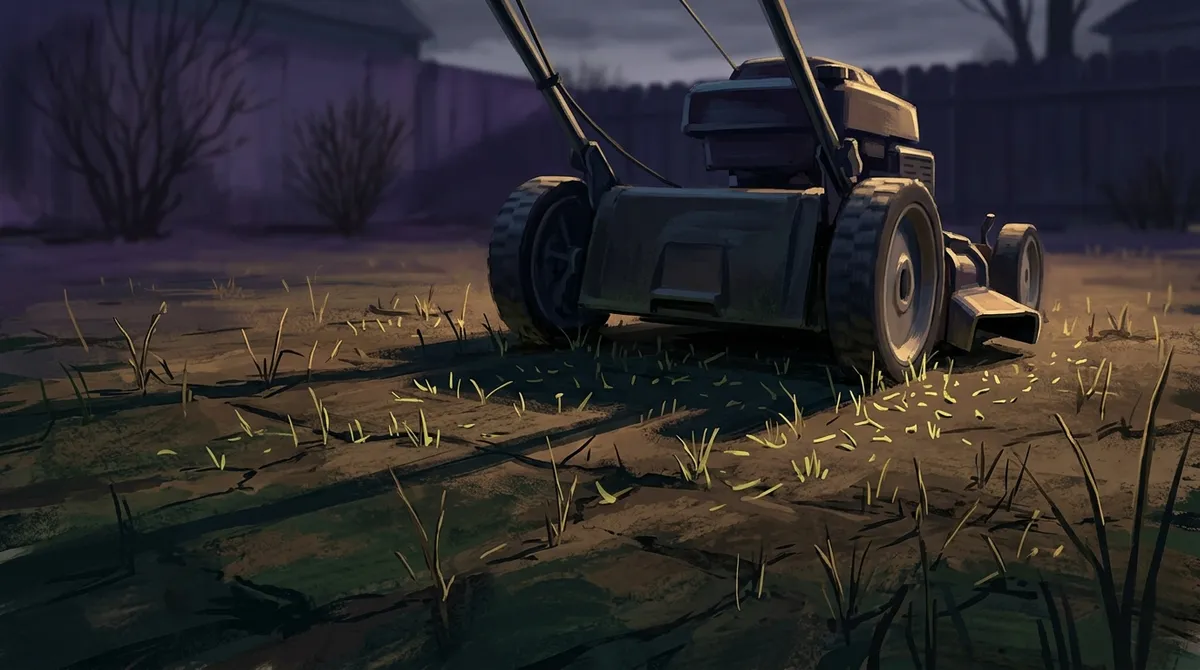
Cutting your grass too low is one of the top causes of thinning. When you scalp the lawn, you stress the grass blades and weaken the root system. Stressed roots can’t absorb water or nutrients properly. Over time, the grass gets thin and bare patches start to show up.
For most Florida grass types like St. Augustine, aim to keep your mowing height between 3.5 and 4 inches. If you’re not sure about the correct grass height for your lawn, it’s worth finding out before your next mow. You can also learn more about the best mowing height for St. Augustine grass to protect your turf year-round.
2. You’re Watering at the Wrong Time
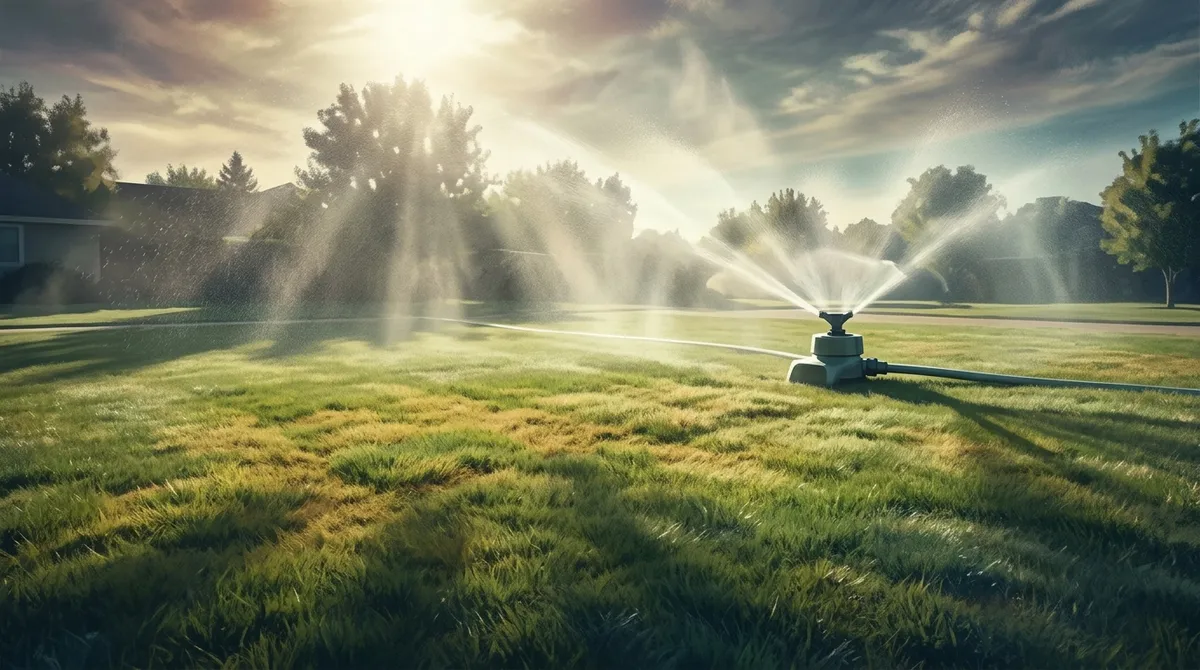
Watering regularly is great — but timing really matters. If you water in the evening, moisture stays on the grass blades overnight. This creates the perfect environment for lawn fungus and disease, which are major causes of thinning grass.
The best time to water is early in the morning, ideally between 4 a.m. and 10 a.m. This gives water time to soak into the soil before the Florida heat kicks in. Watering at the wrong time wastes water and can actually hurt your lawn. Check out this helpful resource on the best time to water grass to get this right.
3. Lawn Fungus Is Quietly Spreading
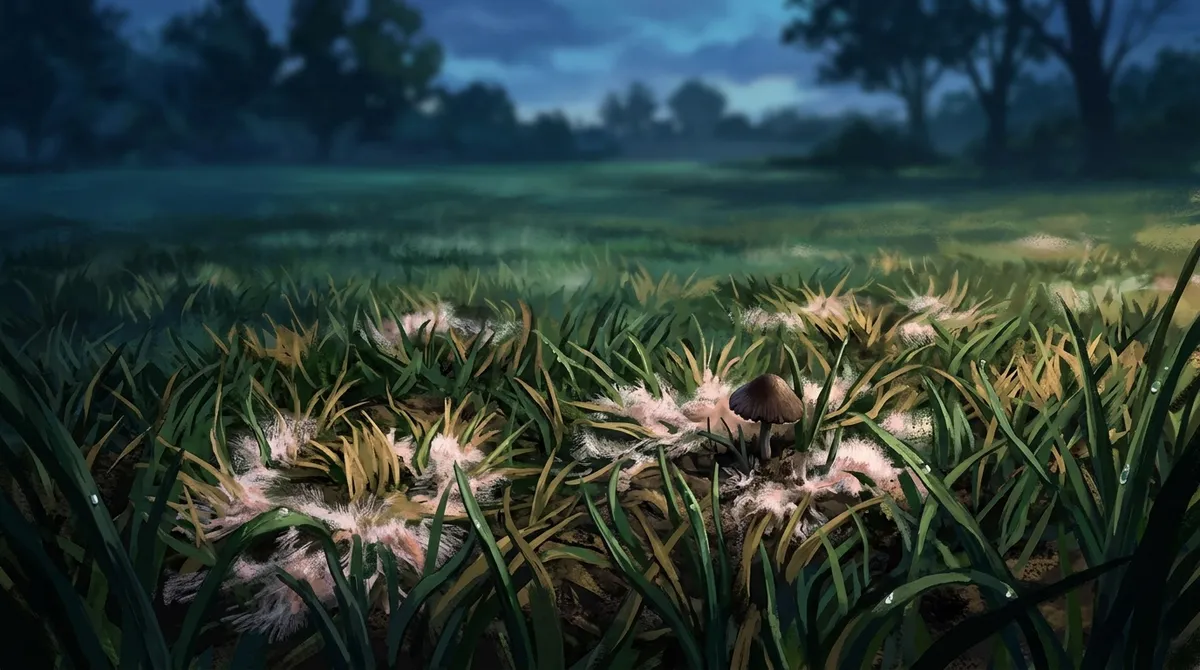
Lawn fungus is sneaky. It can look a lot like drought stress or pest damage at first. But if you notice circular brown patches or a slimy texture on your grass, fungus may be the real culprit. Bloomingdale’s warm and humid climate makes fungal problems especially common.
Fungus weakens and thins grass fast if left untreated. While lawn mowing and maintenance services like those offered by All Trusted Lawn Care can help keep your lawn in top shape, treating active fungus usually requires a specialist. We’re always happy to point you toward trusted local partners for lawn fungus treatment. Learn more about lawn fungus problems in Bloomingdale and what to watch for.
4. You’re Watering Too Frequently in Small Amounts
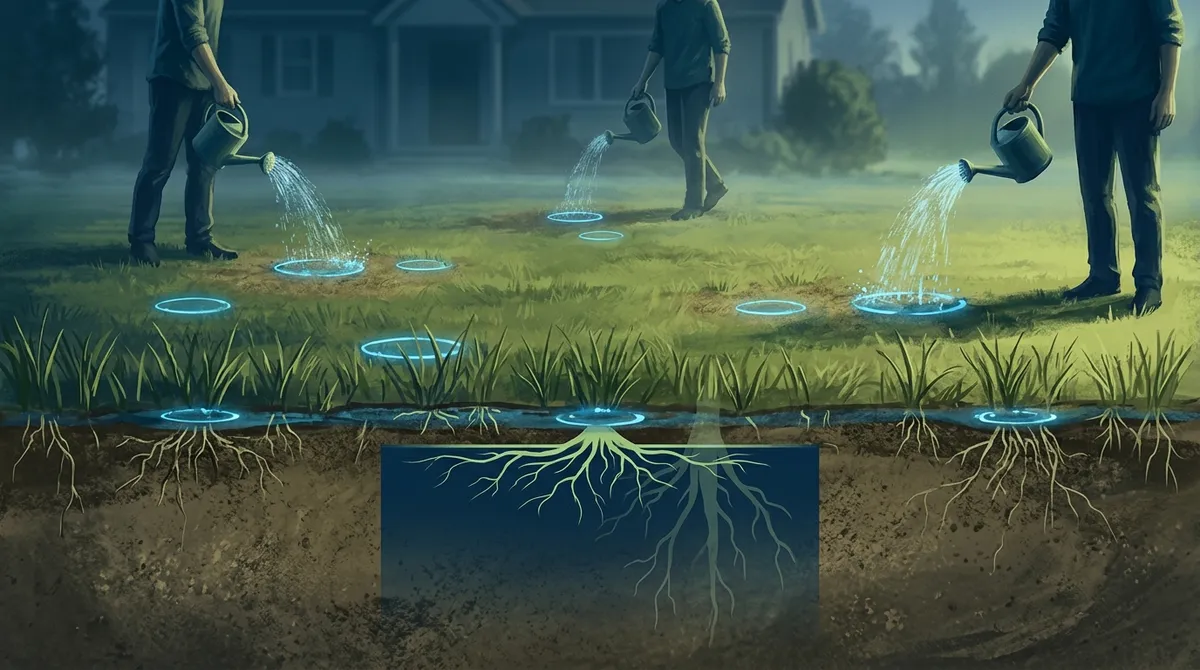
More isn’t always better when it comes to watering. Many homeowners water every day in small amounts. This actually trains grass roots to stay shallow because they don’t need to reach deep for moisture. Shallow roots mean thin, weak turf that struggles in dry spells.
Instead, water deeply two to three times per week. This encourages roots to grow deeper into the soil, making your lawn thicker and more resilient. Deep watering is one of the easiest changes you can make to improve grass density. Here are 6 best times to water your lawn for maximum results.
5. You’re Dealing With Shade Issues
Does your lawn have areas that stay shady most of the day? Grass needs sunlight to photosynthesize and grow thick. Heavily shaded areas will naturally thin out over time, no matter how well you mow and water. Trees, fences, and buildings can all block essential sunlight.
| Shade Level | Effect on Grass | Best Solution |
|---|---|---|
| Light shade (2–4 hrs sun) | Slight thinning over time | Trim tree canopy, use shade-tolerant grass |
| Moderate shade (less than 2 hrs sun) | Significant thinning and bare patches | Consider ground cover or mulch beds |
| Full shade (no direct sun) | Grass will not survive long-term | Sod replacement or landscape redesign |
In Bloomingdale, where many yards have large oak and palm trees, shade is a frequent cause of thinning grass. You might want to explore options like professional sod installation or a landscape design update to address stubborn shady spots.
6. Thatch Buildup Is Choking Your Grass
Thatch is the layer of dead grass, roots, and debris that builds up between the soil and the green grass blades. A little thatch is fine. But too much thatch blocks water, air, and nutrients from reaching the soil. When that happens, your grass slowly thins out from the bottom up.
Here are common signs of excessive thatch buildup:
- Your lawn feels spongy when you walk on it
- Water seems to run off instead of soaking in
- Grass looks dull and doesn’t respond to watering
- You see a thick layer of brownish material at the soil line
- Bare patches keep appearing in the same spots
Regular, consistent lawn maintenance that includes proper mowing techniques can help reduce thatch buildup over time. Lawn mulching done correctly also helps break down clippings rather than adding to thatch.
7. Mowing With a Dull Blade
A dull lawn mower blade doesn’t cut grass cleanly — it tears it. Torn grass blades turn brown at the tips, look ragged, and leave your lawn vulnerable to disease. Over time, repeated tearing weakens each grass plant, causing the overall lawn to thin out.
Here’s a simple way to check your mower blade condition:
- After mowing, look closely at several grass blades
- If the tips look clean and even, your blade is sharp enough
- If the tips look frayed, torn, or brown, your blade needs sharpening
- Have your blade sharpened at least once or twice a year
- Replace the blade entirely if it has large nicks or bends
Professional lawn crews typically keep their blades sharp and well-maintained. That’s one big advantage of hiring a reliable service rather than going it alone. Learn more in our guide on lawn mowing mistakes that damage your grass.
8. Lawn Pests Are Doing Hidden Damage
Grubs, chinch bugs, and other pests can silently destroy your lawn from below or at the surface. You might water and mow perfectly but still see thinning because pests are eating grass roots or feeding on grass blades. In Bloomingdale’s warm climate, pest activity can ramp up quickly.
Signs of pest damage include:
- Irregular brown or yellow patches that don’t recover after watering
- Grass that pulls up easily from the soil (roots chewed through)
- Increased bird activity on your lawn (birds eat grubs)
- Visible insects in the grass when you part the blades
Pest control is a specialized service. While we focus on keeping your lawn mowed and maintained beautifully, we can connect you with trusted local pest control experts. Reach out and call us at 813-833-1882 and we’ll point you in the right direction.
9. Your Lawn Needs Professional Attention and Possibly New Sod
Sometimes, no matter what you do on your own, a lawn reaches a point where it needs professional help. If your grass is severely thinned, has large bare patches, or never seems to recover, it might be time to consider professional sod installation to start fresh with a thick, healthy base.
Here’s how to know when to call in the pros:
- Bare patches cover more than 30% of your lawn area
- Grass looks thin and patchy despite consistent mowing and watering
- You’ve addressed fungus, pests, and shade but still see no improvement
- Your lawn hasn’t recovered after more than two growing seasons of care
A fresh sod installation gives your yard an instant transformation. Check out the All Trusted Lawn Care gallery to see some of the beautiful yard transformations we’ve helped create right here in the Bloomingdale area.
Quick Reference: Common Causes of Grass Thinning
| Cause | Signs to Look For | DIY Fix or Pro Help? |
|---|---|---|
| Mowing too short | Scalped look, brown patches | DIY — raise mow height |
| Wrong watering time | Fungal spots, slow growth | DIY — water in the morning |
| Lawn fungus | Circular brown patches | Pro — specialist treatment needed |
| Shallow watering | Thin, weak turf | DIY — water deeper, less often |
| Too much shade | Persistent thin areas under trees | Pro — sod or landscape redesign |
| Thatch buildup | Spongy lawn, water runoff | Pro — dethatching service |
| Dull mower blade | Frayed, brown grass tips | DIY — sharpen or replace blade |
| Lawn pests | Irregular patches, loose turf | Pro — pest control specialist |
| Severely damaged turf | Large bare patches, no recovery | Pro — sod installation |
What You Can Do Right Now
If you’re wondering why your grass is thinning even though you mow and water regularly, start by checking the simplest things first. Adjust your mow height. Change your watering schedule to mornings. Inspect your mower blade. These small changes can make a surprisingly big difference over just a few weeks.
For bigger problems — like persistent bare patches, possible fungus, or a lawn that just won’t come back — don’t struggle alone. The team at All Trusted Lawn Care proudly serves Bloomingdale, Valrico, Fishhawk, Brandon, and surrounding communities. We offer consistent, professional lawn maintenance services that keep your yard healthy and looking its best week after week. You can also see our recent work and read what our customers say about us on Google — we think you’ll love what you find. Stay connected and follow our latest tips on our All Trusted Lawn Care Facebook page too.
You deserve a lawn you’re proud of. A thick, green, beautiful yard is absolutely within reach — and we’re here to help you get there. Reach out to our team today for a free estimate and let’s get your Bloomingdale lawn back on track!
FAQs
Q: Why is my grass thinning even though I mow and water regularly?
A: Regular mowing and watering are great habits, but they don’t address every cause of thin grass! Issues like mowing too short, watering at the wrong time, lawn fungus, thatch buildup, or pest damage can all cause thinning even with a solid routine. Check your mow height and watering schedule first — those are the easiest wins.
Q: Can mowing too often cause grass to thin out?
A: Yes, mowing too frequently — especially if you’re cutting too short each time — can stress your grass and lead to thinning. Always follow the one-third rule: never remove more than one-third of the grass blade length in a single mow. This keeps your lawn healthy and growing strong.
Q: How do I know if lawn fungus is causing my grass to thin?
A: Lawn fungus often shows up as circular or irregular brown patches that don’t recover after watering. You might also notice a slimy or powdery coating on grass blades. Bloomingdale’s warm, humid climate makes fungus a common issue, so if you see these signs, it’s time to call a fungus treatment specialist.
Q: Will watering more fix my thinning grass?
A: Not necessarily! Overwatering or watering too shallowly can actually make thinning worse. The key is watering deeply and less often — about two to three times per week — and always in the early morning. This encourages deep root growth, which leads to thicker, stronger turf over time.
Q: When should I consider new sod instead of trying to repair my thinning lawn?
A: If bare patches cover more than 30% of your lawn, or your grass hasn’t improved after two growing seasons of proper care, it’s likely time to consider professional sod installation. Fresh sod gives your yard an instant thick, healthy foundation — and a team like All Trusted Lawn Care can help you make that transformation a reality!