Key Takeaways
-
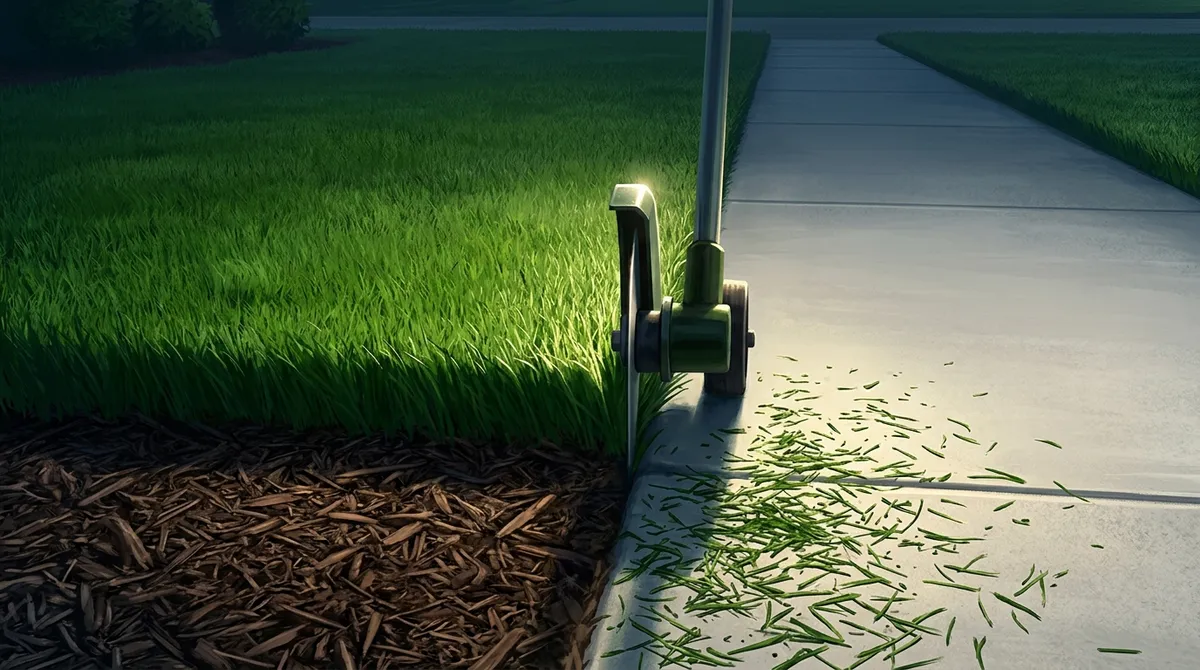
Keep edger blade perfectly vertical when cutting to create clean, sharp lines and prevent grass browning; slanted cuts expose roots and weaken edges over time.
-
Edge once weekly during peak growing season (spring-fall) in warm climates; consistency matters more than frequency, as regular light edging requires less effort than fixing overgrown borders later.
-
Use rotary edgers for straight borders (driveways, sidewalks) and string trimmers for curved garden beds; using the wrong tool produces uneven results.
-
Edge only to create a defined line, not deeply; cutting too deep removes grass at root zone causing bare spots, while edging too frequently stresses the lawn and creates trench-like grooves.
-
Always sweep or blow away clippings immediately after edging; leaving debris makes sidewalks look messier and creates an unfinished appearance despite the actual edging work.
-
Edge garden bed borders regularly to prevent grass from creeping into mulch and choking plants; clean bed edges make mulch installations look sharper and last longer.
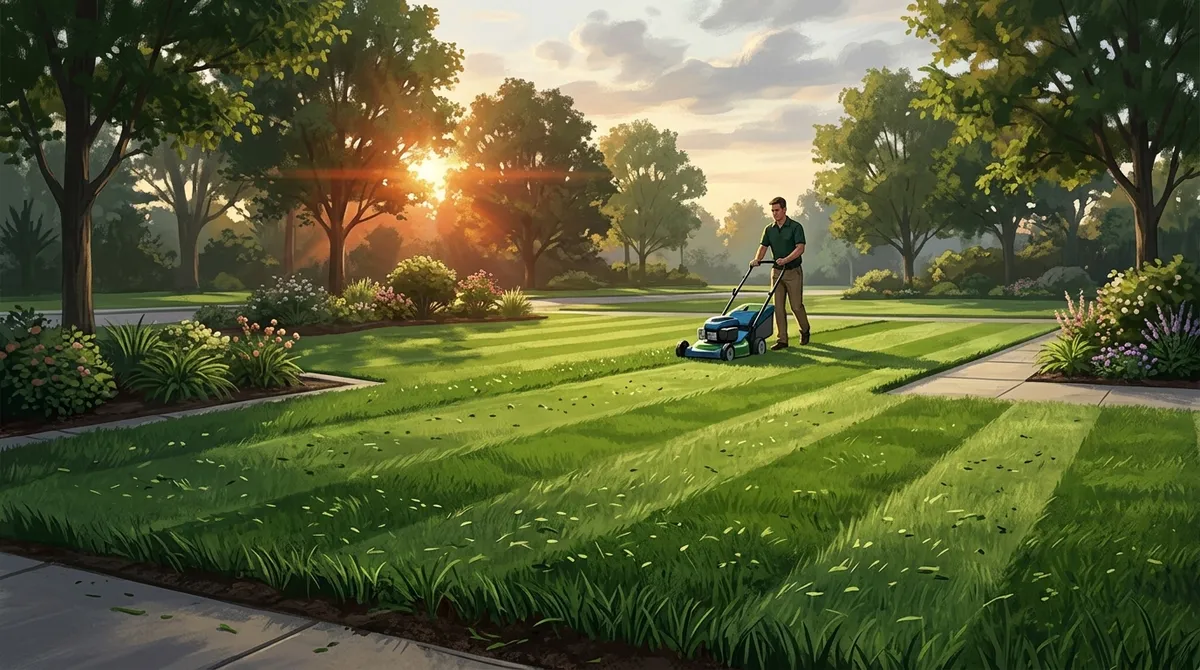
Your lawn could be perfectly mowed and lush green. But if the edges look sloppy, the whole yard feels unkempt. Edging is one of those finishing touches that makes a massive difference in how your lawn looks. It’s the sharp, clean line between your grass and your driveway, sidewalk, or garden beds.
Yet so many homeowners in Bloomingdale, FL make simple edging mistakes that actually hurt their lawn’s appearance. Even worse, some of these mistakes can damage the grass or cause long-term problems. The good news? Every single one of these mistakes is easy to avoid once you know what to look for.
Let’s walk through the 6 most common edging mistakes — and what to do instead. Whether you’re a busy parent, a new homeowner, or someone who just wants a yard that looks polished, this guide is for you.
What Is Lawn Edging and Why Does It Matter?
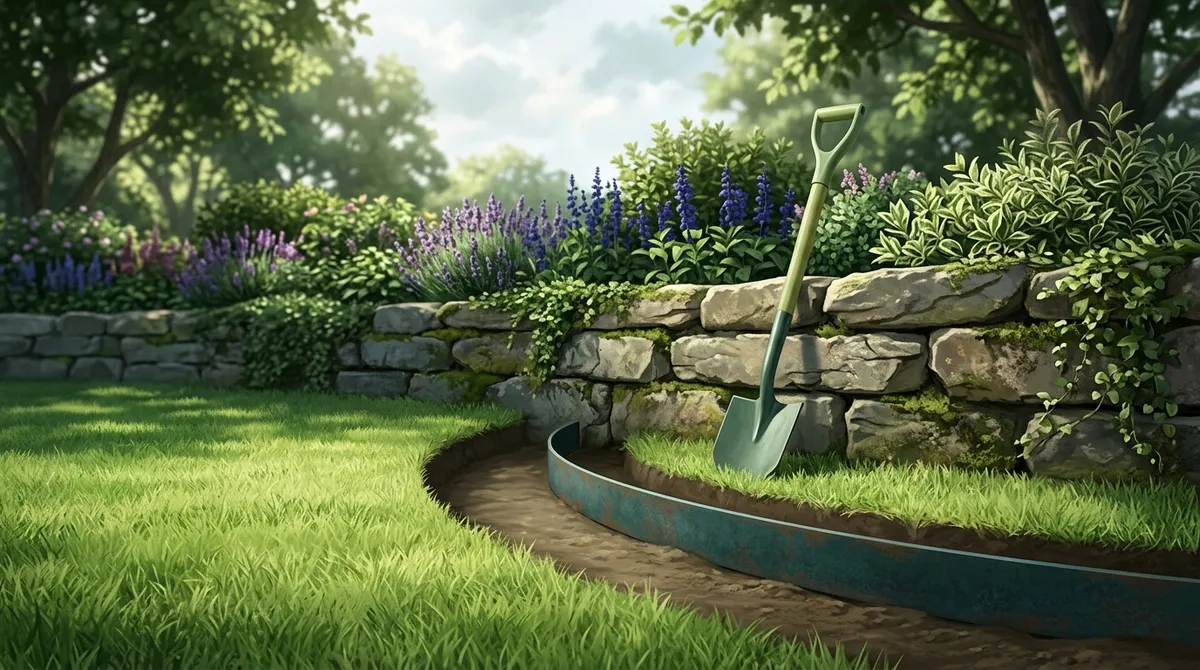
Lawn edging is the process of cutting a clean, defined line along the borders of your grass. This includes along sidewalks, driveways, flower beds, and fence lines. Think of it as giving your lawn a haircut — but for the edges. Good edging makes your yard look neat, intentional, and well-maintained.
Without proper edging, grass tends to creep over borders and look untidy. It’s the difference between a yard that looks professionally maintained and one that looks like it was mowed in a hurry. If you’ve ever driven through a neighborhood and noticed one yard that just pops, chances are it had clean, sharp edges. You can learn more about what professional lawn maintenance includes to understand just how important this step really is.
6 Edging Mistakes That Make Your Lawn Look Worse
Mistake 1: Skipping Edging Altogether
This is the most common mistake of all. Many homeowners mow their lawn regularly but skip edging completely. They figure the mower gets close enough to the borders. It doesn’t.
Without edging, grass slowly grows over hard surfaces like sidewalks and driveways. Over time, this looks messy and is actually harder to fix. Regular edging keeps things tidy and prevents grass from invading areas where it shouldn’t be. Check out this helpful article on edging and trimming mistakes that ruin your lawn for even more insight.
Here’s what skipping edging costs you:
- Grass creeps over sidewalks and looks overgrown
- Edges become ragged and harder to clean up later
- Your whole yard looks less polished, even if the mowing is great
- Curb appeal drops noticeably
- It takes much more effort to fix overgrown edges later
Mistake 2: Edging at the Wrong Angle
When you edge, the blade should be straight up and down — perfectly vertical. Many homeowners tilt the edger at an angle without realizing it. This creates a slanted cut that looks awkward and uneven.
A proper vertical cut creates a clean, sharp line. It also keeps your turf at the right depth. A slanted cut can leave grass too exposed at the root, which causes browning and weak edges over time. Whether you’re doing it yourself or hiring someone, this is one of the most important things to get right. For a deeper look at mowing and edging together, read about lawn mowing and edging mistakes to skip.
Mistake 3: Edging Too Deep or Too Often
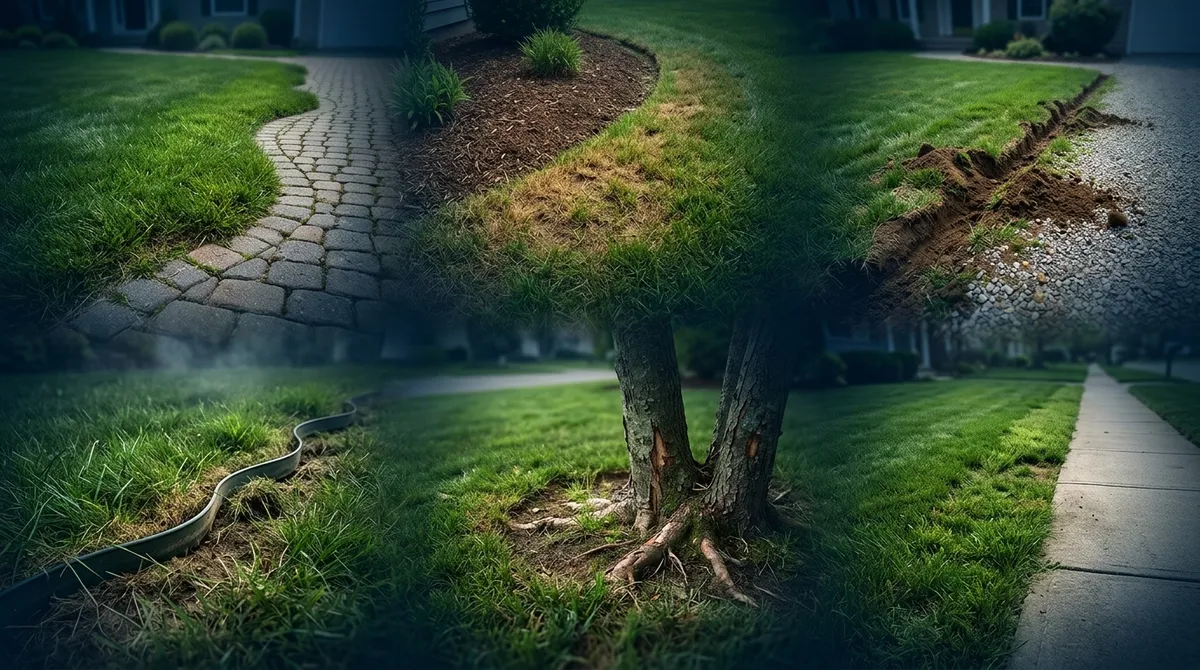
More is not always better when it comes to edging. Cutting too deep can remove healthy grass from the root zone. This leaves gaps, bare spots, and uneven lines along your borders. Over time, it can even create a trench-like look along your sidewalk or driveway — and that never looks good.
At the same time, edging too frequently can stress your grass. In Bloomingdale’s warm climate, grass grows fast during peak season. But that doesn’t mean you need to edge every single time you mow. Once a week or once every two weeks is usually enough during the growing season.
Signs you’re edging too aggressively:
- Visible soil gaps along walkways
- Grass thinning near borders
- A trench forming along the edge of your lawn
- Brown or weak grass along sidewalks
Mistake 4: Using a Dull or Wrong Tool
Using a dull edging blade is like trying to cut bread with a butter knife. You might get the job done, but it’s going to look rough. Dull blades tear grass instead of cutting it cleanly. This causes ragged edges and creates an opening for disease or pests to enter the grass.
There are two main types of edging tools — rotary edgers and stick/string edgers. Each works better in different situations. A rotary edger gives a very clean, defined cut along straight edges like sidewalks and driveways. A string trimmer is better for curved garden beds. Using the wrong tool for the wrong job leads to uneven, frustrating results.
A well-maintained lawn tool always delivers better results than a worn-out one. Keep blades sharp and replace them when needed.
| Edging Tool | Best For | Pros | Cons |
|---|---|---|---|
| Rotary Edger | Straight edges (driveways, sidewalks) | Very clean cuts, easy to guide | Not ideal for curves |
| String Trimmer | Curved beds and borders | Flexible, works on tight spots | Less precise on straight lines |
| Half-Moon Edger | Garden bed borders | Great for redefining bed edges | Manual effort required |
| Power Edger | Large yards, frequent use | Fast and efficient | Higher cost, needs maintenance |
Mistake 5: Ignoring Garden Bed Edges
Most people think about edging along the sidewalk or driveway. But what about your flower beds and garden borders? Grass loves to creep into mulched areas and planting beds. If you don’t edge around these areas, you’ll end up with grass growing into your mulch and choking out your plants.
Clean bed edges also make your mulch installation look much sharper and last longer. A clean line between the lawn and the bed keeps everything defined and attractive. If you’ve ever had mulch that just looked messy, sloppy bed edging is often the reason why.
Here’s a simple 3-step process for edging garden beds:
- Use a half-moon edger or string trimmer to cut along the bed boundary
- Remove any loose clippings or soil that fall into the bed
- Top with fresh mulch to define the edge and suppress weed growth
Mistake 6: Not Cleaning Up After Edging
Edging creates clippings and loose soil along your sidewalks and driveways. Many people just leave this debris sitting there. This is a big mistake. The loose clippings look messy and can actually cause your sidewalk or driveway to look dirtier than before you started.
Always blow or sweep away clippings after edging. It takes just a minute or two and makes an enormous difference in how finished the job looks. This is one of those small steps that separates a basic lawn cleanup from a truly polished result. For tips on making your whole yard look great, check out this guide on lawn cleanup tips that transform your yard fast.
The Right Way to Edge Your Lawn
Now that you know what NOT to do, here’s a quick guide to doing it right. Following these steps will give you clean, professional-looking edges every single time.
- Choose the right tool — Use a rotary edger for driveways and sidewalks, and a string trimmer for curved beds
- Check your blade — Make sure it’s sharp before you start; replace dull blades immediately
- Hold the edger straight — Keep the blade perfectly vertical for a clean, even cut
- Work slowly and steadily — Don’t rush; slow and controlled gives the best results
- Don’t cut too deep — Just enough to create a defined line, not a trench
- Clean up debris — Sweep or blow away all clippings when you’re done
How Often Should You Edge Your Lawn in Bloomingdale?
In Bloomingdale, FL, the warm climate and long growing season mean grass can grow quickly. During peak season (spring through fall), edging once a week is ideal. During slower growth periods in winter, every two to three weeks is usually sufficient.
Consistency is key. The more often you edge, the less work it takes each time. Overgrown edges take much longer to correct than edges that are maintained regularly. This is one of the big reasons many Bloomingdale homeowners hire a professional lawn mowing and trimming service to handle edging as part of their regular maintenance package.
Should You DIY or Hire a Pro for Lawn Edging?
DIY edging can work well if you have the right tools, the time, and the consistency to do it regularly. But for many busy Bloomingdale homeowners, it’s just one more task on an already long list. If you miss a few weeks, overgrown edges can become a bigger project to fix.
Hiring a professional lawn care service takes edging off your plate completely. You get clean, sharp borders every time without lifting a finger. For busy parents, seniors, or anyone who just wants a beautiful yard without the hassle, this is often the smarter choice. Read more about DIY lawn care vs. hiring a pro to help you decide.
Here’s a quick comparison:
| Factor | DIY Edging | Professional Edging |
|---|---|---|
| Cost | Tool purchase + time | Included in lawn service |
| Consistency | Depends on your schedule | Regular and reliable |
| Quality | Varies by skill level | Professional finish every time |
| Time Required | 20-45 minutes per session | Zero time from you |
| Equipment Needed | Must own and maintain tools | Pros bring everything |
Why Edging Is a Key Part of Professional Lawn Care
At All Trusted Lawn Care, edging is always included as part of our regular lawn maintenance visits. We know that mowing alone doesn’t complete the picture. Clean edges are what separate a good-looking lawn from a great-looking one. Our team serves Bloomingdale, Valrico, East Brandon, Fishhawk, Boyette, and Riverview — bringing consistent, professional results to every yard we touch.
When you hire a Bloomingdale lawn care professional, you’re not just paying for someone to push a mower around. You’re investing in a finished, polished look that makes your whole property shine. Follow us on Facebook to see real before-and-after results from lawns in your neighborhood.
Our lawn maintenance service includes mowing, edging, trimming, and cleanup — everything your yard needs to look its best week after week. You can also learn why hiring a lawn edging service near you is worth it in 2026.
Signs Your Lawn Needs Professional Edging Help
Not sure if your edging situation is bad enough to call a pro? Here are some easy-to-spot signs that your lawn’s edges need attention:
- Grass growing over the sidewalk or driveway by more than an inch
- Uneven, ragged lines along your borders
- Grass creeping into flower beds or mulched areas
- Trench-like grooves forming along your edges
- Your yard looking messy even after mowing
- Neighbors’ lawns looking sharper and more polished than yours
If any of these sound familiar, it might be time to let a professional take over. You can also check out the lawn edging guide for Bloomingdale FL for local-specific advice.
And if you’re curious about what a full-service visit looks like, the All Trusted Lawn Care gallery shows real results from real local yards. You can also read what All Trusted Lawn Care customers are saying on Google — the reviews speak for themselves.
Final Thoughts
Edging isn’t glamorous, but it’s one of the most impactful things you can do for your lawn’s appearance. Avoiding these 6 common mistakes will help you get clean, sharp, professional-looking borders every time. And if you’d rather leave it to someone else, that’s a perfectly smart decision too.
A beautiful yard starts with the details, and nothing says “well cared for” like crisp, defined edges. Whether you tackle edging yourself or bring in a professional team, the key is consistency. Don’t let your edges slide — your lawn deserves to look its best from every angle.
Ready to get clean, sharp edges without the hassle? Reach out to All Trusted Lawn Care today for a free estimate, or give us a call at 813-833-1882 — we’d love to help your Bloomingdale yard look its absolute best.
FAQs
Q: How often should I edge my lawn in Bloomingdale, FL?
A: During the spring and summer growing season, edging once a week is ideal for keeping your borders sharp and clean. In slower growth periods like winter, every two to three weeks usually works just fine — consistency is the real secret!
Q: What is the difference between edging and trimming?
A: Edging creates a clean, defined line along hard surfaces like sidewalks, driveways, and garden bed borders. Trimming (or weed eating) cuts grass in spots the mower can’t reach, like around fence posts or tree bases. Both are important parts of a complete lawn maintenance routine!
Q: Can bad edging actually damage my grass?
A: Yes, it really can! Cutting too deep removes grass at the root zone, which leads to bare spots, brown patches, and weakened edges over time. Using a dull blade also tears rather than cuts the grass, leaving it vulnerable to disease — so keeping your tools sharp matters a lot.
Q: Is lawn edging included in professional lawn care services?
A: At All Trusted Lawn Care, edging is always included in our regular lawn maintenance visits — no extra charge or request needed. We believe clean edges are essential to a truly polished yard, so we make sure every visit leaves your borders looking crisp and sharp.
Q: What tool should I use to edge along curved garden beds?
A: A string trimmer held vertically works great for curved garden bed borders because it can follow the natural shape of the bed. For straight edges like driveways and sidewalks, a rotary or power edger gives you the cleanest, most defined cut every time!