Key Takeaways
-
Never cut more than one-third of the grass blade at one time; if your lawn is 4 inches tall, remove only about 1.3 inches per mowing to prevent shock and maintain plant health.
-
For Florida grass types like St. Augustine and Bahia, maintain a mowing height of 3-4 inches; cutting below 2.5 inches damages the plant by reducing photosynthesis and weakening roots.
-
Mowing too short exposes soil to direct sun, causes shallow weak roots, and invites weeds and diseases to thrive in thinned grass canopy.
-
Most Riverview lawns need mowing every 7-10 days during growing season to prevent grass from getting too long and being cut too aggressively in one session.
-
Recovery from scalping requires raising mower deck immediately, deep watering, avoiding heavy foot traffic, and being patient as grass regrows to healthy height.
-
Use sharp mower blades and avoid mowing wet grass, in peak heat, or in the same direction every time to prevent additional stress beyond cutting height.
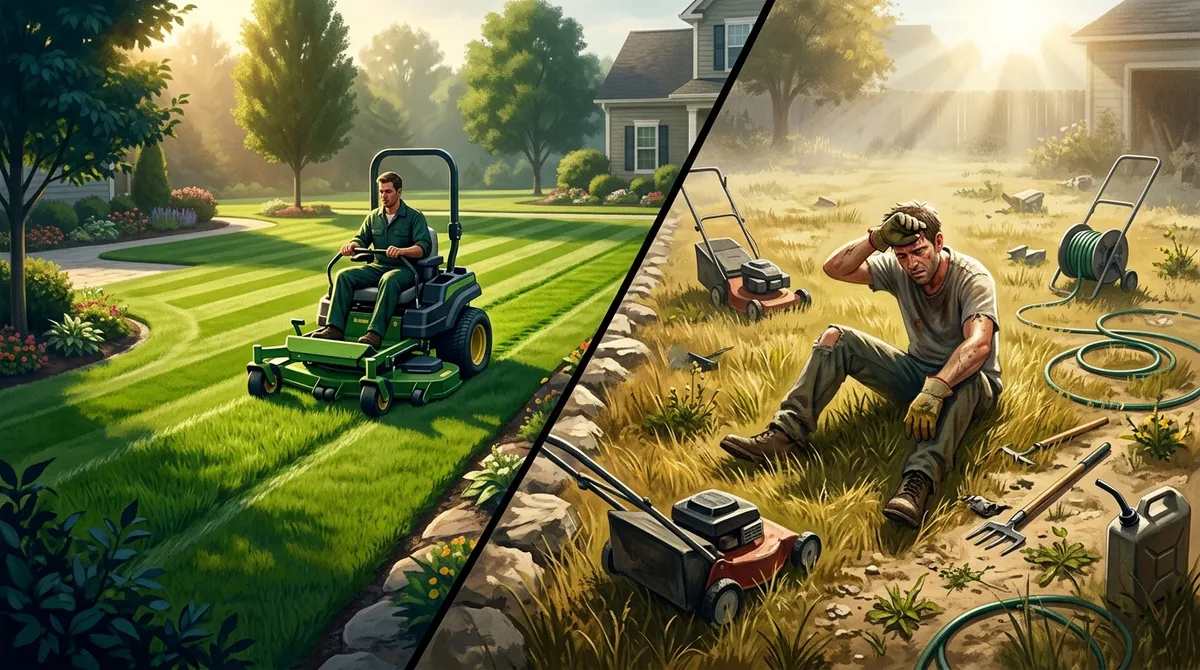
You head outside on a Saturday morning, mower humming, ready to get the yard looking sharp. You figure shorter is better — less mowing next week, right? But then a few days later, your once-green lawn starts looking yellow, patchy, and stressed. Sound familiar? If you’ve been wondering whether mowing your lawn too short can damage it, the answer is a resounding yes. Cutting grass too low is one of the most common — and most damaging — mistakes homeowners make. In this article, we’ll walk you through exactly what happens when you scalp your lawn, how to prevent it, and what the right mowing height looks like for lawns here in Riverview and surrounding communities. Whether you’re a busy parent, a new homeowner, or someone who just wants a yard to be proud of, this one’s for you.

What Does “Mowing Too Short” Actually Mean?
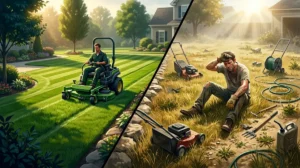
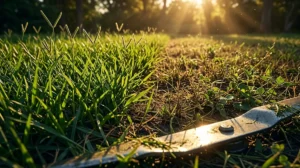
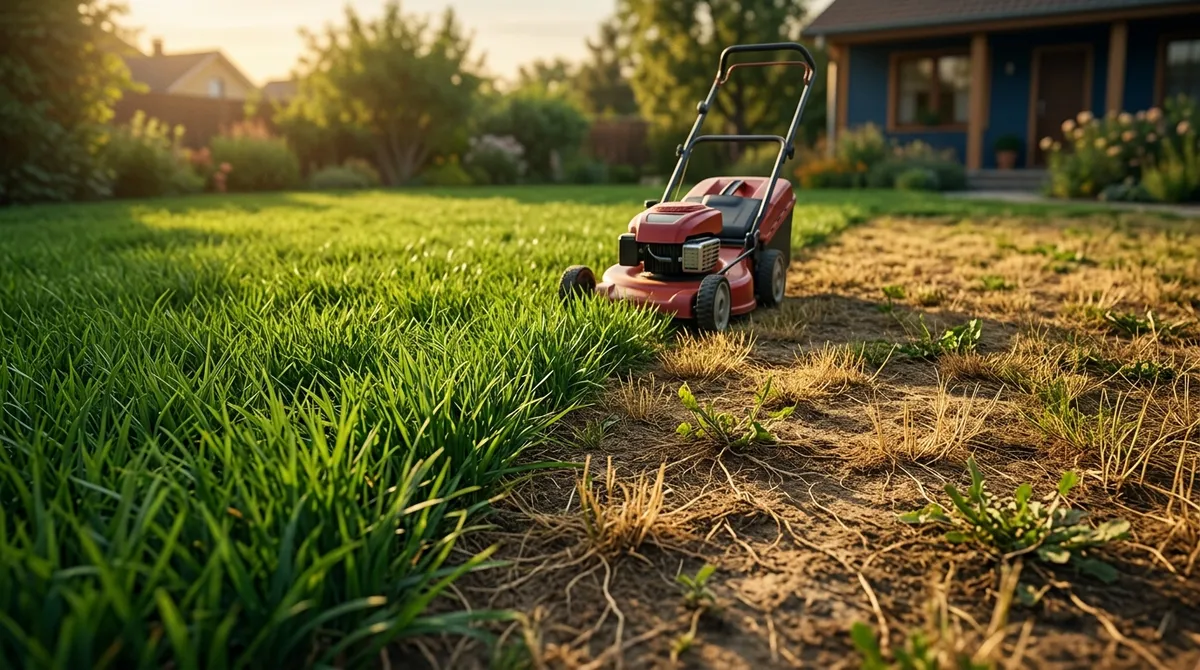
Mowing too short — also called scalping — means cutting your grass below its ideal height range. Every grass type has a healthy minimum height. When you go below that, you’re not just trimming blades. You’re cutting into the plant itself. Think of it like giving someone a haircut so short it nicks the scalp. That’s essentially what’s happening to your lawn.
For common Florida grass types like St. Augustine and Bahia, the recommended mowing height is typically between 3 and 4 inches. If you drop the blade below 2.5 inches or lower, you’re entering dangerous territory. You can learn more about the correct grass height for a healthy lawn to keep your yard in great shape.
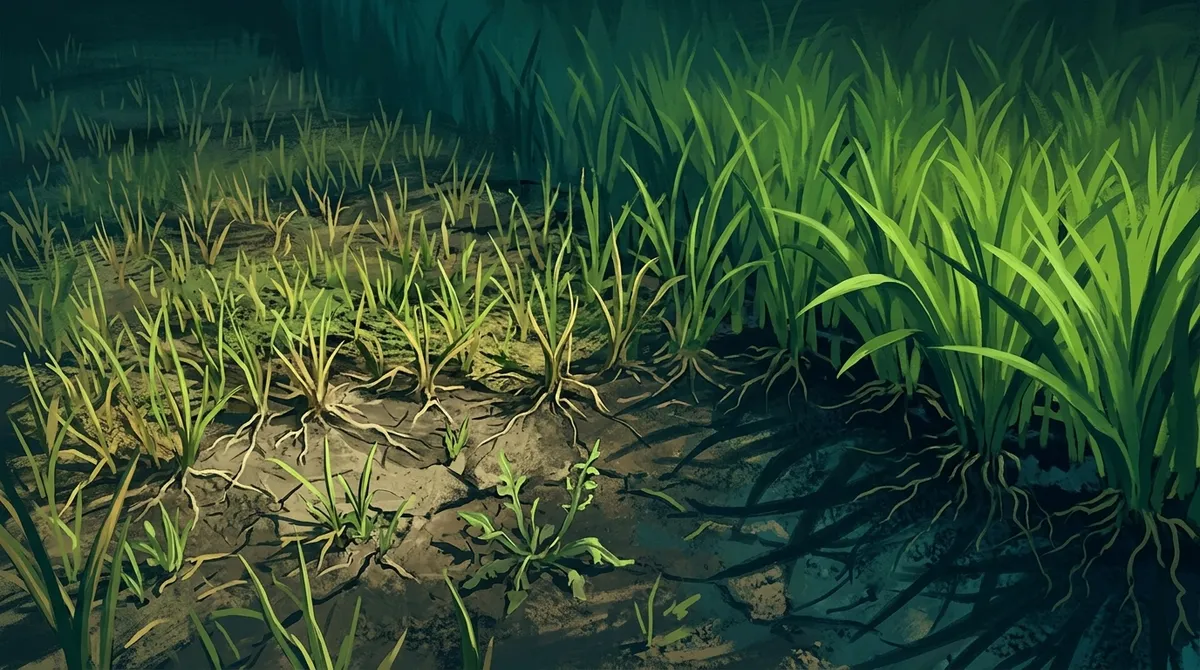
Why Mowing Too Short Damages Your Lawn
Grass blades are more than decoration. They’re actually working parts of a living plant. Here’s what goes wrong when you cut them too short.
1. Grass Loses Its Ability to Photosynthesize
Grass blades capture sunlight and turn it into food for the plant. This process is called photosynthesis. When you cut too much of the blade off, the plant loses its food-making ability. A starved lawn turns yellow quickly and struggles to recover. It’s the same reason plants die when left in the dark too long.
2. Roots Become Shallow and Weak
Healthy grass blades support deep, strong roots. When the blades are cut too short, the roots stop growing deeper and start pulling back. Shallow roots mean less drought resistance. In Florida’s hot, dry spells, a lawn with weak roots will dry out fast — even if you’re watering regularly. You can read more about 14 ways mowing too short can damage your Riverview lawn to see just how wide-ranging the effects can be.
3. Weeds Get a Foothold
Thick, healthy grass crowds out weeds naturally. But when you mow too short, you thin out that protective canopy. Weeds like crabgrass and dollarweed seize the opportunity and move right in. Before you know it, a lawn that was weed-free last month is now covered in unwanted growth.
4. Soil Gets Exposed to the Sun
Short grass can’t shade the soil underneath. When soil bakes in direct Florida sun, it dries out quickly and becomes hard. This makes it harder for grass roots to penetrate and harder for water to soak in. The result? A lawn that looks dry, brown, and patchy no matter how much you water it.
5. Disease and Pests Have an Easier Time
Stressed grass is weak grass. And weak grass is like an open invitation for lawn diseases and insects. Brown patch, gray leaf spot, and chinch bugs all thrive when a lawn is already under stress from being cut too low. Scalped grass simply can’t fight back the way healthy grass can.
The One-Third Rule: Your New Best Friend
Here’s a simple rule that every homeowner should know. Never cut more than one-third of the grass blade at one time. So if your lawn is 4 inches tall, don’t cut more than about 1.3 inches off in a single mow. This keeps the plant healthy and prevents the shock that leads to all those problems we just covered.
Following the 1/3 rule for a healthier, greener lawn is one of the single best things you can do for your yard. It’s simple, it’s free, and it works. You’ll also find that lawns that follow this rule tend to stay thicker, greener, and more weed-resistant over time. For even more insight on why this guideline matters so much, check out 9 reasons the 1/3 rule for lawn mowing changes everything.
Recommended Mowing Heights by Grass Type
Not all grass is the same. Here in Riverview and the surrounding areas, most lawns are made up of one of these common grass types. Each has its own ideal mowing height range.
| Grass Type | Ideal Mowing Height | Minimum Safe Height |
|---|---|---|
| St. Augustine | 3.5 – 4 inches | 3 inches |
| Bahia | 3 – 4 inches | 3 inches |
| Zoysia | 1.5 – 2.5 inches | 1.5 inches |
| Bermuda | 1 – 2 inches | 0.75 inches |
If you’re not sure what type of grass you have, that’s okay. Here are 5 easy ways to know what type of grass you have so you can make the right mowing decisions. You can also check out our guide on the best mowing height for St. Augustine grass, which is the most common lawn type in this region.
Signs You’ve Already Been Mowing Too Short
Wondering if scalping damage has already set in? Here are some telltale signs to look for in your yard:
- Yellowing or straw-colored patches throughout the lawn
- Thin, sparse grass with visible soil showing through
- Rapid weed growth in areas that were recently lush
- Brown edges on grass blades that aren’t from drought
- Lawn feels spongy or hard and crusty rather than soft
- Grass seems slow to recover or grow back after mowing
If you’re noticing any of these signs, don’t panic. Many lawns can recover with the right care. But the first step is raising your mower deck and giving your grass a chance to breathe. You can also learn more about whether cutting your grass too short causes brown patches in Riverview and what to do about it.
How to Recover a Scalped Lawn
If your lawn has already been cut too short, here’s a step-by-step recovery plan to follow:
- Raise the mower deck immediately. Don’t cut below your grass type’s ideal height. This is the single most important step.
- Water deeply but not too often. Deep watering encourages roots to grow down. Avoid shallow, frequent watering that keeps roots near the surface.
- Be patient between mowings. Let the grass grow back to a healthy height before mowing again. Rushing back in too soon will only make things worse.
- Avoid heavy foot traffic. Give your stressed lawn time to recover without extra pressure from kids, pets, or activities.
- Consider overseeding bare spots. If patches are bare, they may need some help getting covered again. Ask a lawn professional about your options.
For lawns that have really taken a beating, professional help can speed up recovery significantly. The team at All Trusted Lawn Care has helped many Riverview homeowners bring stressed lawns back to life with consistent, properly-managed mowing schedules. You can also explore our lawn maintenance services to see how regular professional care can prevent this kind of damage from happening in the first place.
Other Common Mowing Mistakes That Hurt Your Lawn
Cutting too short isn’t the only mowing mistake that can hurt your lawn. Here are a few other habits that cause damage over time:
- Mowing with dull blades: Dull blades tear grass instead of cutting it cleanly. This leads to ragged, brown tips and increases disease risk. A sharp lawn mower blade makes a huge difference.
- Mowing wet grass: Wet grass clumps together and doesn’t cut evenly. It also compacts soil and spreads disease faster.
- Mowing in the same direction every time: Grass starts to lean in one direction, leading to uneven growth and weak spots.
- Mowing during peak heat: Cutting grass in the midday heat adds extra stress to an already hot, thirsty plant.
- Skipping mowing sessions: Letting grass get too long before mowing means you’ll end up cutting off too much at once — the opposite problem but still damaging.
Want to see the full list of mowing habits that could be hurting your grass? Check out 11 lawn mowing mistakes that damage your grass for a complete breakdown. You might also find it helpful to review these 7 lawn mowing mistakes that cost you time and money.
How Often Should You Mow in Riverview?
Here in Riverview, Florida, the growing season is long and the grass grows fast — especially during the warm, humid months. During peak growing season, most lawns need mowing every 7 to 10 days. During slower growth periods in cooler months, you may be able to stretch it to every two weeks.
The key is consistency. Regular mowing at the right height keeps your lawn healthy and prevents the temptation to cut too short when it’s gotten too long. If you want a clear picture of the best schedule for your yard, read our guide on how often you should cut grass in Riverview’s growing season.
Why Professional Mowing Makes a Difference
One of the biggest advantages of hiring a professional lawn care service is that they always mow at the correct height. No guessing, no accidental scalping, no dull blades. Professionals know the grass types common in Riverview, they adjust the mower deck appropriately, and they show up on a consistent schedule so your lawn never gets too long between cuts.
At All Trusted Lawn Care, we’re proud to be a trusted name across Valrico, Riverview, Bloomingdale, Fishhawk, and East Brandon. Our team takes the guesswork out of lawn mowing so you never have to worry about accidentally damaging your yard. You can check out what our customers have to say — visit All Trusted Lawn Care on Google to read real reviews from real neighbors in your community. We’re also listed with the Better Business Bureau, so you can feel confident in the quality and integrity of our service.
What to Expect From a Professional Lawn Mowing Visit
If you’re thinking about switching to professional mowing, you might be wondering what a typical visit looks like. Here’s a quick overview of what a quality mowing service includes:
- Mowing at the correct height for your specific grass type
- Edging along driveways, sidewalks, and curbs for a clean look
- Trimming around trees, fences, and garden beds
- Blowing clippings off hard surfaces like driveways and walkways
- Checking for any visible signs of stress or damage
For a full picture of what to expect, visit our page on lawn mowing and trimming: what to expect. You’ll also find information about our service schedule and pricing for Riverview-area homes. We also encourage you to follow us on Facebook to see recent work and stay updated on seasonal lawn care tips.
Take the Guesswork Out of Mowing Your Lawn
Mowing your lawn too short is a really common mistake, but it’s also one of the easiest to fix once you know what to look for. The key takeaways are simple: follow the one-third rule, know your grass type, mow at the right height, and stay consistent with your schedule. A healthy lawn starts with healthy mowing habits.
If your lawn has been looking stressed and you’re not sure why, it might be time to get a professional set of eyes on it. Contact All Trusted Lawn Care today and let us help you build a mowing routine that keeps your yard green, thick, and beautiful all year long. You can also give us a call at 813-833-1882 to get a free estimate and find out how easy it is to have a professional team handle your lawn so you can enjoy it instead of stressing over it.
FAQs
Q: How short is too short when mowing my lawn in Florida?
A: For most Florida grass types like St. Augustine and Bahia, anything below 3 inches is considered too short. Cutting lower than that stresses the plant, weakens the roots, and opens the door to weeds and disease. When in doubt, keep your mower deck high and follow the one-third rule!
Q: Can my lawn recover after being mowed too short?
A: Yes, in most cases your lawn can bounce back — but it takes time and the right care. Raise your mower deck immediately, water deeply a few times a week, and avoid heavy foot traffic while the grass recovers. For badly scalped lawns, a professional mowing service can help speed up the recovery process.
Q: What is the one-third rule for mowing?
A: The one-third rule simply means you should never cut more than one-third of the grass blade’s length in a single mowing session. So if your grass is 4 inches tall, cut no more than about 1.3 inches off at a time. This keeps the grass healthy and avoids the shock that comes from cutting too aggressively.
Q: Does mowing too short cause weeds to grow?
A: It absolutely can! Short grass thins out the lawn’s natural canopy, which normally shades out weed seeds and prevents them from germinating. When the canopy is gone, weeds like crabgrass and dollarweed take advantage of the open soil and sunlight — and they grow fast. Keeping your grass at the proper height is one of the best natural defenses against weeds.
Q: How often should I mow my lawn in Riverview, FL?
A: During the growing season (spring through early fall), most Riverview lawns need mowing every 7 to 10 days to stay healthy. In cooler months when growth slows down, you may be able to go every two weeks. The goal is to stay consistent so you’re never cutting off too much at once — which is what leads to scalping in the first place.