Key Takeaways
-
Mow only dry grass to prevent tracks: wet grass blades flatten and stick together, taking days to recover, especially in humid climates like Florida.
-
Rotate your mowing pattern weekly (north-south, east-west, diagonal) to prevent grass from being trained to lay flat in permanent paths.
-
Keep grass at the correct height for your type: St. Augustine at 3.5-4 inches, Bahia at 3-4 inches; short grass can't bounce back after compression.
-
Lighter mowers (60-100 lbs) create far fewer tracks than riding or zero-turn mowers (400-800+ lbs) that sink into soft soil.
-
Check tire pressure and avoid mowing stressed grass during drought or extreme heat when blades are more vulnerable to damage.
-
If tracks persist longer than a week in the same spots, you may have soil compaction requiring aeration or professional soil care.
You just finished mowing your lawn, stepped back to admire your work, and noticed something frustrating — tire tracks running across your grass. Those dark lines and pressed-down paths can make a freshly cut lawn look messy instead of neat. If you’ve ever wondered why do lawn mower tracks show in my grass, you’re definitely not alone. This is one of the most common questions homeowners in Riverview, Florida ask about lawn care.
The good news? Lawn mower tracks are usually easy to understand and fix. In this article, we’ll walk you through the main reasons tracks appear, how to prevent them, and when it might be time to call in a professional. Whether you’re a busy parent, a new homeowner, or a senior looking for easier yard care, this guide is for you.
What Causes Lawn Mower Tracks in Grass?
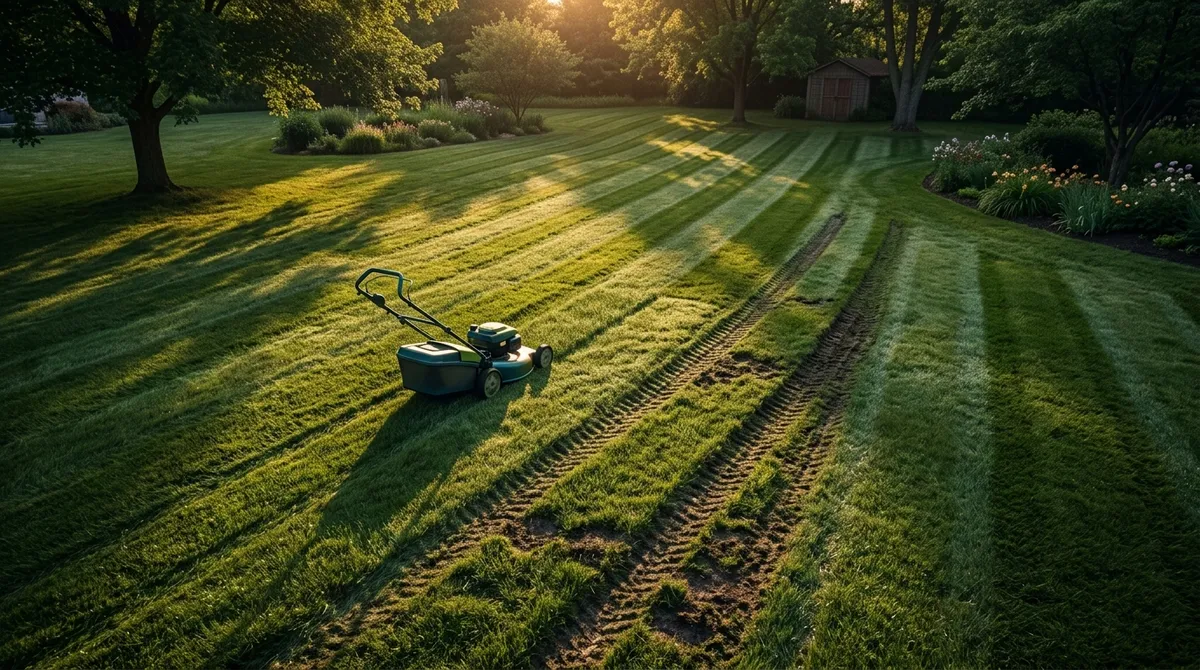
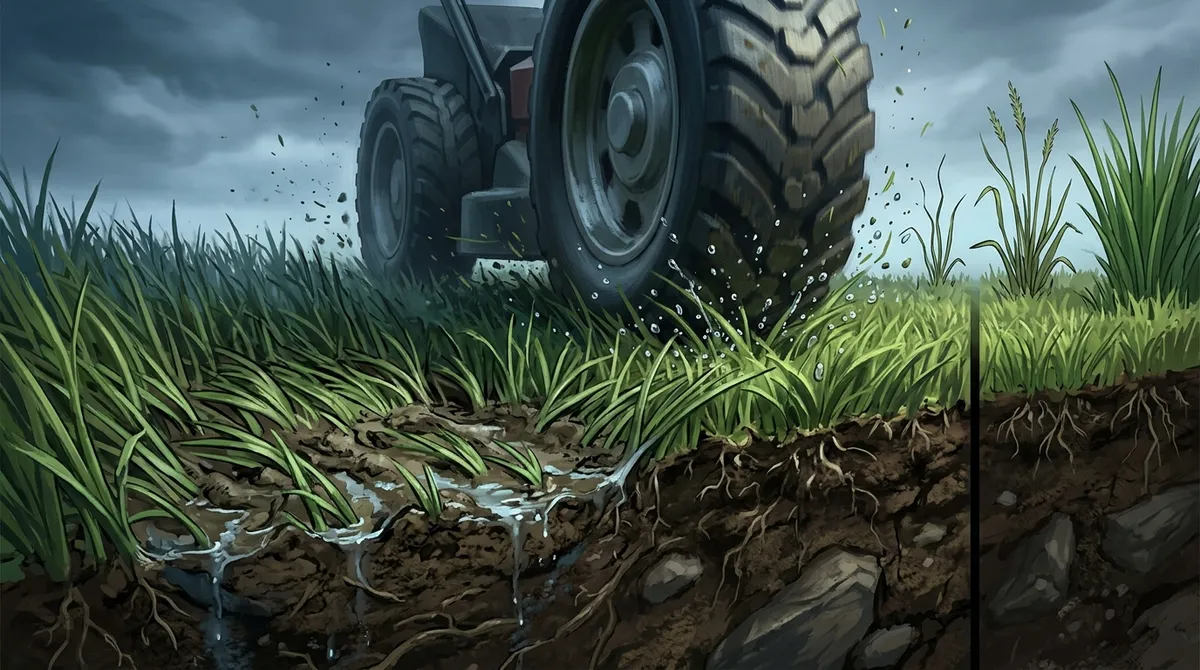
Lawn mower tracks form when the weight of the mower presses down on grass blades and soil. Several factors can make this worse. Understanding these causes is the first step toward a track-free lawn.
Here are the most common reasons lawn mower tracks show in your grass:
- Wet grass: Mowing after rain or watering causes blades to bend and stay flat longer
- Compacted soil: Hard soil underneath doesn’t spring back easily after pressure
- Mowing the same pattern every time: Repeated paths create permanent-looking ruts
- Heavy lawn mowers: Riding mowers and zero-turn mowers are especially heavy
- Low cutting height: Cutting grass too short leaves fewer blades to bounce back
- Grass type: Some grass species are more sensitive to pressure than others
In Riverview’s warm, humid climate, grass like St. Augustine and Bahia is common. These grass types can show mower tracks more noticeably during the hot summer months. You can learn more about how mowing height affects St. Augustine grass to protect your lawn better.

Why Does Mowing on Wet Grass Make Tracks Worse?
Wet grass is one of the biggest culprits behind visible mower tracks. When grass is damp, the blades bend and lie flat under weight. They also stick together, which makes it harder for them to spring back up quickly.
Wet soil is also softer. This means the mower’s wheels sink in slightly, creating deeper impressions. These impressions take much longer to recover — sometimes days if the weather stays humid.
Here’s a simple rule: wait until your lawn is dry before mowing. In Riverview, FL, afternoon thunderstorms are common from spring through summer. Try mowing in the morning after the dew has dried, or wait a day after heavy rain. This one tip alone can dramatically reduce how much you notice lawn mower tracks in your grass.
Curious about the best time to water your grass so you can plan your mowing schedule around it? Timing really does make a big difference.
Does Mowing Pattern Affect Track Visibility?
Yes, absolutely! This is something many homeowners overlook. If you mow in the exact same direction every single week, you’re training the grass to lie flat in one direction. Over time, this creates visible paths that look like permanent tracks.
Professional lawn care crews know this well. They rotate mowing patterns regularly to keep the grass growing upright and evenly. Here’s a simple rotation you can follow:
- Week one: Mow north to south across your yard
- Week two: Mow east to west in the opposite direction
- Week three: Mow diagonally from one corner to another
- Week four: Mow diagonally in the opposite diagonal direction
Rotating your pattern gives each area of grass a chance to recover. It also gives your lawn that professional, striped look you see on well-maintained yards. Check out these lawn mowing habits that keep your yard beautiful for more helpful tips.
How Mower Weight Affects Your Grass
The heavier the mower, the deeper the tracks. Riding mowers can weigh anywhere from 400 to over 800 pounds. Zero-turn mowers are also quite heavy. That’s a lot of pressure on your grass and soil.
Push mowers and walk-behind mowers weigh much less, usually between 60 and 100 pounds. They create far fewer visible tracks, especially on soft or damp ground.
Here’s a quick comparison to help you understand the impact:
| Mower Type | Approximate Weight | Track Risk Level | Best For |
|---|---|---|---|
| Push/Walk-Behind Mower | 60–100 lbs | Low | Small to medium yards |
| Self-Propelled Mower | 80–120 lbs | Low to Medium | Medium yards |
| Riding Mower | 400–600 lbs | High | Large yards |
| Zero-Turn Mower | 500–800+ lbs | High | Large, professional use |
Professional lawn crews learn how to minimize track damage even with heavy equipment. They use wider tires, correct tire pressure, and smart mowing patterns to keep your grass looking great. If you’re noticing a lot of damage from a heavy mower, it might be time to consider whether DIY mowing or hiring a pro is the better option for your yard.
The Role of Cutting Height in Track Visibility
Cutting your grass too short makes tracks far more noticeable. When grass blades are long enough, they can spring back up after being pressed down. Short grass has less blade to work with, so it stays flat longer.
This is called “scalping” when taken to the extreme. Scalping removes so much of the blade that the grass can’t recover well. It leaves your lawn looking streaky and damaged.
For Riverview lawns, here are the recommended mowing heights by grass type:
- St. Augustine grass: 3.5 to 4 inches for best health and appearance
- Bahia grass: 3 to 4 inches to stay thick and resilient
- Zoysia grass: 1.5 to 2.5 inches depending on variety
- Bermuda grass: 1 to 2 inches for optimal growth
Keeping your grass at the right height also helps it handle the Florida heat better. Learn more about the correct grass height for a healthy lawn to avoid common mistakes. Also, following the 1/3 rule for mowing means you never cut more than one-third of the blade at once, which keeps your grass strong and bounce-ready.
How to Prevent Lawn Mower Tracks from Showing
Preventing lawn mower tracks is easier than fixing them after the fact. Here’s a step-by-step plan you can follow:
- Always mow dry grass: Wait until morning dew has evaporated before starting
- Rotate your mowing pattern: Change direction each week to prevent rutting
- Set the right cutting height: Never cut more than one-third of the blade at once
- Keep mower tires properly inflated: Low tire pressure spreads weight out unevenly
- Avoid mowing stressed grass: During drought or extreme heat, grass is more vulnerable
Also, consider how often you’re mowing. In Riverview, FL, during the growing season from spring through early fall, weekly mowing is often best. Letting grass get too long before cutting forces you to remove more, which puts extra stress on blades and makes tracks more obvious. Read more about how often to cut your grass in Florida.
Will Lawn Mower Tracks Go Away on Their Own?
In most cases, yes — lawn mower tracks will fade within a few days to a week. Healthy, well-maintained grass bounces back quickly. Watering your lawn after mowing can help the blades stand back up faster.
However, if the same tracks keep appearing week after week in the same spots, you may have a deeper problem. Repeated compaction can create actual ruts in the soil, not just bent grass blades. At that point, the soil itself needs attention.
Signs that your tracks might be more than surface-level include:
- Tracks that stay visible for more than a week
- Grass that looks thin or brown along track lines
- Sunken areas that you can feel underfoot
- Hard, dry soil along the mowing paths
If you’re seeing these signs consistently on your Riverview lawn, it could mean your soil needs some care. While All Trusted Lawn Care focuses on mowing and lawn maintenance, we’re always happy to connect you with trusted local partners who can help with soil care and aeration. Just give us a call at 813-833-1882 and we’ll point you in the right direction.
When Should You Call a Professional Lawn Care Service?
Sometimes the best solution is to let the experts handle your lawn. Professional mowers know how to use equipment properly to minimize track damage. They also bring experience, the right equipment, and trained eyes to spot problems early.
Here are some situations where calling a pro makes great sense:
- Your lawn keeps showing deep, stubborn mower tracks
- You don’t have time to mow properly every week
- You’re not sure what mowing height or pattern is right for your grass
- You want a consistently beautiful lawn without the weekend work
- You’re a senior or someone with physical limitations who finds mowing difficult
A professional lawn maintenance service can handle everything for you on a regular schedule. For homeowners in Riverview, East Brandon, Bloomingdale, Fishhawk, and surrounding communities, All Trusted Lawn Care in Riverview is a trusted choice for reliable, consistent lawn care. You can also visit us on Google — All Trusted Lawn Care to read what local homeowners are saying about our service.
We’re also proud to be listed with the Better Business Bureau, so you can hire with confidence. You can also follow us on Facebook for helpful lawn care tips and updates about our services.
Comparing DIY Mowing vs. Professional Mowing for Track Prevention
Wondering if the DIY approach or a professional service does a better job at preventing lawn mower tracks? Here’s a simple side-by-side look:
| Factor | DIY Mowing | Professional Mowing |
|---|---|---|
| Pattern Rotation | Easy to forget or skip | Done consistently every visit |
| Timing (dry grass) | Depends on your schedule | Professionals time visits well |
| Cutting Height | Needs careful adjustment | Set correctly for your grass type |
| Equipment Condition | Depends on owner upkeep | Well-maintained, sharp blades always |
| Consistency | Can vary week to week | Same quality every visit |
Understanding the most common lawn mowing mistakes can help you avoid track problems whether you mow yourself or hire help. It’s also worth checking the history and mechanics of lawn mowers to better understand how equipment weight and design affect your grass.
Final Tips to Keep Your Riverview Lawn Track-Free
Keeping your lawn free of visible mower tracks doesn’t have to be hard. With a few smart habits and the right approach, your grass can look lush and even after every mow.
- Always wait for dry conditions before mowing your lawn
- Rotate your mowing direction every single week without fail
- Mow at the right height for your specific grass type
- Avoid mowing during the hottest part of the day in Florida summers
- Check that your mower tires are at the correct pressure before each use
If you want to take the guesswork out of lawn care completely, consider professional lawn mowing services from a team that knows Riverview lawns inside and out. Our full range of lawn care services includes everything you need to maintain a beautiful, healthy yard year-round.
Conclusion
Lawn mower tracks showing in your grass are a common frustration, but they’re totally manageable. The biggest causes are mowing wet grass, using the same pattern every week, cutting too short, and using heavy equipment on soft soil. Fortunately, small changes to your mowing routine can make a huge difference in how your lawn looks.
If you live in Riverview, FL, or the surrounding communities of Bloomingdale, East Brandon, Fishhawk, Boyette, or Valrico, and you’d love a beautifully maintained lawn without the hassle, we’d love to help. Reach out to All Trusted Lawn Care today to get a free estimate and see what professional lawn care can do for your yard. Or simply call us at 813-833-1882 — we’re always happy to chat about your lawn!
FAQs
Q: Why do lawn mower tracks show in my grass after every mow?
A: Lawn mower tracks show in your grass mainly because the mower’s weight presses down the blades, especially on wet or soft ground. If you always mow in the same direction, the grass gets trained to lay flat along those paths. Switching up your mowing pattern each week and mowing only dry grass can make a big difference!
Q: How long does it take for lawn mower tracks to go away?
A: For most healthy lawns, mower tracks fade within a few days to a week. Watering your lawn lightly after mowing can help the grass blades stand back up faster. If tracks last longer than a week in the same spots, it could be a sign of soil compaction that needs extra attention.
Q: Does cutting grass short make mower tracks worse?
A: Yes, cutting grass too short definitely makes mower tracks more noticeable. Shorter grass has fewer blades to bounce back after being pressed down, so it stays flat longer. Always follow the recommended mowing height for your grass type — for St. Augustine in Riverview FL, that’s about 3.5 to 4 inches.
Q: Can a professional lawn care service prevent mower tracks?
A: Absolutely! Professional lawn care crews are trained to rotate mowing patterns, set the right cutting heights, and time their visits for dry conditions. These habits greatly reduce visible tracks and keep your lawn looking neat and healthy. It’s one of the biggest advantages of hiring a pro!
Q: Is mowing wet grass bad for my lawn beyond just leaving tracks?
A: Yes, mowing wet grass can cause several problems beyond just visible tracks. It can spread lawn diseases, cause uneven cuts, and clog your mower deck with clippings. In Florida’s humid climate, it’s always best to mow when your grass is dry to protect both your lawn and your equipment.