Key Takeaways
- Prioritize soil health as the foundation of a beautiful lawn, using proper nutrients and pH balance to create naturally resilient grass
- Follow the one-third mowing rule by cutting no more than one-third of grass blade height to develop deeper roots and healthier turf
- Water deeply but infrequently, aiming for 1 inch per week in early morning to encourage strong root growth and prevent disease
- Adjust lawn maintenance seasonally, with specific care strategies for spring, summer, fall, and winter to support grass health
- Embrace sustainable practices like mulching clippings, using native grasses, and minimizing chemical treatments to create an eco-friendly lawn
- Consider professional lawn care services for complex maintenance, renovations, or when personal time and expertise are limited
Picture this: you’re standing in your front yard on a Saturday morning, coffee in hand, looking at your lawn and wondering why your neighbor’s grass looks like a golf course while yours resembles a patchwork quilt. You’re not alone in this struggle! Residential lawn care in 2026 has evolved far beyond just pushing a mower around every weekend. Today’s approach combines smart technology, sustainable practices, and time-tested techniques that work together to create healthier, more beautiful lawns with less effort than you might think.
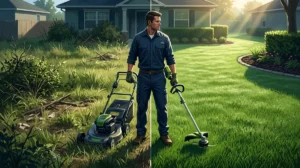
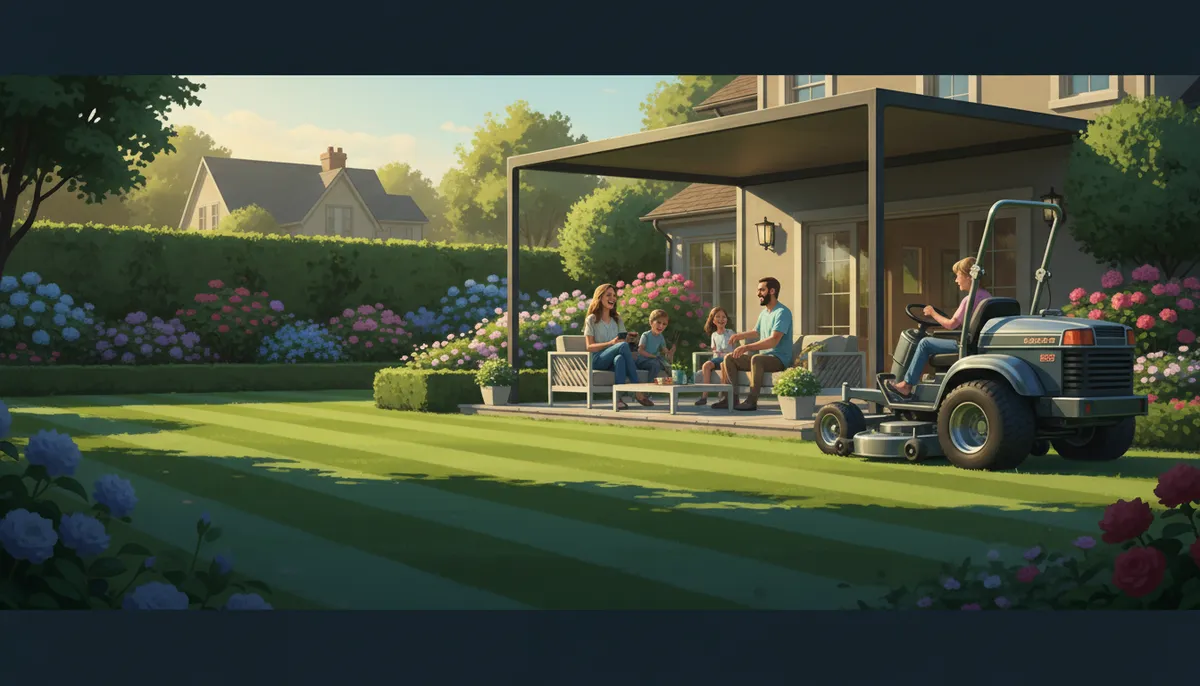
Whether you’re a busy professional who barely has time to think about grass height, a new homeowner trying to figure out what all those lawn care tools are for, or someone who simply wants a yard that makes you proud when guests arrive, understanding modern residential lawn care is your first step toward lawn success. The good news? Creating a magazine-worthy lawn doesn’t require a degree in horticulture or hours of backbreaking work every weekend. Let’s explore what makes residential lawn care in 2026 different and how you can achieve the lawn you’ve always wanted.

Understanding the Basics of Modern Residential Lawn Care
Residential lawn care today focuses on working smarter, not harder. The foundation of a healthy lawn starts underground with your soil, which acts like a nutritious meal for your grass roots. Think of it like baking a cake—you can’t expect great results with poor-quality ingredients. Your soil needs the right balance of nutrients, proper pH levels, and good structure to support lush grass growth.
The modern approach emphasizes three core principles that every homeowner should understand. First, healthy soil creates healthy grass that naturally resists weeds and disease. Second, choosing the right grass type for your specific climate and yard conditions saves countless hours of frustration. Third, consistent maintenance schedules prevent small problems from becoming expensive disasters. These principles work together like gears in a machine—when one part functions well, everything else runs smoothly.
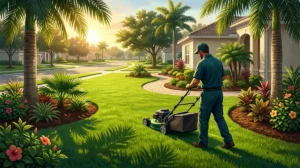
For homeowners in Valrico, East Brandon, Bloomingdale, and Fishhawk, understanding your local climate and soil conditions makes all the difference. Our warm Florida weather creates unique opportunities and challenges that require specific approaches. Professional lawn maintenance services can help you navigate these local conditions and create a customized care plan that fits your yard’s specific needs.

The Science Behind Proper Mowing Techniques
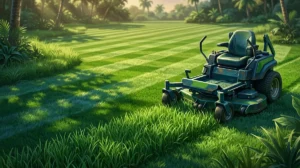
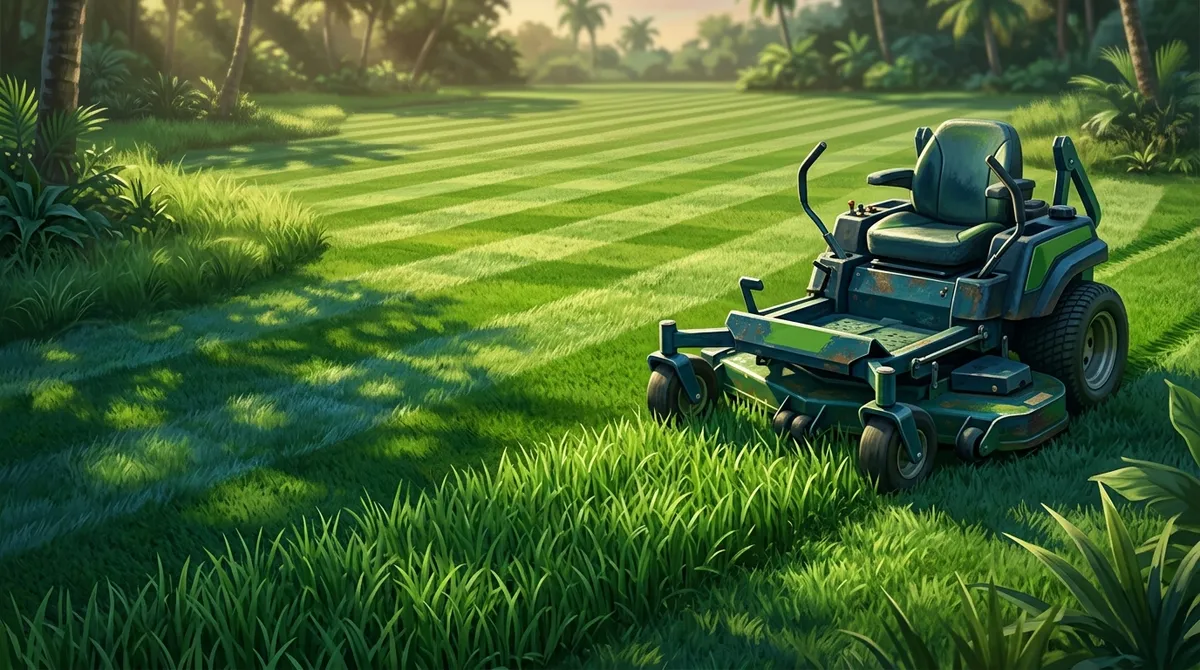
Mowing seems simple—just cut the grass when it gets too tall, right? Not quite! The way you mow your lawn dramatically impacts its overall health and appearance. The golden rule of mowing, called the one-third rule, states you should never remove more than one-third of the grass blade height in a single mowing session. When you follow this principle, your grass develops deeper roots that access more water and nutrients while naturally crowding out weeds.
Here’s what happens when you cut your grass correctly:
- Grass plants develop stronger, deeper root systems that improve drought resistance
- Your lawn becomes naturally thicker, leaving less room for weeds to establish
- The grass blades maintain enough surface area for efficient photosynthesis
- Your lawn recovers faster from mowing stress and looks healthier overall
- You reduce the risk of scalping, which exposes soil and creates bare patches
- The grass stays greener longer because it retains more moisture in the blades
Mowing frequency should adjust with the seasons. During spring’s active growth period, weekly mowing keeps your lawn at the optimal height. Summer’s heat and potential drought may slow growth, allowing you to switch to biweekly mowing. This seasonal adjustment not only saves you time but also aligns with your grass’s natural growth patterns.
Don’t forget about your mower blades! Sharp blades make clean cuts that heal quickly, while dull blades tear the grass, creating ragged edges that turn brown and lose moisture. Sharpening your mower blades at least once per season—preferably twice—keeps your cuts clean and your grass healthy. When you see grass tips turning brown a day or two after mowing, that’s your blade telling you it needs sharpening.
The Benefits of Mulching Your Clippings
Leaving grass clippings on your lawn, called mulching, recycles valuable nutrients back into your soil. Those clippings contain nitrogen, phosphorus, and potassium—the same nutrients you’d pay for in fertilizer. As the clippings decompose, they feed your lawn naturally, reducing your need for additional fertilizer applications by up to 25%. Plus, you save time by not bagging clippings and money by purchasing less fertilizer. It’s a win-win situation that modern homeowners embrace for both economic and environmental reasons.

Watering Wisdom: Getting Moisture Levels Right
Water is life for your lawn, but too much or too little creates problems. Most residential lawns need at least 1 inch of water per week through a combination of rainfall and irrigation. The key is providing that water deeply and infrequently rather than shallow and often. Deep watering encourages roots to grow downward, searching for moisture and creating a more drought-resistant lawn.
Timing matters tremendously when watering your lawn. Early morning watering between 6 and 10 a.m. minimizes evaporation loss and gives grass blades time to dry before nightfall. Wet grass overnight invites fungal diseases that can damage your lawn. Mid-day watering wastes water through evaporation, while evening watering keeps grass wet too long, creating a disease-friendly environment.
Follow this watering schedule for optimal results:
- Check your lawn’s moisture level by walking across it—if footprints remain visible, it’s time to water
- Water deeply to a depth of 6 inches, which typically requires running sprinklers for 30-45 minutes
- Allow the soil to dry slightly between watering sessions to encourage deep root growth
- Adjust watering frequency based on rainfall—use a rain gauge to track natural precipitation
- Reduce watering during cooler months when grass growth naturally slows down
Smart irrigation technology in 2026 makes watering easier than ever. Modern sprinkler controllers connect to weather stations and automatically adjust watering schedules based on rainfall, temperature, and humidity. These systems prevent overwatering during rainy periods and ensure adequate moisture during dry spells, all while reducing your water bill and environmental impact.

Seasonal Lawn Care: Your Year-Round Maintenance Guide
Residential lawn care isn’t a one-size-fits-all, year-round activity. Your lawn’s needs change with the seasons, and adjusting your care routine accordingly produces the best results. Think of seasonal care like maintaining a car—different weather conditions require different approaches to keep everything running smoothly.
Spring Lawn Care Activities
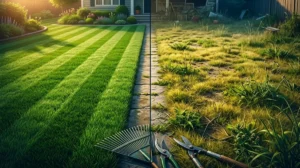
Spring marks the beginning of active growth season when your lawn wakes up from winter dormancy. This is prime time for assessment and preparation. Start by raking away any dead grass or debris that accumulated over winter. This allows sunlight and air to reach the soil surface, encouraging new growth.
Spring tasks include:
- Conducting a soil test to identify nutrient deficiencies and pH imbalances
- Applying pre-emergent weed control to prevent summer weeds from germinating
- Overseeding thin or bare areas to fill in gaps before weeds take hold
- Beginning regular weekly mowing as grass enters active growth phase
- Checking and cleaning irrigation systems to ensure proper function for summer
For those in the Valrico area looking for professional assistance, landscape installation services can help transform problem areas into beautiful, healthy lawn sections that integrate seamlessly with your existing grass.
Summer Lawn Maintenance
Summer brings heat and potential drought stress, requiring a shift in your maintenance approach. Raising your mowing height by half an inch helps grass blades shade the soil, reducing water evaporation and keeping roots cooler. During extreme heat, grass naturally slows its growth, so you might reduce mowing frequency to avoid stressing already-stressed plants.
Monitor your lawn for signs of heat stress, which include a bluish-gray tint, footprints that remain visible long after walking, and wilting grass blades. These signals tell you it’s time to water deeply. Summer is also when you’ll want to stay vigilant about weed control, as warm-season weeds thrive in hot conditions.
Fall Renovation and Recovery
Fall is arguably the most important season for residential lawn care. Mid-August to mid-September represents the optimal time for lawn overseeding and renovation projects. Cooler temperatures and typically higher rainfall create ideal conditions for new grass seed to germinate and establish strong roots before winter.
Late-season fertilization timing depends on your maintenance goals. For low-to-moderate maintenance lawns, one application around Labor Day provides nutrients for fall growth and winter hardiness. Moderate-to-high maintenance lawns benefit from two applications—one in late August and another in October—to maximize fall growth and spring green-up.
This is also the perfect time for leaf clean-up services, which prevent thick leaf layers from smothering grass and creating dead patches over winter. Keeping your lawn clear of debris through fall ensures it enters winter in the best possible condition.
Winter Preparation and Planning
Winter lawn care focuses on preparation and prevention. While grass growth slows dramatically, your lawn still needs attention. Reduce mowing frequency but continue cutting when needed to prevent grass from becoming too long and matting down under snow or frost.
Winter is ideal for planning next year’s improvements, scheduling soil testing, and arranging for spring services. Many homeowners use this quieter season to research new landscape ideas and plan renovation projects that will begin when spring arrives.
Dealing with Common Lawn Problems
Even well-maintained lawns face occasional challenges. Understanding common problems and their solutions helps you address issues quickly before they spread. The key is early detection and appropriate response rather than waiting until problems become severe.
| Problem | Signs to Watch For | Best Solution |
|---|---|---|
| Soil Compaction | Water pools on surface, grass grows poorly, hard soil texture | Core aeration to improve air and water penetration |
| Thatch Buildup | Spongy feel underfoot, water doesn’t penetrate, brown patches | Dethatching or power raking to remove excess organic matter |
| Weed Invasion | Broadleaf weeds, crabgrass, or other unwanted plants spreading | Combination of pre-emergent and targeted post-emergent control |
| Disease Issues | Circular brown patches, fuzzy growth, spotted blades | Improve air circulation, adjust watering, fungicide if severe |
Preventing problems proves easier than fixing them. Maintaining proper mowing height, watering deeply but infrequently, and following seasonal maintenance schedules keeps your lawn healthy enough to resist most common issues. When problems do arise, addressing them promptly prevents minor issues from becoming major headaches.
Sustainable Lawn Care Practices for 2026
Modern residential lawn care increasingly embraces sustainability and environmental responsibility. Homeowners in 2026 recognize that beautiful lawns and environmental stewardship aren’t mutually exclusive—they actually work together. Sustainable practices often reduce maintenance requirements while creating healthier, more resilient lawns.
Incorporating native grasses and adding clover to traditional lawn areas improves biodiversity and reduces fertilizer requirements. Native plants adapted to your local climate need less water, fewer chemicals, and less overall maintenance than non-native alternatives. Clover fixes nitrogen from the air, naturally fertilizing surrounding grass while creating a lush, green appearance that many homeowners love.
Sustainable lawn care strategies include:
- Using electric or battery-powered mowers that produce zero emissions and less noise pollution
- Collecting rainwater for irrigation to reduce municipal water consumption
- Choosing organic fertilizers that release nutrients slowly and improve soil health
- Creating habitat-friendly borders with native plants that support pollinators and beneficial insects
- Minimizing chemical use by promoting natural lawn health and resistance
- Composting yard waste instead of sending it to landfills
These practices benefit both your lawn and the broader environment. You’ll notice reduced maintenance costs, healthier grass that requires fewer interventions, and the satisfaction of knowing your lawn care choices support local ecosystems. Many families with children and pets particularly appreciate sustainable approaches that minimize chemical exposure while maintaining beautiful outdoor spaces.
When to Call Professional Lawn Care Services
While many homeowners enjoy DIY lawn care, certain situations benefit from professional expertise. Knowing when to tackle projects yourself and when to call experts saves time, money, and frustration. Professional services become especially valuable for major renovations, persistent problems, or when your schedule simply doesn’t allow for regular maintenance.
Consider professional help when:
- Your lawn shows signs of disease or pest damage you can’t identify or treat effectively
- You’re planning major renovation projects like complete lawn replacement or significant grading changes
- Your schedule doesn’t permit regular, consistent maintenance throughout the growing season
- You lack the equipment necessary for specialized tasks like dethatching or core aeration
- Physical limitations make lawn care tasks difficult or unsafe to perform yourself
- You want expert guidance on long-term lawn improvement strategies and planning
All Trusted Lawn Care serves homeowners throughout Valrico, East Brandon, Bloomingdale, and Fishhawk with professional lawn maintenance that keeps yards looking their best year-round. Our team understands local conditions and tailors services to each property’s unique needs, providing reliable results that busy homeowners appreciate.
Professional services particularly benefit elderly homeowners who struggle with physical demands of mowing and maintenance, busy professionals who lack time for weekly lawn care, and new homeowners establishing their first yards. The investment in professional care often proves more economical than purchasing equipment, products, and spending weekends correcting DIY mistakes.
Creating Your Personalized Lawn Care Plan
Every lawn is unique, with different grass types, soil conditions, sun exposure, and usage patterns. Creating a personalized care plan that addresses your specific situation produces better results than following generic advice. Start by assessing your current lawn condition and identifying your goals—do you want a pristine showcase lawn, a durable family play area, or something in between?
Conducting a soil test before making major changes can save significant time and money by identifying specific problems before implementing expensive solutions. Soil tests reveal pH levels, nutrient deficiencies, and other factors affecting grass health. Many county extension offices offer affordable soil testing services with detailed recommendations for your specific situation.
Your personalized plan should include:
- Specific mowing height and frequency based on your grass type and growth patterns
- Irrigation schedule adjusted for your soil type, sun exposure, and seasonal rainfall
- Seasonal task calendar with specific dates for fertilization, overseeding, and other activities
- Weed and pest management strategies appropriate for your lawn’s specific challenges
- Long-term improvement goals with realistic timelines for achieving desired results
Remember that lawn improvement happens gradually, not overnight. Realistic expectations prevent frustration and help you appreciate incremental progress. Most lawns show noticeable improvement within one growing season of consistent, proper care, with continued enhancement over subsequent years.
Making Residential Lawn Care Work for Your Lifestyle
The best lawn care plan is one you’ll actually follow consistently. Matching your maintenance approach to your available time, budget, and priorities ensures long-term success. There’s no shame in choosing a lower-maintenance lawn design that fits your lifestyle rather than struggling with high-maintenance approaches that create stress.
Busy professionals might opt for professional mowing services while handling other tasks themselves. Families with active children might prioritize durability over perfection, choosing hardier grass varieties that withstand heavy foot traffic. Eco-conscious homeowners might embrace sustainable practices even if they require slightly different aesthetic expectations. All of these approaches can create beautiful, healthy lawns that enhance your property and provide enjoyment.
Technology helps make lawn care more manageable for time-strapped homeowners. Smart irrigation controllers, robotic mowers, and lawn care apps that send maintenance reminders all reduce the mental burden of remembering tasks and adjust care automatically. These tools free you to enjoy your lawn rather than constantly worry about maintaining it.
For comprehensive information about lawn maintenance and equipment, check out this helpful lawn mower resource that covers everything from history to modern innovations.
Transform Your Lawn with Expert Care
Residential lawn care in 2026 combines traditional wisdom with modern technology and sustainable practices to create healthier lawns with less effort. Whether you choose DIY approaches, professional services, or a combination of both, understanding fundamental principles helps you make informed decisions that produce beautiful results. Your lawn represents a living investment in your property’s value and your family’s outdoor enjoyment—it deserves care that matches your goals and lifestyle.
The journey to a magazine-worthy lawn starts with a single step: committing to consistent, appropriate care based on your lawn’s specific needs. You don’t need to become a lawn care expert overnight or invest in every tool and product available. Focus on mastering the basics—proper mowing, adequate watering, and seasonal maintenance—and build from there as your knowledge and confidence grow.
Ready to achieve the lawn you’ve always wanted without sacrificing your weekends? Contact All Trusted Lawn Care today for professional service that delivers consistent, reliable results. Our experienced team serves Valrico and surrounding communities with customized care plans that fit your property’s needs and your budget. See what our satisfied customers say about our service on our Google Business Profile, and discover why homeowners throughout the area trust us for their lawn maintenance needs. Let us handle the hard work while you enjoy a beautiful, healthy lawn that makes you proud every time you pull into your driveway. Connect with our team on Facebook to see recent projects and seasonal lawn care tips, or give us a call at 813-833-1882 to discuss your lawn care goals and receive a free estimate tailored to your property.
FAQs
Q: How often should I mow my residential lawn?
A: During spring’s active growth period, weekly mowing works best to maintain optimal grass height. In summer when growth slows due to heat, you can often switch to biweekly mowing. The key is following the one-third rule—never removing more than one-third of the grass blade in a single mowing session, regardless of how often you cut.
Q: What’s the best time of day to water my lawn?
A: Early morning between 6 and 10 a.m. is ideal for lawn watering. This timing minimizes water loss through evaporation and gives grass blades time to dry before nightfall, which helps prevent fungal diseases. Most lawns need about 1 inch of water per week through rainfall or irrigation combined.
Q: Should I bag my grass clippings or leave them on the lawn?
A: Leaving grass clippings on your lawn, called mulching, is actually beneficial! The clippings decompose and return valuable nutrients like nitrogen back to your soil, reducing your fertilizer needs by up to 25%. This saves both time and money while naturally feeding your lawn.
Q: When is the best time to overseed my lawn?
A: Mid-August to mid-September is the optimal time for overseeding and lawn renovation. Cooler temperatures and typically higher rainfall during this period create ideal conditions for new grass seed to germinate and establish strong roots before winter. Early spring works as a second-best option if you miss the fall window.
Q: How can I tell if my lawn needs professional care?
A: Consider professional help when you notice persistent problems you can’t solve, lack time for regular maintenance, need specialized equipment for tasks like aeration, or are planning major renovation projects. Professional services are especially valuable for busy homeowners, elderly residents who struggle with physical demands, and anyone wanting expert guidance on long-term lawn improvement.