Key Takeaways
-
St. Augustine grass needs to stay at 3-4 inches; cutting below 3 inches exposes stems that burn quickly in Florida's intense heat, turning your lawn brown within days.
-
Scalped lawns lose their thick canopy, allowing weeds like crabgrass and dollar weed to germinate rapidly and take over bare patches created by short mowing.
-
Follow the one-third rule: never remove more than one-third of the grass blade in a single cut to maintain photosynthesis and prevent shallow root systems.
-
Florida's heat, humidity, and sandy soil make scalped lawns especially vulnerable to fungal disease, drought stress, and require more frequent watering costing homeowners more.
-
Recovery from scalping takes 2-6 weeks with proper mowing height and consistent watering; severe bare patches may require professional sod installation for faster restoration.
-
Mow on a regular 7-10 day schedule during active growth season and check mower blade height before every cut to prevent accidental scalping on uneven terrain.
Florida lawns are tough. But even the hardiest grass has its limits. One of the most common mistakes homeowners make is cutting their grass too short. It might look neat and clean at first. But the damage can be serious — and it shows up fast in Florida’s heat.
If you’re mowing your lawn too short in Florida, you’re not alone. Many homeowners in Bloomingdale and surrounding areas make this mistake without realizing it. The good news? Once you understand what’s happening beneath the surface, it’s easy to change your habits and protect your lawn.
Let’s walk through exactly what happens when you cut your grass too low — and what you can do to fix it. Whether you’re a busy parent, a new homeowner, or someone who just wants a healthier yard, this guide is for you.
What Does It Mean to Mow Too Short?
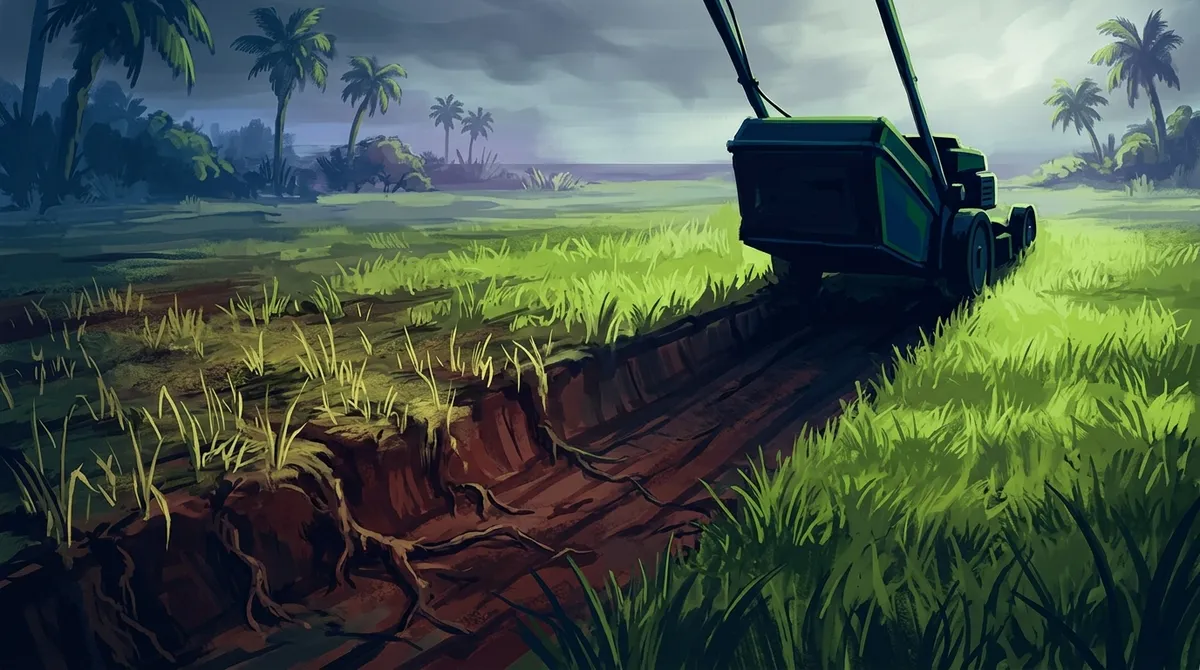
Mowing too short is often called “scalping” your lawn. It happens when you cut your grass lower than its ideal mowing height. Florida’s most common grasses — like St. Augustine, Bahia, Zoysia, and Bermuda — each have a sweet spot. When you go below that range, problems start.
Check out this quick reference guide for ideal mowing heights for common Florida grasses:
| Grass Type | Ideal Mowing Height | Minimum Safe Height |
|---|---|---|
| St. Augustine | 3.5 – 4 inches | 3 inches |
| Bahia | 3 – 4 inches | 3 inches |
| Zoysia | 1.5 – 2.5 inches | 1 inch |
| Bermuda | 0.5 – 1.5 inches | 0.5 inches |
Most Florida homeowners have St. Augustine grass. This grass needs to stay taller than many people think. Cutting it too short removes the leaf blade that the plant needs to absorb sunlight and grow. If you want to learn more about the best mowing height for St. Augustine grass, we have a detailed guide for you.
The Immediate Effects of Cutting Grass Too Short
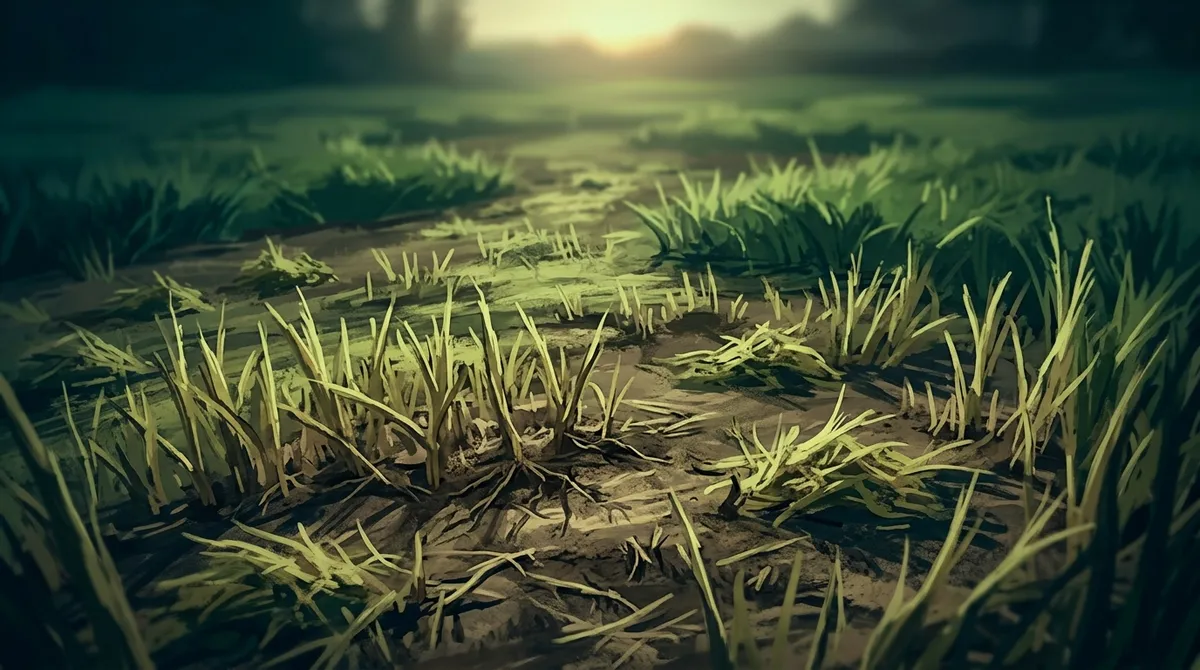
The damage from scalping your lawn doesn’t always show up right away. But over days and weeks, you’ll start to notice some serious problems.
1. Your Grass Turns Brown Fast
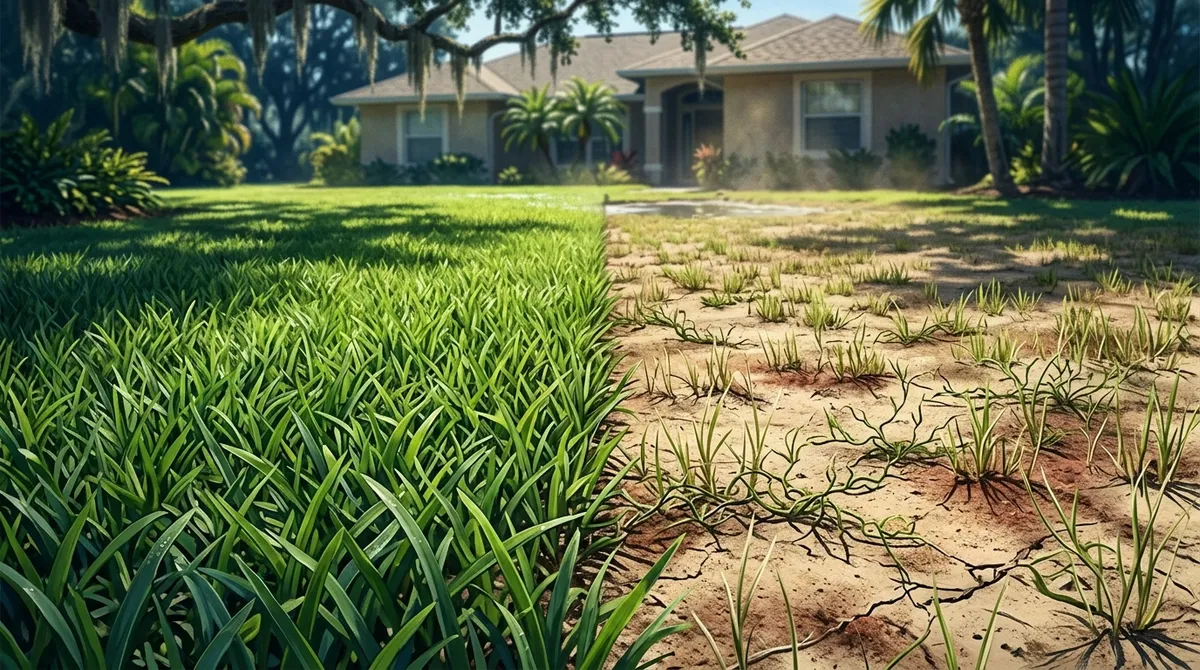
When you cut too much off the blade, you expose the stems and crowns of the grass plant. These parts aren’t meant to be in direct sunlight. In Florida’s intense heat, they burn quickly. Your lawn can go from green to patchy brown within just a few days.
Many homeowners see this browning and assume their grass is dead. But in many cases, it’s just stressed. You can learn more about the signs of dead grass to know whether recovery is possible.
2. Weeds Take Over Quickly
Healthy grass that’s cut at the right height creates a thick, dense canopy. That canopy blocks sunlight from reaching weed seeds in the soil. When you scalp your lawn, you break that canopy wide open. Weeds like crabgrass and dollar weed love the extra sunlight and will fill in fast.
This is one of the biggest lawn problems in Bloomingdale, FL — especially during warm, rainy months when weed growth is already aggressive.
3. The Grass Loses Its Ability to Feed Itself
Grass blades are more than just decoration. They act like solar panels for your lawn. The green leaf tissue captures sunlight and converts it into energy through photosynthesis. Cut too much of that tissue away, and the grass can’t produce enough food to survive and grow.
This is why following the one-third rule for mowing matters so much. Never remove more than one-third of the grass blade in a single cut. This keeps your lawn healthy and strong.
Long-Term Damage from Mowing Too Short in Florida
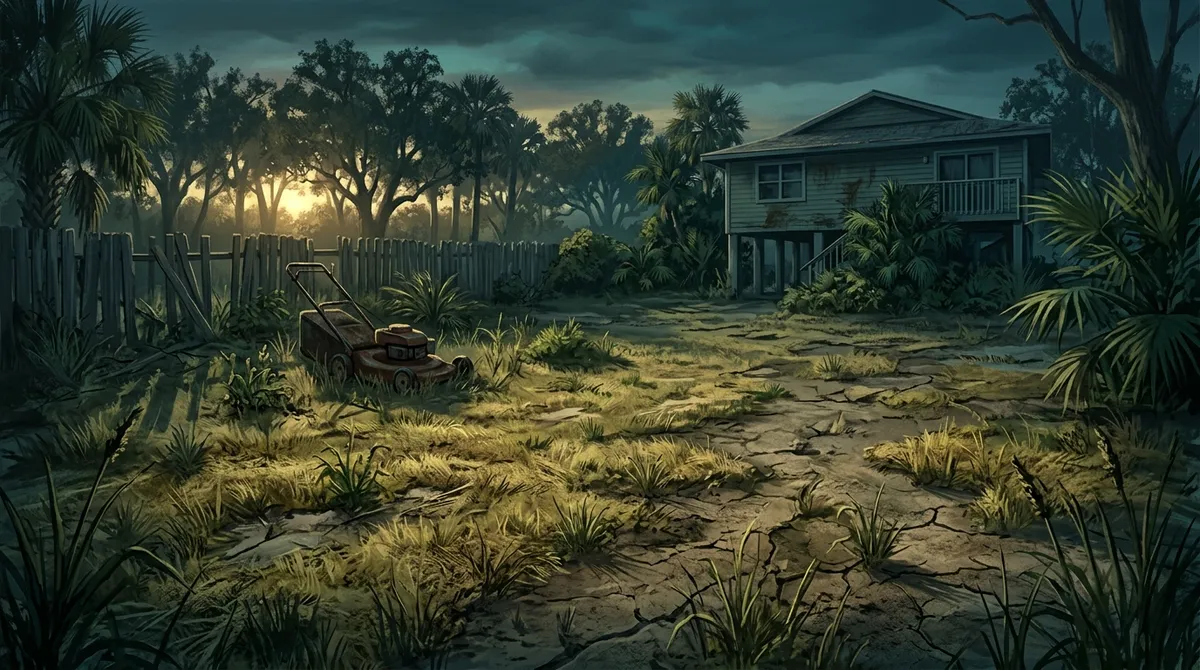
If you mow too short once, your lawn may recover. But if it happens regularly, the damage stacks up. Here’s what Florida homeowners often see after repeated scalping:
- Thinning turf that looks sparse and patchy
- Increased vulnerability to lawn fungus and disease
- Shallow root systems that can’t handle drought
- More susceptibility to insect damage
- Bare spots that require sod installation to repair
- Higher water bills because stressed grass needs more irrigation
That last point is especially important. Florida summers are hot and dry between rain events. A lawn with deep roots can handle brief dry spells. But a scalped lawn with shallow roots wilts fast. You end up watering more and still seeing stressed, brown grass.
If your lawn has already developed bare spots, sod installation may be the best path to recovery. Bare areas don’t always fill back in on their own — especially if weeds have moved in.
Why Florida’s Climate Makes This Worse
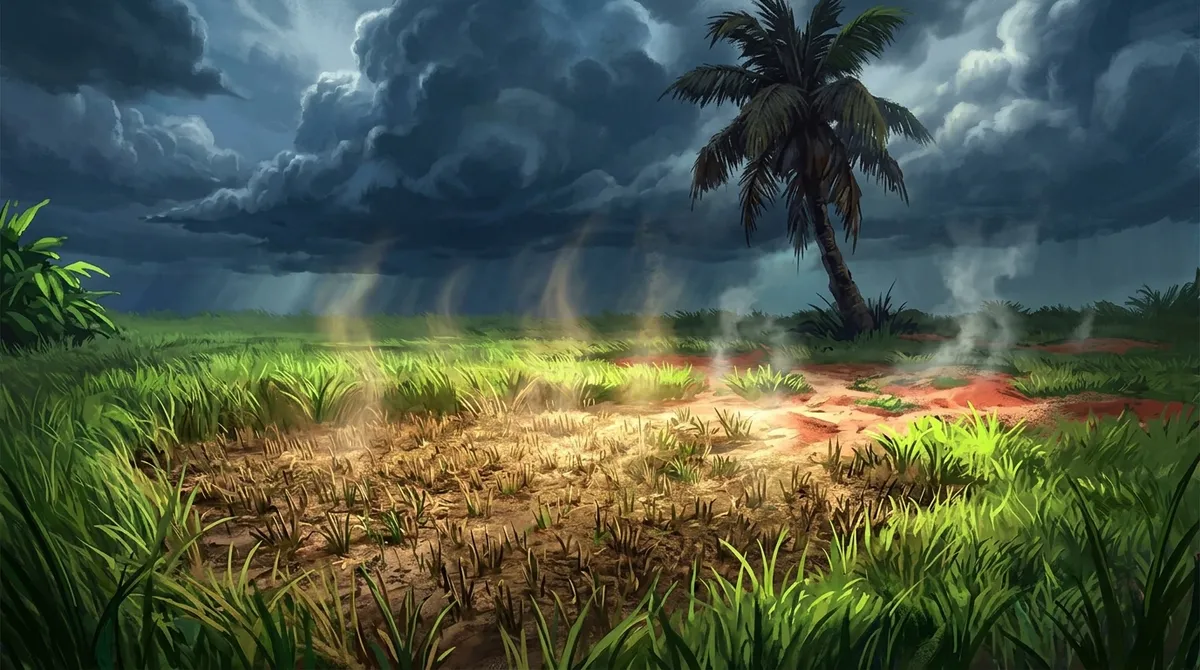
Florida is not like other states when it comes to lawn care. The combination of heat, humidity, and intense sunlight creates unique challenges. Here’s why mowing too short is especially harmful in Florida:
- Extreme heat stress: Temperatures regularly exceed 90°F in summer. Short grass has no shade layer to protect the soil from drying out.
- Fast weed growth: Warm weather accelerates weed germination. A scalped lawn gives weeds the perfect opening to establish quickly.
- Fungal disease risk: Florida’s humidity creates ideal conditions for lawn fungus. Stressed, scalped grass is far more vulnerable to disease outbreaks.
- Year-round mowing pressure: Florida lawns grow almost all year. This means more opportunities to cut too short if you’re not careful about your mowing height settings.
- Sandy soil: Many Florida yards have sandy soil that drains fast. Shallow-rooted grass from scalping struggles even more to find moisture.
Understanding essential lawn care Florida tips can help you navigate these challenges and keep your grass healthy through every season.
Common Reasons Homeowners Mow Too Short
Most people don’t scalp their lawns on purpose. Here are the most common reasons it happens:
- Mower blade set too low without knowing it
- Trying to cut less often by going shorter each time
- Thinking shorter grass means less frequent mowing
- Not knowing the correct height for their specific grass type
- Using a lawn mower on uneven terrain that dips and scalps low spots
- Letting grass get too long, then cutting it all at once
The last one is a trap many busy homeowners fall into. You skip a week or two of mowing. The grass gets tall. Then you try to bring it back down to a short height in one cut. That’s a recipe for scalping. Instead, lower the height gradually over two or three mowing sessions. For help understanding the right approach, read about how the 1/3 rule for mowing transforms your lawn.
How to Know If You’ve Cut Your Grass Too Short
Here are clear signs your lawn has been scalped:
- The grass looks yellowish or brown right after mowing
- You can see bare soil or the brown stems beneath the green blades
- The lawn looks uneven with low, patchy areas
- Weeds start appearing in previously healthy sections
- The grass feels thin and rough under your feet
If you notice these signs, the best thing you can do is stop cutting as short and give your lawn time to recover. Raise your mower blade to the correct height for your grass type and maintain that setting consistently going forward.
How to Recover a Scalped Florida Lawn
Recovery is possible in many cases. Follow these steps to help your lawn bounce back:
- Raise your mower blade immediately. Set it to the correct height for your grass type and don’t go lower.
- Water consistently. Stressed grass needs moisture to recover. Water early in the morning to reduce evaporation and fungal risk.
- Avoid more stress. Don’t apply heavy treatments or make other changes while the lawn is recovering.
- Be patient. Grass recovery in Florida can take two to six weeks depending on the season and the extent of the damage.
- Consider sod for bare areas. If patches won’t fill back in, professional sod installation can restore your lawn quickly and cleanly.
Consistent, proper mowing is the single best thing you can do for your lawn’s long-term health. If you find it hard to keep up with the right schedule and height settings, hiring a local professional is always a smart option. Professional lawn maintenance takes the guesswork out of mowing and helps you avoid costly mistakes.
Why Professional Mowing Makes a Difference
Professional lawn care crews know exactly what height to cut each grass type. They use calibrated equipment and follow best practices every single visit. That consistency is something most DIY mowing can’t match — especially when life gets busy.
At All Trusted Lawn Care, our team serves Bloomingdale, Valrico, Brandon, Fishhawk, and surrounding communities. We understand Florida’s grass types and climate conditions. We set the right mowing height every time so your lawn stays thick, green, and healthy.
Monthly lawn service with weekly mowing typically averages between $180 and $220 per month depending on yard size. That’s a small investment compared to the cost of repairing a damaged lawn or replacing dead grass with new sod. You can read what All Trusted Lawn Care customers are saying on Google and see why local homeowners trust us with their yards year after year.
Want to see the kind of work we do? Browse our gallery for a look at real lawns we’ve maintained across the area. You can also follow us on our Facebook page for lawn tips and before-and-after photos.
Quick Tips to Avoid Mowing Too Short in Bloomingdale
- Check and set your mower blade height before every mow
- Mow on a regular schedule so grass never gets too tall before cutting
- Walk your yard for low spots before mowing to avoid accidental scalping
- Sharpen your mower blades regularly — dull blades tear and stress grass
- Avoid mowing during the hottest part of the day in summer
- Read the care guidelines for your specific grass type
For a deeper dive into smart habits, check out these 12 lawn care tips every homeowner needs in 2026. The advice applies just as well to Bloomingdale yards as it does across the region.
And if you’re curious about how often to mow without going too short, this guide on how often to mow your Bloomingdale lawn walks you through the right schedule for Florida conditions.
You can also find helpful information from the University of Florida IFAS Extension, which offers research-backed guidance on Florida-specific lawn care practices.
Take the Guesswork Out of Lawn Mowing
Mowing too short in Florida is a common mistake with real consequences. Brown grass, weeds, shallow roots, and bare patches are all signs that your mowing height needs to change. The fix is simple once you know the right height for your grass type — and once you commit to mowing on a consistent schedule.
If keeping up with proper lawn care feels like a challenge, you don’t have to do it alone. Our team at All Trusted Lawn Care is here to help Bloomingdale homeowners get and keep beautiful, healthy lawns all year long. We handle the mowing so you can enjoy your yard without the stress.
Ready to protect your lawn and stop the damage from scalping? Reach out to us today for a free estimate — or give us a call at 813-833-1882 to talk with a friendly team member about your yard. We’d love to help!
FAQs
Q: How short is too short when mowing a Florida lawn?
A: For most Florida lawns — especially St. Augustine grass — cutting below 3 inches is too short. Going lower removes too much of the leaf blade, stresses the grass, and leaves it vulnerable to heat, weeds, and disease. Always check the recommended mowing height for your specific grass type before adjusting your mower.
Q: Can a scalped lawn recover on its own in Florida?
A: Yes, a mildly scalped lawn can often recover if you raise your mower blade and water consistently. Recovery typically takes two to six weeks depending on the season and the extent of the damage. For severely bare patches, professional sod installation is usually the fastest and most effective fix.
Q: Why does my grass turn brown after mowing in Florida?
A: Browning after mowing is usually a sign that you’ve cut too low and exposed the stems or crowns of the grass plant. Florida’s intense heat and sunlight quickly scorch these unprotected areas. Raising your mower blade to the correct height for your grass type will prevent this from happening on future cuts.
Q: Does mowing too short cause more weeds in Florida?
A: Absolutely! When you scalp your lawn, you remove the thick grass canopy that blocks sunlight from reaching weed seeds in the soil. Without that natural shade barrier, weeds like crabgrass and dollar weed germinate fast — especially during Florida’s warm growing season. Keeping grass at the right height is one of your best defenses against weeds.
Q: How often should I mow my Florida lawn to avoid cutting it too short?
A: During active growing season in Florida, most lawns benefit from mowing every seven to ten days. This keeps grass at a manageable length so you never need to cut too much at once. Letting grass grow too tall between cuts often leads to scalping when you try to bring it back down in one session.