Key Takeaways
-
Never cut more than one-third of the grass blade in a single mowing session, as cutting too much sends grass into shock and redirects energy from root development to blade recovery, leaving roots shallow and vulnerable.
-
Water deeply and infrequently (2-3 times per week with ¾ to 1 inch per session) rather than daily shallow sprinkles, as this encourages roots to grow 4-6 inches deep where moisture is more stable and makes lawns drought-resistant.
-
Always water in early morning (4-9 a.m.) to allow grass to dry before evening; night watering creates conditions for fungal diseases like brown patch and gray leaf spot common in Florida's humid climate.
-
Sharpen mower blades at least twice per season because dull blades tear grass instead of cutting cleanly, turning tips brown and creating jagged edges that invite disease.
-
Match your lawn care to your specific grass type and its dormancy cycle; Florida warm-season grasses like St. Augustine go dormant in winter (turning tan naturally), requiring light maintenance rather than aggressive fertilizing or mowing.
-
Use a simple screwdriver test before watering—push a 6-inch screwdriver into your lawn to check soil moisture in just 10 seconds, preventing both over- and underwatering mistakes.
That perfect lawn next door isn’t lucky—it follows a rhythm your grass desperately needs but isn’t getting. You water faithfully. You mow every weekend. Yet somehow, brown patches keep showing up, and the lush green you’re dreaming of stays just out of reach. Sound familiar?
Here’s the truth most homeowners miss: knowing how to maintain a lawn isn’t just about watering and mowing frequency. It’s about timing, soil health, and understanding what your grass is actually telling you. Lawn maintenance failures often start quietly—wrong mowing height, shallow watering, or ignoring soil pH—long before the brown patches appear.
Whether you’re a busy parent in Valrico, a new homeowner just getting started, or a senior looking for easier ways to keep your yard looking sharp, this guide breaks everything down simply. We’ll walk through grass types, mowing science, smart watering habits, soil health, weed control, and a seasonal care calendar built for Florida lawns. By the end, you’ll know exactly why your lawn turns brown—and how to fix it for good.
Understanding Your Grass Type and Local Climate
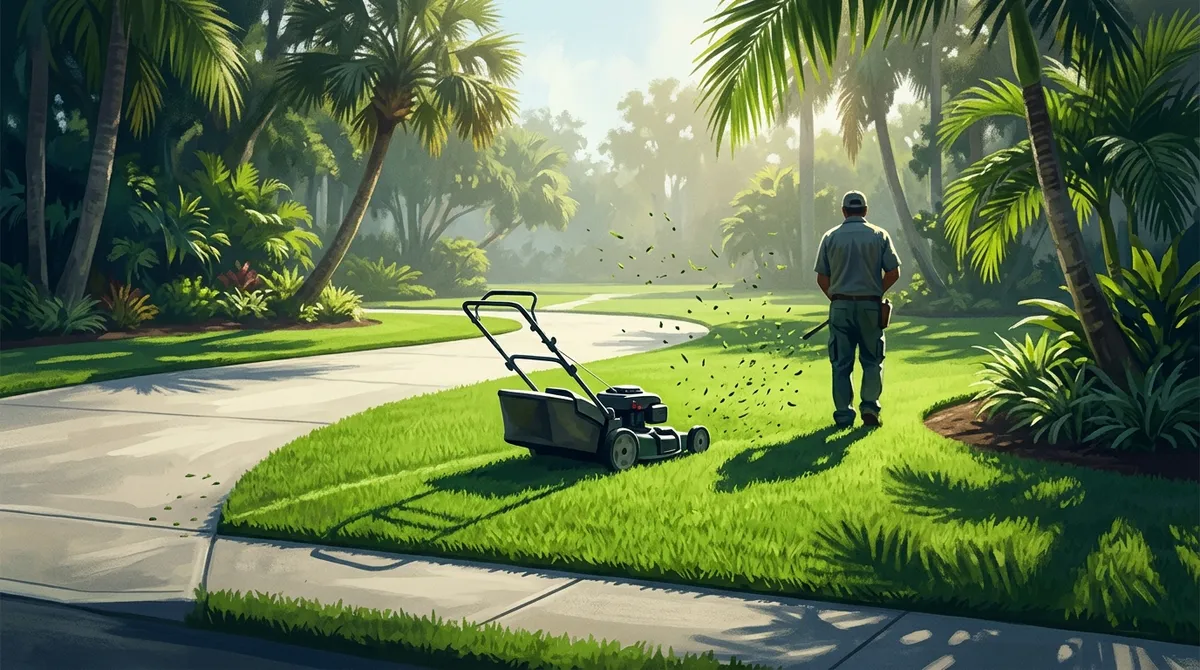
Before anything else, you need to know what type of grass you have. Not all grass is created equal, and treating the wrong grass the wrong way is one of the top reasons lawns struggle. In Florida, most homeowners deal with warm-season grasses like St. Augustine, Zoysia, Bahia, and Bermuda. These grasses love heat and go dormant in cooler months.
Identifying Warm vs Cool Season Grasses
Warm-season grasses thrive between 80–95°F. They grow aggressively in summer and slow down in winter. Cool-season grasses like fescue and ryegrass prefer temperatures between 60–75°F and are rarely used in Florida except for temporary overseeding.
Valrico’s Unique Climate Challenges
Valrico sits in Hillsborough County and experiences hot, humid summers with heavy afternoon storms. The rainy season runs roughly from June through September. This means lawns can go from soggy to drought-stressed within days. Our sandy soils drain quickly, which makes consistent moisture difficult to maintain without proper technique.
Matching Maintenance to Grass Dormancy Cycles
During winter dormancy, your warm-season grass naturally turns tan or light brown. This is normal—not a sign of damage. Avoid heavy fertilizing or aggressive mowing during this period. Instead, focus on light maintenance and preparation for spring green-up.
Reading Stress Signals Before Damage Occurs
Your lawn communicates stress in several ways. Watch for these early warning signs:
- Blades folding or curling lengthwise (drought stress)
- Dull bluish-green color before brown patches appear
- Footprints that stay visible for more than 30 seconds
- Thinning areas near driveways or sidewalks
Catching these signals early can save you from costly repairs. If your lawn has already developed significant bare patches, professional sod installation may be the fastest way to restore it beautifully.
The Science Behind Proper Mowing Techniques
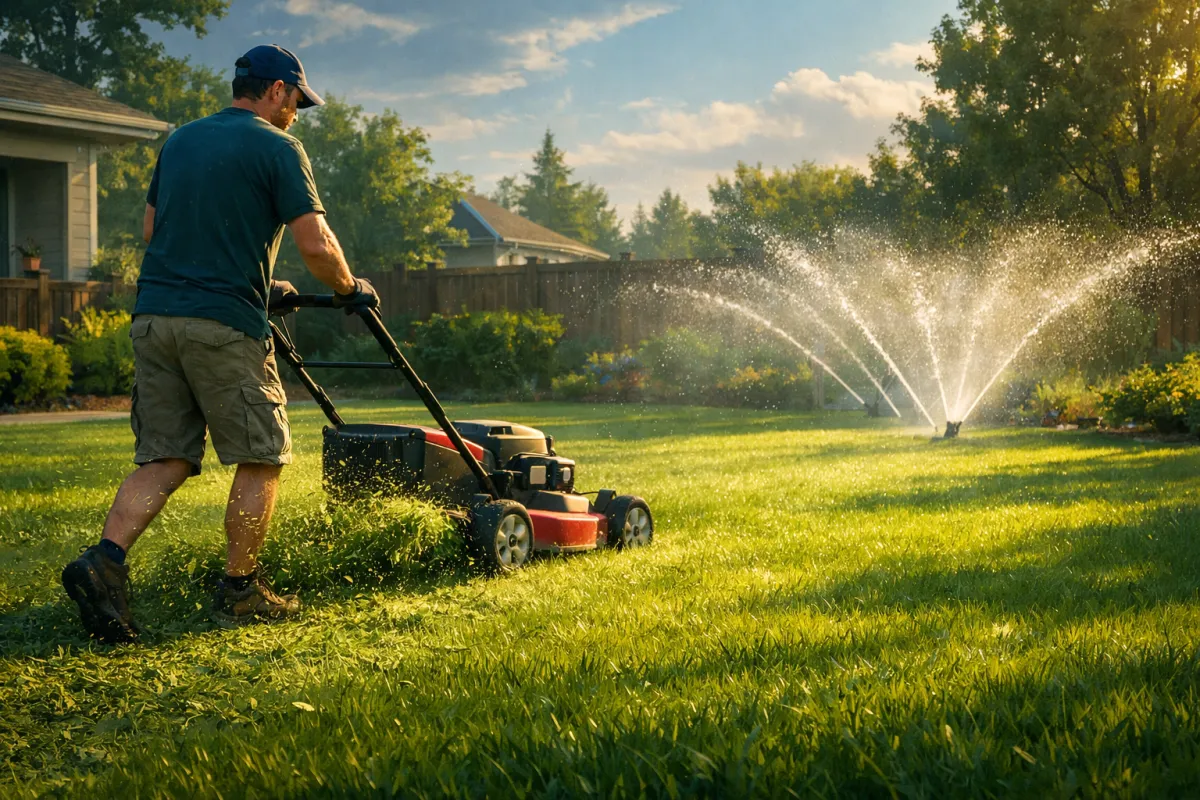
Mowing seems simple, but it’s actually one of the most impactful things you do for your lawn’s health. Done right, it encourages thick, resilient growth. Done wrong, it opens the door to disease, weeds, and stress damage.
One-Third Rule for Cutting Height
Never cut more than one-third of the grass blade in a single mowing session. Cutting too much at once sends your grass into shock. It redirects energy from root development to blade recovery, leaving roots shallow and vulnerable. For St. Augustine grass, keep your mowing height between 3.5 and 4 inches.
Sharp Blade Importance and Maintenance
A dull lawn mower blade tears grass instead of cutting it cleanly. Torn blades turn brown at the tips, create jagged edges that invite disease, and make your lawn look gray or dull after mowing. Sharpen your blades at least twice per season—or more if you have a large yard or mow frequently.
Directional Mowing Patterns for Health
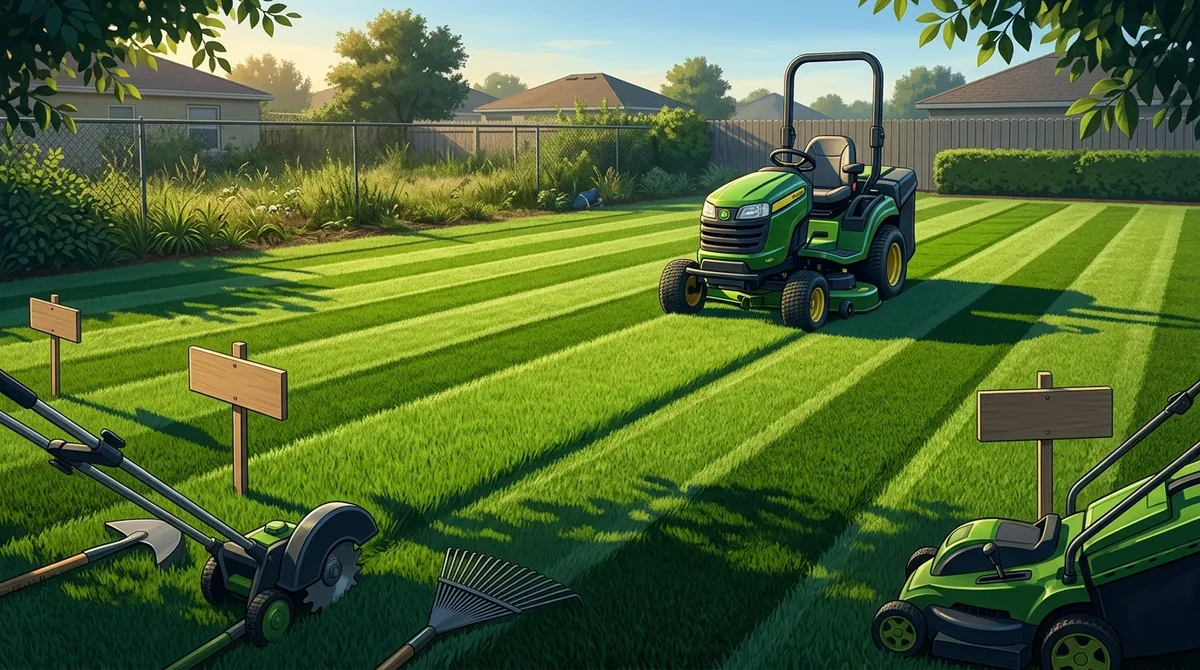
Alternating your mowing direction each session prevents grass from leaning one way and reduces soil compaction from wheel patterns. Try mowing north-south one week and east-west the next. It also gives your lawn that professional striped look that turns heads.
Grass Cycling vs Bagging Decisions
Leaving clippings on the lawn—called grass cycling—returns nitrogen and moisture to the soil naturally. It reduces your fertilizer needs by up to 25%. However, if your lawn has active disease or weeds going to seed, bagging is the smarter choice to prevent spreading problems.
Frequency Adjustments Through Seasons
In Florida’s growing season (spring through early fall), most lawns need mowing every 7–10 days. During winter dormancy, you may only need to mow once or twice a month. Adjust your schedule based on growth rate, not the calendar alone.
| Grass Type | Ideal Mowing Height | Mowing Frequency (Summer) |
|---|---|---|
| St. Augustine | 3.5 – 4 inches | Every 7–10 days |
| Zoysia | 1.5 – 2.5 inches | Every 7–14 days |
| Bahia | 3 – 4 inches | Every 10–14 days |
| Bermuda | 1 – 1.5 inches | Every 5–7 days |
Our team at Lawn Maintenance handles these details so you don’t have to. Consistent, professional mowing makes a visible difference week after week.
Watering Strategies That Actually Work
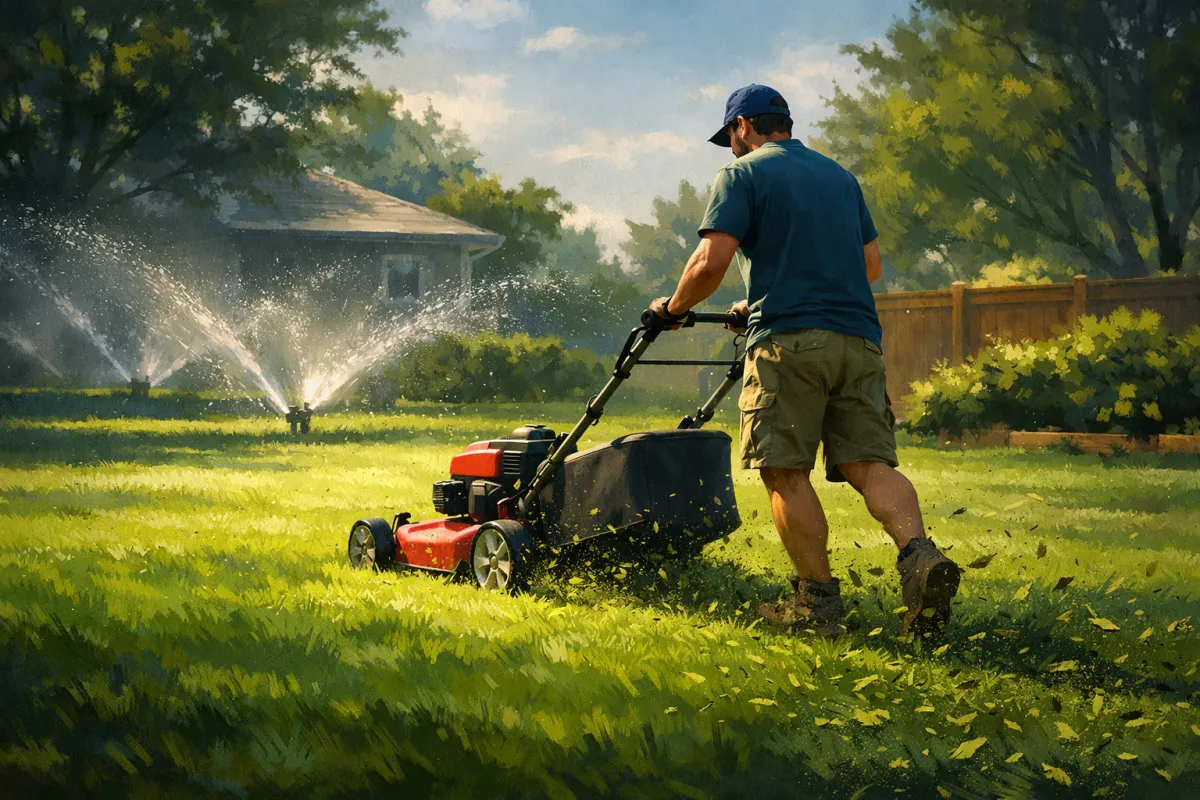
Overwatering is just as damaging as underwatering. Many homeowners with brown lawns are actually overwatering—but at the wrong time, in the wrong amounts. Let’s change that.
Deep Watering vs Frequent Shallow Sprinkles
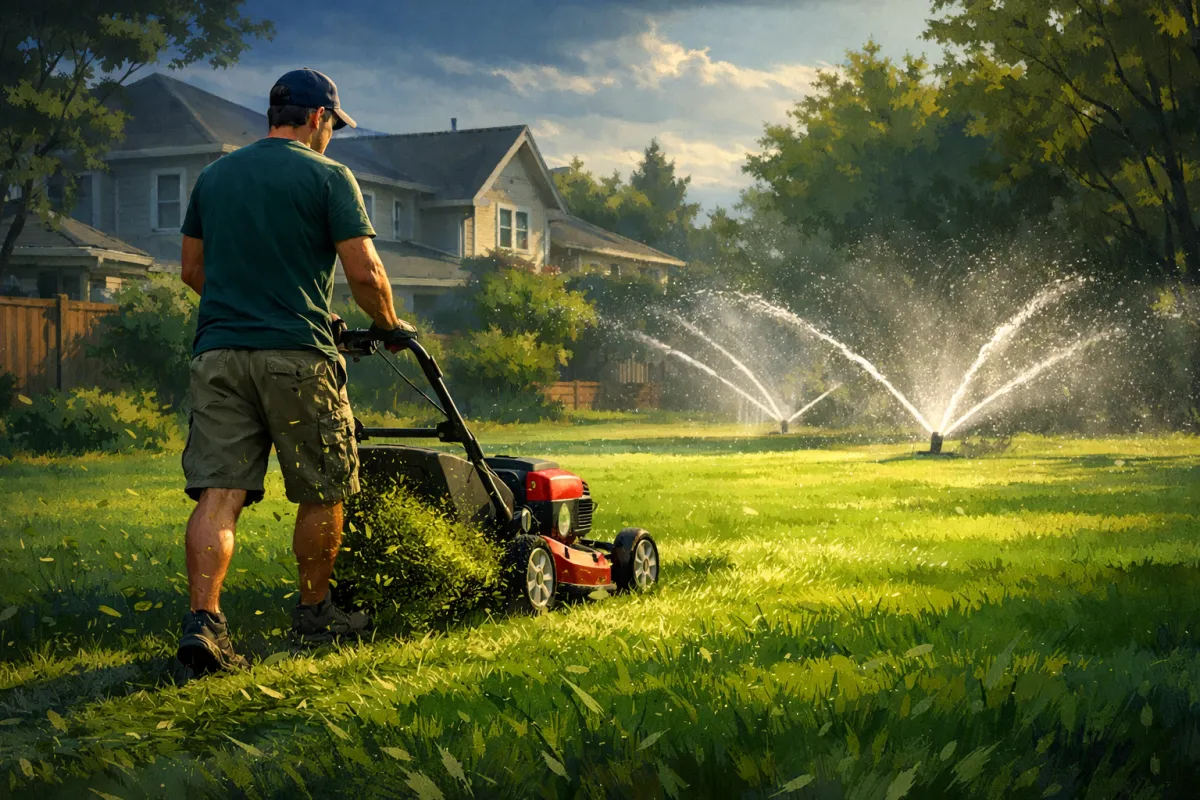
Water deeply and infrequently rather than a little every day. Shallow watering keeps roots near the surface, making your lawn fragile and drought-sensitive. Aim to water 2–3 times per week, giving your lawn about ¾ to 1 inch of water each session. This encourages roots to grow 4–6 inches deep where moisture is more stable.
Morning Watering Benefits and Disease Prevention
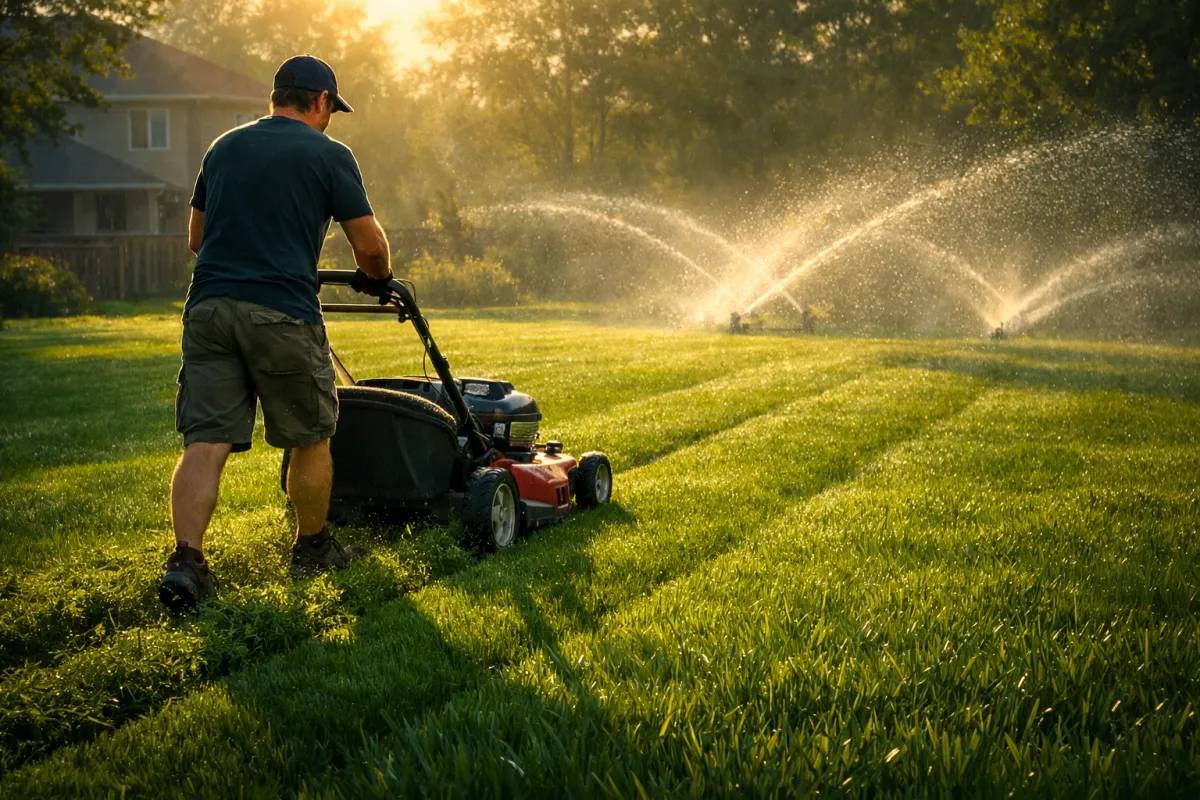
Always water in the early morning—ideally between 4 a.m. and 9 a.m. This gives grass time to dry before evening. Watering at night keeps blades wet for hours, creating the perfect environment for fungal diseases like brown patch and gray leaf spot, which are common in Florida’s humid climate.
Soil Moisture Testing Methods
Before watering, do a simple screwdriver test. Push a 6-inch screwdriver into your lawn. If it goes in easily, you have enough moisture. If it resists or won’t penetrate, it’s time to water. This takes 10 seconds and saves you from both over- and underwatering.
Adjusting for Rainfall and Drought
Florida’s rainy season provides significant natural irrigation. Use a rain gauge or smart sprinkler controller that pauses watering after rainfall. During dry spells in spring or fall, increase frequency slightly but keep water amounts consistent.
Sprinkler System Optimization Tips
- Check heads monthly for clogs, tilts, or broken spray patterns
- Run each zone for 20–30 minutes to achieve proper soil saturation
- Replace pop-up heads that water driveways or sidewalks instead of grass
- Schedule a system audit once a year to maximize efficiency
Fertilization and Soil Health Fundamentals
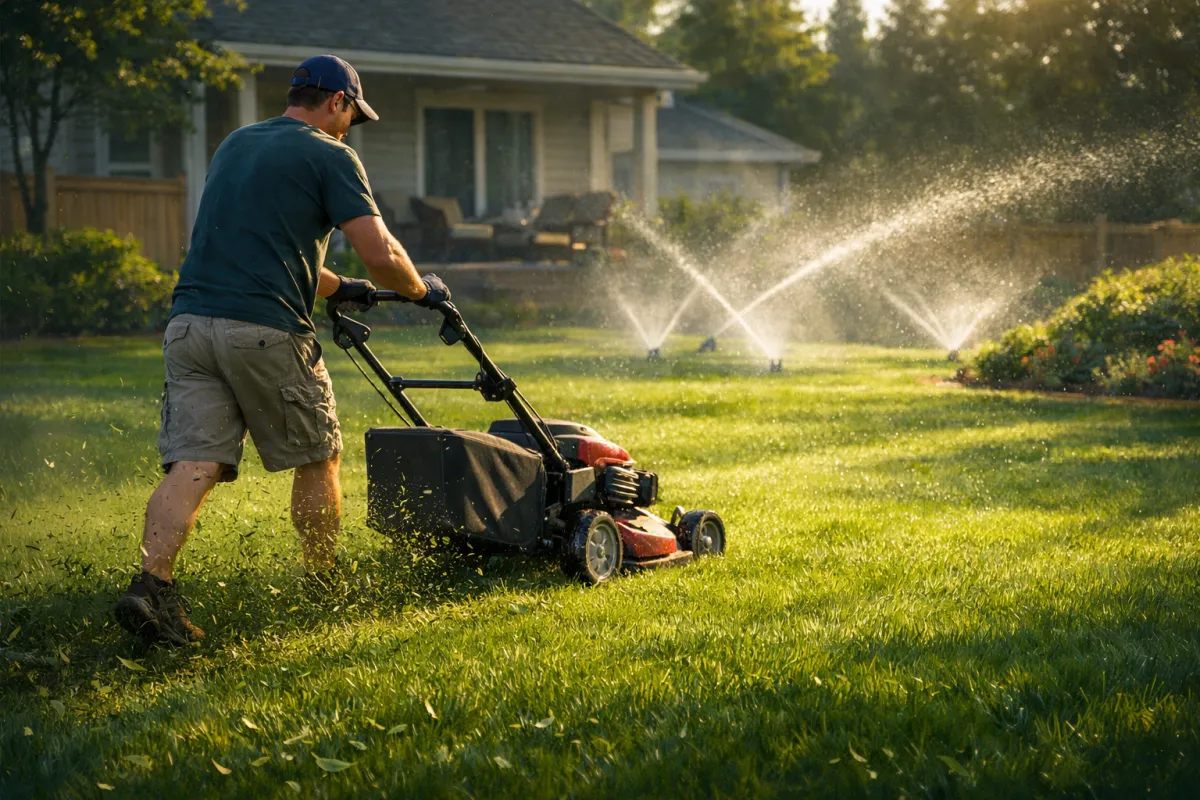
Even the best watering routine won’t fix a lawn that’s starving for nutrients. Fertilization and soil health form the foundation of a truly thriving lawn. While All Trusted Lawn Care focuses on mowing and maintenance, we’re happy to connect you with trusted local partners who specialize in fertilization and soil care services.
NPK Ratios for Different Seasons
Fertilizers list three numbers—Nitrogen (N), Phosphorus (P), and Potassium (K). Spring calls for a higher nitrogen ratio to fuel green growth. Summer blends should balance nitrogen with potassium to strengthen grass against heat stress. Fall fertilization should reduce nitrogen and boost potassium for root hardening before winter.
Organic vs Synthetic Fertilizer Choices
Organic fertilizers release nutrients slowly and improve soil structure over time. They’re gentler on sandy Florida soils and safer for homes with children and pets. Synthetic fertilizers act faster but can burn grass if overapplied and may contribute to nutrient runoff into local waterways.
Soil Testing Frequency and Interpretation
Test your soil at least once every two years. The University of Florida IFAS Extension offers affordable soil testing kits. Your results will show pH, nutrient levels, and organic matter content—everything you need to make smart fertilization decisions instead of guessing.
pH Adjustment Techniques
Most Florida grasses prefer a soil pH between 6.0 and 7.0. Sandy soils often trend acidic. Apply lime to raise pH or sulfur to lower it. Adjust gradually—dramatic pH swings stress grass roots and can do more harm than good.
Micronutrient Deficiency Signs
- Yellow between leaf veins: Iron or manganese deficiency
- Pale overall color: Nitrogen deficiency
- Purple or reddish tints: Phosphorus deficiency
- Weak, slow growth: Potassium or magnesium deficiency
Weed Prevention and Natural Control Methods
Weeds don’t just look bad—they compete directly with your grass for water, nutrients, and sunlight. Preventing them is much easier than fighting them after they’ve established. Here’s how to keep them from taking over.
Pre-Emergent Timing for Common Weeds
Pre-emergent herbicides stop weed seeds from germinating. In Florida, apply them in late winter (February) before spring weed season and again in late summer (August) before fall germination. Common targets include crabgrass, goosegrass, and doveweed. Timing is everything—apply too late and you’ve missed the window entirely.
Cultural Practices Reducing Weed Pressure
A thick, healthy lawn is your best weed defense. Weeds thrive in thin, stressed turf. Mowing at the correct height, proper watering, and consistent fertilization create dense grass that physically crowds out weed seedlings before they establish. This is why proper lawn maintenance is always the first line of weed defense.
Spot Treatment vs Broadcast Applications
For isolated weeds, spot treatment with a targeted herbicide is more effective and less disruptive than spraying the entire lawn. Broadcast applications should only be used when weed coverage exceeds 30–40% of the lawn area. Always follow label instructions carefully to avoid damaging your grass.
Safe Herbicide Alternatives for Families
- Corn gluten meal as a natural pre-emergent option
- Boiling water for driveways and cracks (not lawn use)
- Hand-pulling when weed populations are small
- Vinegar-based spot sprays for non-grass areas
Eco-conscious families will appreciate that reducing chemical use starts with healthy turf practices. For a professionally maintained lawn that naturally resists weeds, explore our lawn care solutions tailored to your property’s specific needs.
Seasonal Maintenance Calendar for Florida Lawns
Florida’s seasons don’t follow the national norm, but they absolutely exist. Following a seasonal maintenance calendar is one of the smartest things you can do to keep your lawn healthy year-round. Here’s a simplified guide built specifically for homeowners in Valrico, Brandon, Bloomingdale, and Fishhawk.
Step-by-Step Seasonal Lawn Care
- Spring (March–May): Resume regular mowing as growth picks up. Apply pre-emergent herbicide in February. Begin fertilizing in March once grass is actively growing. Check irrigation systems before the heat arrives.
- Summer (June–August): Raise mowing height slightly to shade roots. Water deeply 2–3 times per week. Watch for fungal disease after heavy rains. Avoid heavy fertilizing during peak heat.
- Fall (September–November): Repair thin or bare areas with sod or overseeding. Reduce fertilizer nitrogen. Apply fall pre-emergent in August. Adjust irrigation as rain frequency decreases.
- Winter (December–February): Reduce mowing frequency as growth slows. Avoid heavy foot traffic on dormant or frost-damaged grass. Protect vulnerable areas with light mulching if needed.
For additional help managing your leaf clean-up or property clean-up during seasonal transitions, our team is always ready to help.
When Professional Services Make Financial Sense
Let’s be honest—lawn care takes real time and real money. Knowing when to hand it off to professionals can actually save you both. Here’s how to think about it clearly.
Cost-Benefit Analysis of DIY vs Professional
A quality push mower costs $300–$600. A riding mower runs $1,500–$4,000. Add blades, oil, fuel, and repairs—and your “free” DIY option adds up fast. Professional lawn mowing in the Valrico area typically runs $40–$100 per cut, with monthly maintenance packages averaging around $200 per month depending on yard size. For many homeowners, that’s genuinely the more affordable option when time is considered.
Services Worth Outsourcing First
- Regular mowing (saves 1–2 hours every week)
- Seasonal cleanups and debris removal
- Sod installation for large bare areas
Equipment Investment Considerations
Before buying equipment, ask yourself how large your lawn is, how often you’ll realistically use it, and whether you have space to store it. For yards under 5,000 square feet, a basic push mower might suffice. For larger properties, the math usually favors hiring a professional service.
Time Value Calculations for Busy Homeowners
If you earn $30–$50 per hour at work and spend 2 hours every week mowing, that’s $60–$100 worth of your personal time—every single week. Outsourcing your mowing frees you to spend weekends with family, not pushing a mower in the Florida heat. Check out what our neighbors say about us—visit our Google Business Profile to read real reviews from homeowners just like you.
Curious about what professional lawn care looks like? See the results for yourself in our gallery, or learn more about how to choose the best lawn care service for your needs. You can also follow along with tips and seasonal updates on our Facebook page.
Bringing It All Together
A brown lawn despite regular watering isn’t a mystery—it’s a message. Your grass is asking for the right timing, the right technique, and a little more attention to what’s happening below the surface. From understanding your grass type to mastering mowing height, smart watering, and seasonal care, every step compounds into a healthier, greener yard.
You don’t have to do it all alone. Whether you need weekly mowing, seasonal cleanups, or a fresh start with new sod, the team at All Trusted Lawn Care is here for homeowners across Valrico, East Brandon, Bloomingdale, and Fishhawk. We provide consistent, reliable lawn care near you that keeps your yard looking its best—every single week.
Ready to finally get that green lawn you’ve been working toward? Reach out to us today for a free estimate and let’s build a maintenance plan that works for your yard, your schedule, and your budget. You deserve a lawn you’re proud of—let’s make it happen together.
FAQs
Q: How often should I sharpen my mower blades for optimal lawn health?
A: Great question! You should sharpen your mower blades at least twice per mowing season—or roughly every 25 hours of use. Dull blades tear grass instead of cutting it cleanly, which leads to those frustrating brown-tipped blades and increases your lawn’s vulnerability to disease.
Q: What’s the best grass type for shaded areas in Florida yards?
A: St. Augustine grass, particularly the ‘Seville’ or ‘Palmetto’ varieties, handles shade better than most warm-season grasses in Florida. That said, even these varieties need at least 4–6 hours of filtered sunlight daily to stay healthy and dense.
Q: Can I repair bare patches without replacing the entire lawn?
A: Absolutely! Small bare patches can often be repaired with sod plugs or small sections of fresh sod without replacing the whole lawn. For larger damaged areas, professional sod installation gives you the fastest and most reliable results, especially in Florida’s warm growing season.
Q: Why does my lawn need aeration if I water regularly?
A: Watering alone can’t fix compacted soil—and Florida’s sandy soils can actually become compacted over time from foot traffic and equipment weight. Aeration creates small holes in the soil that allow water, oxygen, and nutrients to reach grass roots more effectively, dramatically improving how well your lawn responds to watering and fertilizing.
Q: Should I remove grass clippings or leave them on the lawn?
A: Leaving clippings on the lawn—called grass cycling—is usually the better choice! Clippings decompose quickly and return valuable nitrogen back to the soil, reducing your fertilizer needs by up to 25%. The exception is if your lawn has an active fungal disease or weeds going to seed—in those cases, bagging protects your lawn from spreading the problem.