Key Takeaways
-
Never cut grass shorter than 3.5-4 inches for St. Augustine or 3-4 inches for Bahia; scalping removes too much blade, stresses roots, exposes soil to sun damage, and invites weeds like crabgrass and dollarweed.
-
Water early morning between 4-10 a.m., not evenings; evening watering creates fungal disease conditions. Water deeply 2-3 times weekly to encourage deep root growth instead of daily shallow watering that weakens lawn resilience.
-
Use slow-release fertilizers on a schedule matched to Florida's spring-fall growing season, not calendar-based applications; over-applying nitrogen causes burn damage and soil problems that professional soil testing can prevent.
-
Hold string trimmers at correct angles to avoid destroying grass crowns at the base of plants, which causes permanent bare strips; use proper edging tools instead to create clean lines without root damage.
-
Mulch fallen oak leaves with mower instead of leaving thick layers that trap moisture and block sunlight; timing removal in late winter/early spring is critical since it coincides with warm-season grass awakening.
-
Professional lawn service at $200/month often costs less than DIY when factoring equipment ($1,000+), maintenance, and repair costs from improper techniques; professional prevention avoids expensive sod replacement and fungal treatments.
Your lawn looks fine from the street, but professional landscapers driving by your Valrico home can spot the subtle signs of maintenance mistakes that slowly deteriorate your grass. What seems like harmless weekend yard work can quietly damage root systems, invite weeds, and cost you hundreds in repairs down the road. Most homeowners unknowingly damage their lawns through seemingly harmless habits that professionals spot immediately but rarely discuss openly.
The good news? Once you know what to look for, these mistakes are easy to avoid. Whether you handle your own lawn maintenance or you’re searching for reliable lawn care near me, understanding these six common errors will help you make smarter decisions for your yard. Let’s dig in — your grass will thank you.
The Hidden Cost of Cutting Grass Too Short
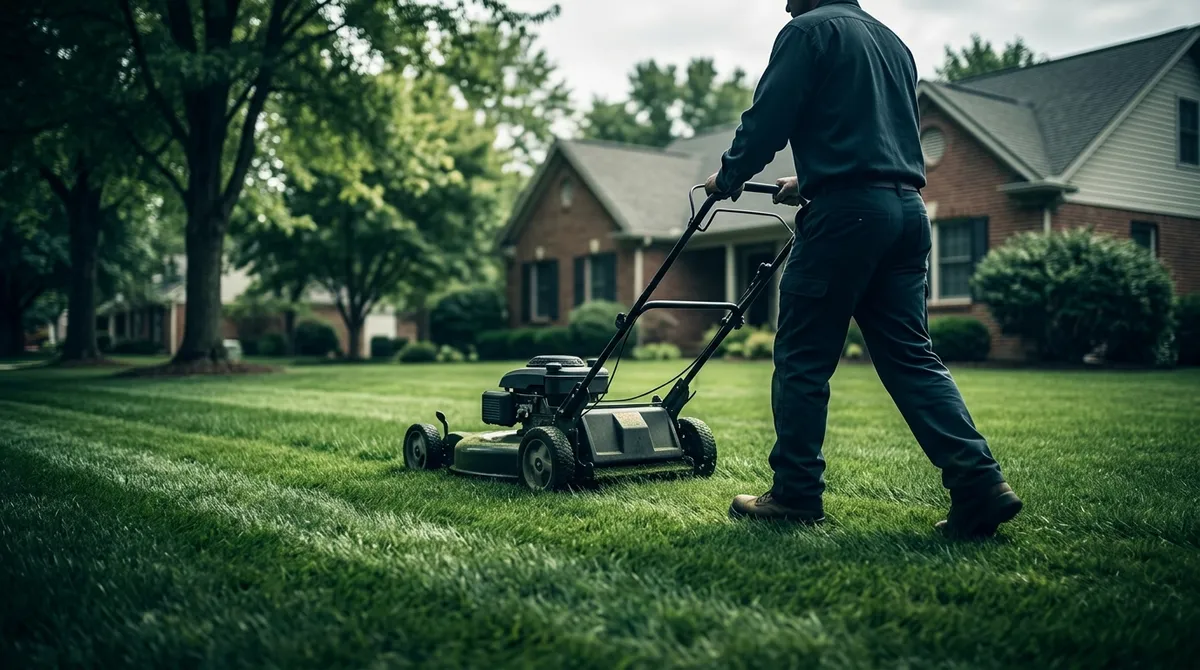
It feels logical. Cut the grass extra short and you won’t have to mow as often, right? Unfortunately, this common shortcut — called scalping — is one of the most damaging things you can do to your lawn. Scalping removes too much of the grass blade at once, which puts enormous stress on the root system and leaves your turf vulnerable to serious damage.
When grass is cut too short, the exposed soil bakes in Florida’s intense sun. This creates brown patches that look burned and feel brittle underfoot. Those damaged areas don’t just look bad — they become open invitations for weeds. Crabgrass, dollarweed, and other invasive plants love moving into weakened turf where the grass can’t compete.
Scalping Damage and Root System Stress
Florida grasses like St. Augustine and Bahia have specific mowing height requirements. St. Augustine thrives when kept between 3.5 and 4 inches tall. Bahia grass prefers a height of 3 to 4 inches. Cutting below these levels forces the plant to divert energy away from root growth and into blade recovery, weakening the entire root system over time.
Recovery Timeline for Scalped Lawns
Recovering from scalping takes longer than most homeowners expect. A mildly scalped lawn may bounce back in two to three weeks with proper watering and care. Severely damaged turf can take an entire growing season to recover — and in extreme cases, sod installation may be the only real fix. The safest rule of thumb? Never remove more than one-third of the grass blade in a single mowing session. Keep your blades sharp and your deck height set correctly, and your lawn stays healthy all season long.
Why Your Fertilizer Schedule Backfires
Fertilizing your lawn feels like a generous act of care. More nutrients should mean greener, healthier grass — but timing and formula choices can flip that equation quickly. In Florida’s unique climate, fertilization mistakes are incredibly common, and the consequences range from ugly burn patches to long-term soil damage.
Nitrogen Burn from Over-Fertilization
Over-applying nitrogen is the most frequent fertilizer mistake. When too much nitrogen hits your lawn at once, it draws moisture out of the grass blades rather than feeding them. The result is nitrogen burn: yellow or brown streaks that look almost identical to drought stress. These streaks are frustrating because they appear despite your best efforts to care for your lawn.
Seasonal Timing Mistakes in Florida’s Climate
Florida’s warm-season grasses need fertilization during their active growing period, which runs from spring through early fall. Fertilizing in late fall or winter pushes new growth right before cold snaps arrive, leaving tender shoots exposed to damage. Many homeowners apply fertilizer on a calendar schedule rather than watching what their grass actually needs.
Slow-Release Versus Quick-Release Formulas
Slow-release fertilizers feed your lawn gradually over several weeks. Quick-release formulas deliver nutrients fast but increase burn risk significantly. For most Florida homeowners, slow-release formulas are the safer, more consistent choice.
Soil testing before any fertilizer application is the smartest step you can take. A simple test reveals your soil’s current pH and nutrient levels, so you only add what’s actually missing. Professional calibration techniques — adjusting spreader settings and application rates based on square footage — also make a huge difference in results. If you’d like to connect with a trusted local partner for fertilization services, we’re happy to point you in the right direction.
Watering Patterns That Promote Disease
How you water matters just as much as how often you water. Many homeowners in Valrico and surrounding communities follow watering habits that actually weaken their lawns and invite fungal disease. The fix is simpler than you might think, but you have to know what patterns to change.
Evening Watering and Fungal Growth
Watering your lawn in the evening is one of the most common mistakes we see. When water sits on grass blades overnight, it creates the perfect environment for fungal diseases like brown patch and gray leaf spot. Florida’s humidity already pushes lawns toward fungal trouble — evening watering makes that problem significantly worse.
The best time to water is early morning, between 4 a.m. and 10 a.m. This gives grass blades time to dry out during the day while still absorbing moisture at the root level where it counts.
Shallow Daily Watering Versus Deep Soaking
Daily light watering trains grass roots to stay shallow. Shallow roots make lawns fragile, drought-sensitive, and prone to heat stress. Instead, water deeply two to three times per week. Deep soaking encourages roots to grow down into the soil, creating a stronger, more resilient lawn.
Sprinkler Overlap Creating Soggy Zones
Poorly calibrated sprinkler systems create overlapping zones that stay perpetually wet. These soggy patches are prime real estate for fungus, pests, and root rot. Walk your yard while your sprinklers run to spot any overlap zones — adjusting head angles and run times can make a big difference.
Signs of overwatering include yellowing grass, spongy soil, and mushrooms popping up. Signs of drought stress include a bluish-gray tint to the grass, footprints that don’t spring back, and wilting blades. Knowing the difference helps you respond correctly instead of making the problem worse.
Edge Trimming Errors That Kill Grass Permanently
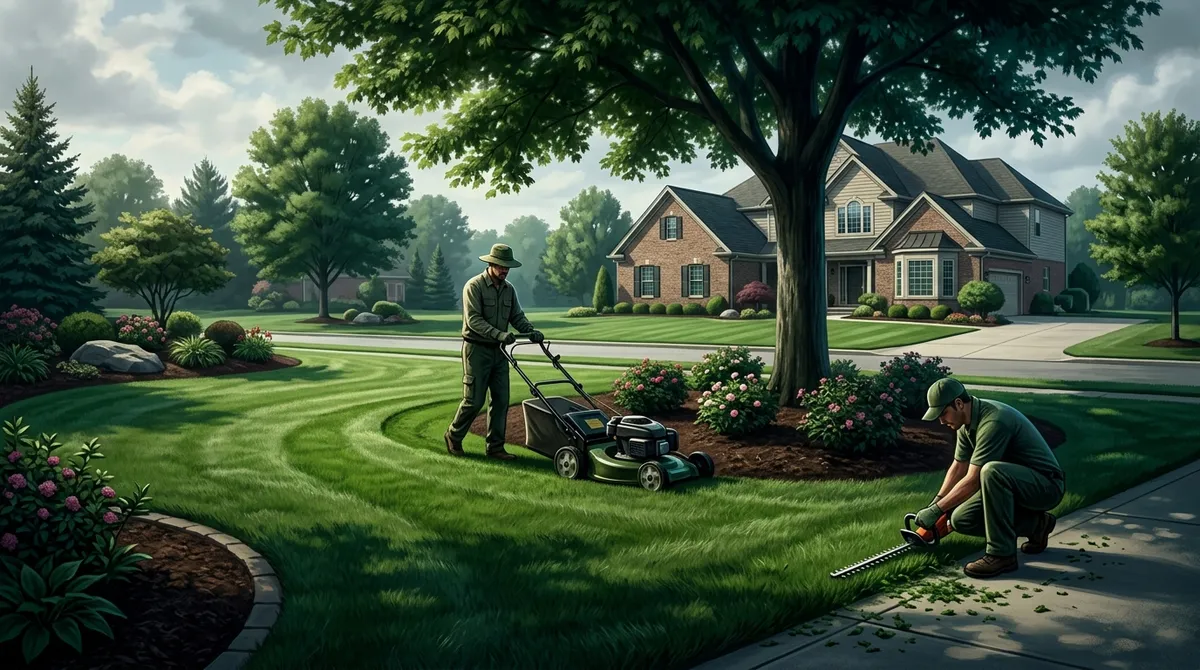
A clean edge makes the whole yard look sharp and polished. But improper trimming technique can do permanent damage to your grass — damage that no amount of watering or fertilizing will fix. These are some of the most overlooked mistakes in DIY lawn maintenance.
String Trimmer Angle and Grass Crown Damage
Holding a string trimmer at the wrong angle is extremely common. When the trimmer head tilts too far into the turf, the spinning line chews right through the grass crown — the growing point at the base of each plant. Once the crown is destroyed, that individual grass plant cannot recover. Repeat this mistake along the same edge a few times, and you’ll have a permanent bare strip running along your walkway.
Creating Soil Trenches Along Sidewalks
Aggressive trimming along sidewalks and driveways can gradually carve a trench into the soil. This trench collects water, creates an uneven surface, and exposes grass roots to heat and drying. Over time, the trench widens and the grass retreats further from the hardscape edge.
Tree Ring Expansion Mistakes
Trimming too close around tree bases removes the grass that protects surface roots. Many homeowners slowly expand their tree rings each season without realizing how much root zone they’re exposing. A proper tree ring stays consistent in size and is mulched to protect roots rather than trimmed bare.
Professional edging tools — like a stick edger with a blade rather than a string trimmer — create clean lines without the damage risk. Our team at Valrico lawn care uses the right tools for every job, protecting your grass while delivering that crisp, finished look you love.
The Leaf Removal Debate Nobody Talks About
Live oak trees are everywhere in Valrico and the surrounding communities. They drop leaves constantly, and homeowners often disagree about the best way to handle them. Is it better to mulch, bag, or blow everything away? The answer is more nuanced than most people realize — and the wrong choice can hurt your lawn more than the leaves themselves.
Mulching Benefits Versus Complete Removal
Mulching leaves with your mower breaks them into tiny pieces that decompose quickly and return nutrients to the soil. A light layer of mulched leaves is actually beneficial for your lawn. However, thick layers of whole leaves block sunlight and trap moisture, leading to fungal problems and smothered grass underneath.
Our leaf clean-up service takes the guesswork out of this process. We assess your specific yard conditions and handle removal efficiently so your grass stays healthy year-round.
Thatch Buildup from Excessive Debris
Leaving too much organic debris on your lawn creates thatch — a dense layer of dead material that sits between the soil surface and living grass. A thin thatch layer (under half an inch) is fine. Anything thicker blocks water, air, and nutrients from reaching the roots. This is a slow problem that creeps up over months before you notice the damage.
Seasonal Timing for Oak Leaf Management
Live oaks drop leaves most heavily in late winter and early spring — just as your warm-season grass is trying to wake up and grow. This timing makes prompt removal especially important. Letting leaves pile up during this window can stall your lawn’s spring recovery significantly.
Equipment Choices Affecting Grass Health
- Leaf blowers work well for moving debris but don’t reduce volume
- Mulching mowers shred leaves in place, saving time and adding organic matter
- Vacuum systems collect and bag debris in one pass
- Rakes are effective for small yards but labor-intensive on larger properties
Choosing the right tool for your yard size and debris volume makes a real difference in both efficiency and turf health. You can also check out our gallery to see how a proper clean-up transforms a yard from messy to pristine.
When DIY Maintenance Costs More Than Professional Service
Many homeowners assume that doing their own lawn maintenance saves money. And sometimes it does — if you already have the right equipment, the time, and the knowledge to do the job correctly. But when you add up all the real costs, professional lawn maintenance near me often turns out to be the smarter financial choice.
Equipment Investment Versus Service Contracts
A quality self-propelled mower runs between $400 and $700. Add a string trimmer ($150–$300), edger ($100–$250), and leaf blower ($100–$300), and you’re looking at over $1,000 in upfront equipment costs before your first mow. Then factor in maintenance, fuel, blade sharpening, and eventual replacement parts.
| Cost Category | DIY Annual Estimate | Professional Service |
|---|---|---|
| Equipment purchase/maintenance | $200–$400/year | $0 |
| Weekly mowing (time value) | $800–$1,500/year | Included |
| Repair costs from mistakes | $200–$600/year | $0 |
| Monthly professional service | N/A | ~$200/month |
Time Value Calculations for Busy Homeowners
How much is your Saturday morning worth? For busy homeowners aged 30 to 50 with demanding jobs and active families, trading two hours of weekend time for yard work adds up fast. Monthly lawn service — including weekly visits — averages around $200 per month depending on yard size. That’s roughly $50 per week to get your time back and keep your lawn looking professionally maintained.
Repair Costs from Improper Techniques
The mistakes covered in this article aren’t just cosmetic. Scalped lawns, trimmer damage, and fungal disease can require sod replacement, professional treatments, and months of recovery time. Those repair costs often dwarf what professional service would have cost in the first place.
Local Valrico Service Pricing Comparisons
In the Valrico area, lawn mowing typically ranges between $40 and $100 per cut, depending on yard size and service frequency. All Trusted Lawn Care falls right in the middle of that range — delivering professional results and reliable service at a fair value that busy homeowners and seniors across the area trust week after week.
Free Estimate Evaluation Tips
When evaluating any lawn service, keep these tips in mind:
- Always request a free estimate before committing to service
- Walk the property together so nothing gets missed
- Ask what’s included in each visit (mowing, edging, trimming, blowing)
- Confirm the service frequency that fits your lawn’s needs
- Check online reviews and ask neighbors for referrals
You can visit us on Google to read real reviews from homeowners across Valrico, Brandon, Bloomingdale, and Fishhawk. We’re proud of what our customers say — and we’d love to add your yard to our growing family of happy clients.
For a deeper look at how to evaluate your options, check out our guide on how to choose the best lawn care service for your needs. It walks you through exactly what to look for so you make a confident, informed decision.
Whether you’re in Brandon, Bloomingdale, or Fishhawk, our team is just around the corner and ready to help. Follow us on Facebook for seasonal lawn tips, before-and-after photos, and community updates.
Take the Next Step Toward a Healthier Lawn
Now you know the six mistakes that silently damage lawns across Valrico neighborhoods every week. From cutting grass too short and fertilizing at the wrong time, to evening watering, improper trimming, leaf management missteps, and underestimating the true cost of DIY care — these are fixable problems once you know they exist.
The best lawns in your neighborhood didn’t get that way by accident. They’re maintained consistently, correctly, and with the right tools and knowledge. Whether you want to sharpen your own skills or hand the job off to a team you can trust, the path forward starts with a single conversation. Learn more about how a lawn care solution tailored to your yard can make all the difference this season.
Ready to stop guessing and start seeing real results? Reach out to our team today for your free estimate — or simply give us a call at 813-833-1882 and let’s talk about what your lawn needs to thrive. We’re here, we’re local, and we’d love to help.
For additional guidance on choosing the right lawn mower type for your yard size and grass species, Wikipedia’s lawn mower resource offers a helpful overview of available equipment options.
FAQs
Q: How often should I change my mower blade to prevent grass damage?
A: A good rule of thumb is to sharpen or replace your mower blade every 20 to 25 hours of use — that’s roughly once a month during active mowing season here in Florida. A dull blade tears grass instead of cutting it cleanly, leaving ragged edges that turn brown and invite disease. If you notice your grass tips looking shredded or whitish after mowing, that’s a sure sign your blade needs attention!
Q: What’s the best time of day to water lawns in Florida’s humid climate?
A: Early morning is absolutely the sweet spot — aim for somewhere between 4 a.m. and 10 a.m. for the best results. Watering during this window lets moisture soak into the root zone while giving grass blades time to dry out before evening, which helps prevent the fungal diseases that Florida’s humidity loves to encourage. Evening watering is the one habit we’d love to see every homeowner ditch as soon as possible!
Q: Should I bag grass clippings or leave them on the lawn?
A: Leaving clippings on the lawn — called grasscycling — is actually great for your turf when you’re mowing regularly and not removing too much length at once. Short clippings decompose quickly and return nitrogen and moisture back to the soil, acting like a light natural fertilizer. However, if your grass is long and overgrown before mowing, bagging is the better call so thick clumps don’t smother the turf underneath.
Q: How do I know if my lawn needs aeration versus just fertilization?
A: If your soil feels hard and compacted underfoot, water pools on the surface after rain, or your grass looks thin despite regular feeding, aeration is likely what your lawn needs most. Fertilization addresses nutrient deficiencies, while aeration opens up the soil so air, water, and nutrients can actually reach the root zone effectively. We’re happy to connect you with a trusted local partner who specializes in soil care and aeration services if you’d like a professional assessment!
Q: What’s the minimum equipment needed for basic lawn maintenance?
A: For basic lawn maintenance near me on a typical Florida residential yard, you’ll want a mower (self-propelled works great for larger lots), a string trimmer for edges and tight spaces, and a leaf blower to clean up after cutting. A stick edger is a wonderful bonus for keeping those crisp clean lines along sidewalks and driveways without damaging grass crowns. Of course, if purchasing and maintaining all that equipment sounds like a lot, a professional lawn maintenance service is often the most convenient and cost-effective solution for busy homeowners!