Key Takeaways
-
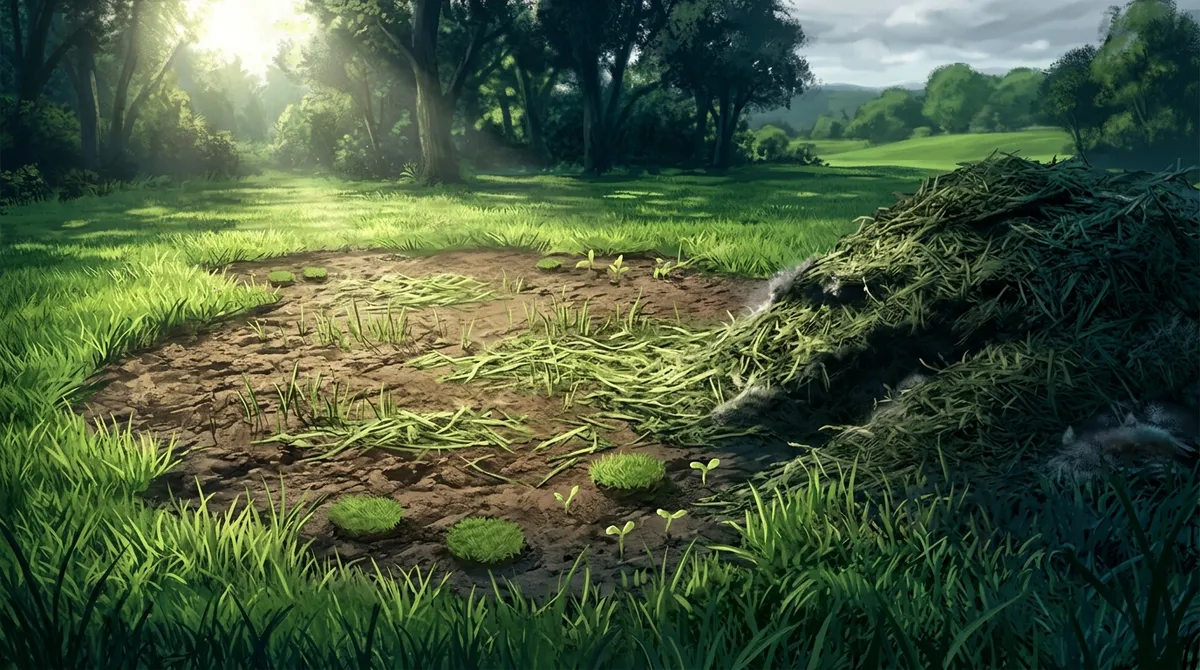
Grass clippings alone cannot fix bare spots because they contain no seeds; they work best as a thin supporting layer alongside seeding or sodding to retain moisture and add nutrients.
-
Thick piles of grass clippings on bare spots can suffocate seedlings, block sunlight, trap moisture, and promote fungal diseases—especially problematic in Florida's warm, humid climate.
-
For Bloomingdale's St. Augustine grass, sod installation or sod plugs are the most effective bare spot repair method since this grass type spreads via stolons rather than seeds.
-
Identify and address the root cause of bare spots—heavy foot traffic, drought stress, pest damage, chemical spills, shade, or poor soil—before attempting any repair method.
-
Use grass clippings correctly on healthy lawns by spreading them in thin, even layers no thicker than half an inch to maximize nutrient recycling without creating fungal problems.
-
If bare spots keep reappearing after repair attempts, consult a professional lawn care expert to identify underlying issues like pest infestations, disease, or soil compaction.
If you’ve ever mowed your lawn and noticed a few bare, patchy spots staring back at you, you’ve probably wondered if there’s a quick fix. One question that comes up a lot — especially among homeowners in Bloomingdale, Florida — is whether putting grass clippings on bare spots actually helps grass grow. It’s a totally understandable thought! You’ve already got the clippings right there, and wasting them seems silly.
The short answer is: it depends. Grass clippings can be helpful in some situations, but they’re not a magical cure for every bare spot. In this article, we’ll break down exactly how clippings work, when they help, when they hurt, and what you can do to restore those bare patches for good. Whether you’re a busy parent, a new homeowner, or just someone who loves a beautiful yard, this guide is for you.
What Are Grass Clippings and Why Do They Matter?
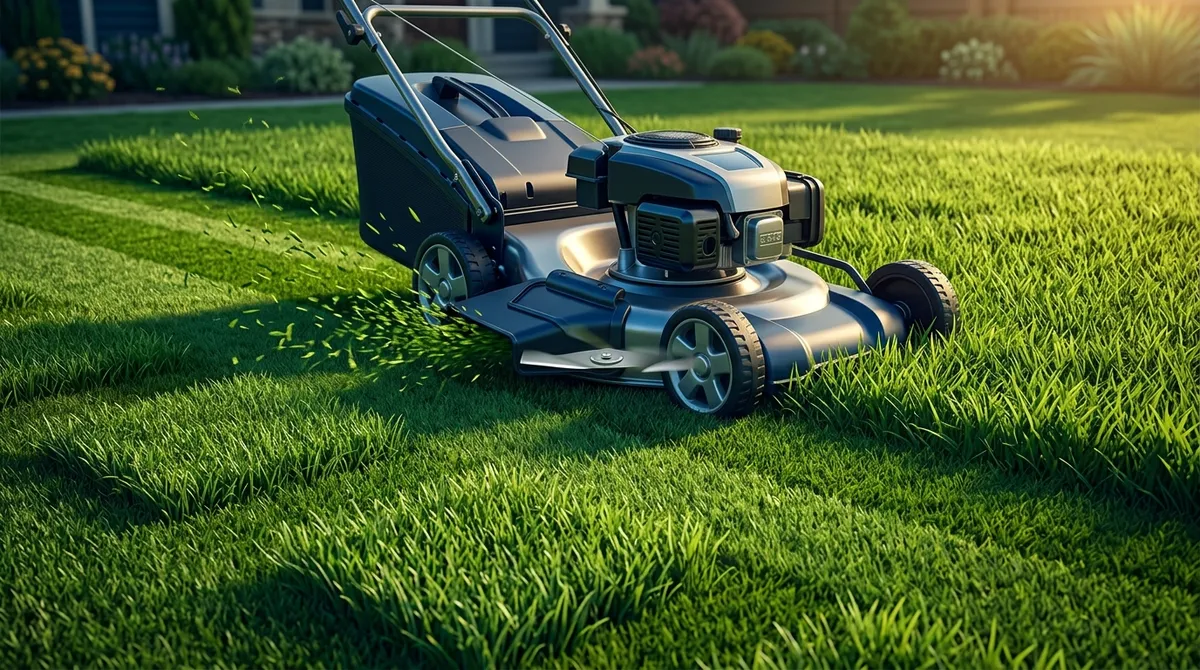
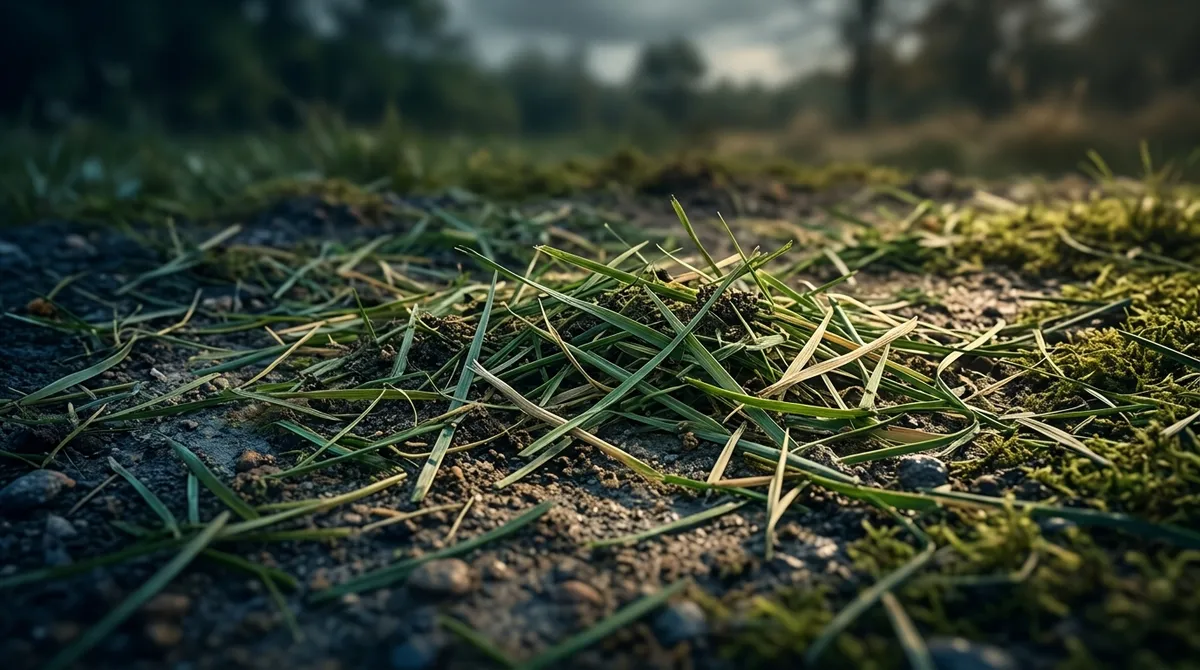
Grass clippings are the small pieces of grass left behind after mowing. Most people either bag them, blow them away, or mulch them back into the lawn. Clippings are mostly water — about 85% — and the rest is made up of nitrogen, potassium, and other nutrients. That’s why many lawn experts encourage leaving them on healthy turf. To learn more about how mowing choices affect your lawn, check out this helpful guide on why lawn mulching creates healthier grass than bagging.
When clippings break down on a healthy lawn, they return those nutrients to the soil. This is called grasscycling, and it’s a great eco-friendly practice. For families in Bloomingdale who care about keeping their yards safe and sustainable, grasscycling is a win-win. It reduces waste and feeds your lawn naturally.
Can Grass Clippings Help Bare Spots Grow?
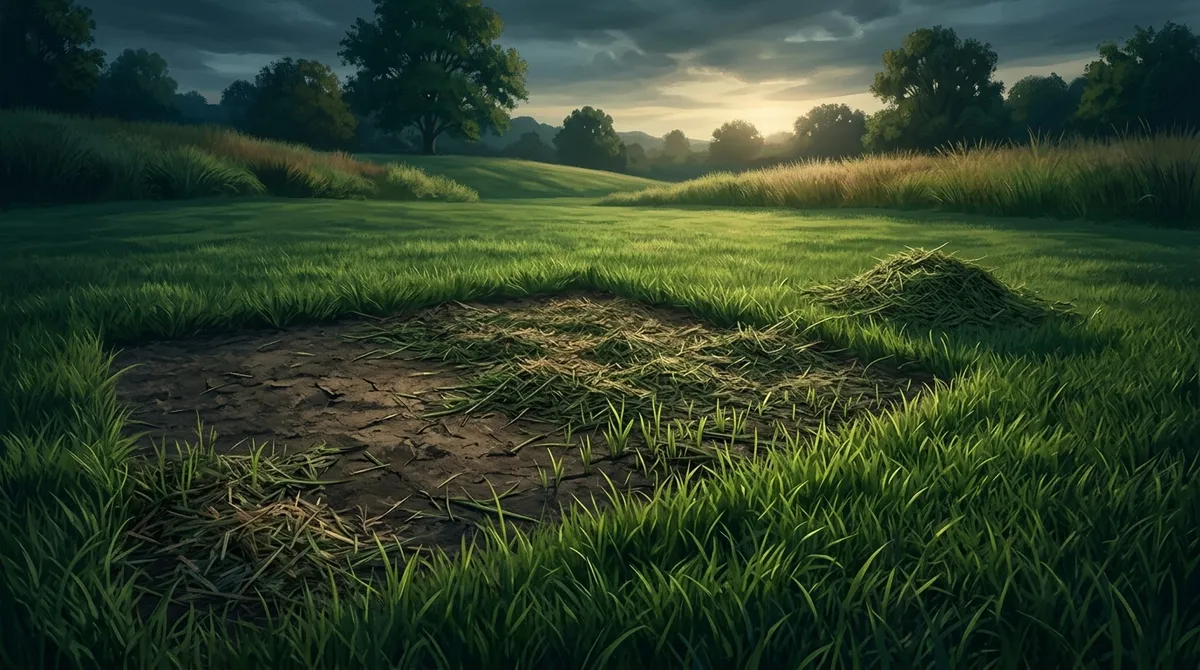
Here’s where things get interesting. Grass clippings alone are not a reliable way to grow new grass in bare spots. Why? Because clippings don’t contain viable grass seeds. They’re just cut blades of grass — they can’t sprout or root into the soil on their own.
That said, there are a couple of ways clippings can support bare spot recovery when used correctly:
- They can act as a light mulch layer to protect freshly seeded soil from drying out
- They can reduce soil erosion in thin or patchy areas
- They slowly release nutrients that support new grass growth nearby
- They can help retain moisture in dry Florida conditions
- They can provide a little shade for delicate new seedlings
So while clippings won’t grow grass on their own, they can play a helpful supporting role if you also seed or sod the bare area. They’re more of a helper than a solution.
When Grass Clippings Can Make Things Worse
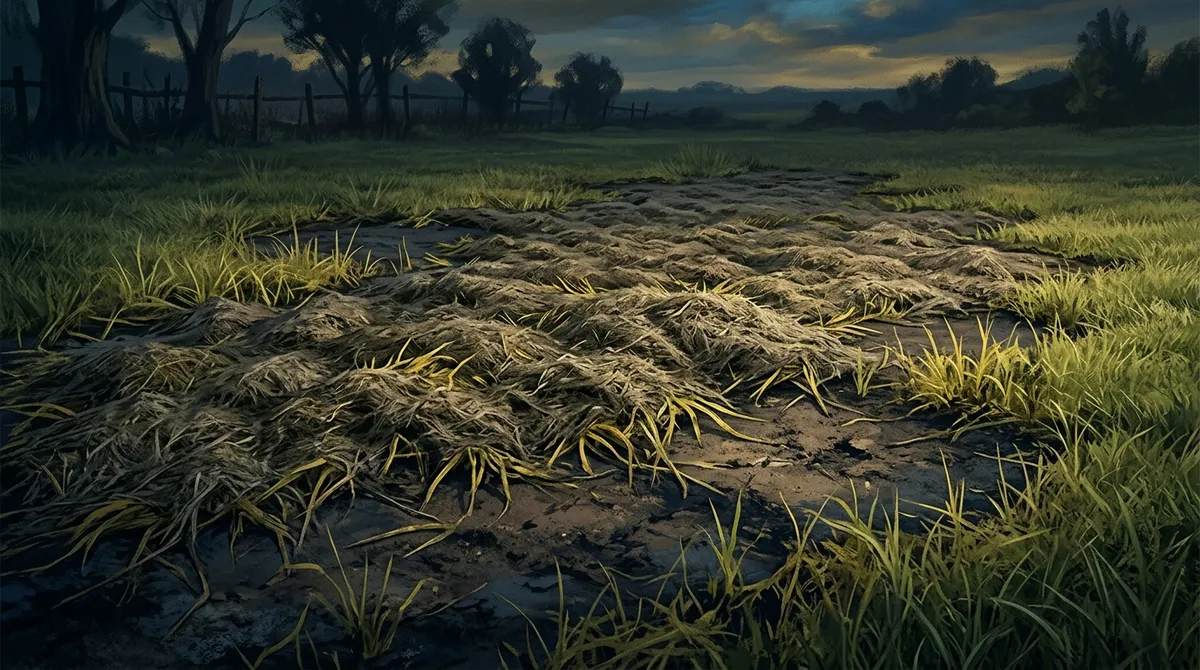
Here’s something most homeowners don’t know: using too many clippings on bare spots can actually make the problem worse. Piling thick layers of clippings can block sunlight and air from reaching the soil. This creates a mat that suffocates any seedlings trying to grow underneath.
Too many clippings can also trap moisture against the soil for too long. In Bloomingdale’s warm and humid climate, that’s a recipe for lawn fungus problems. Fungal diseases love warm, wet conditions — and a thick mat of decomposing clippings creates exactly that environment.
Here’s a quick look at the pros and cons of using grass clippings on bare spots:
| Situation | Grass Clippings Effect | Recommended? |
|---|---|---|
| Thin layer over freshly seeded bare spot | Retains moisture, reduces erosion | Yes, lightly |
| Thick pile on bare dirt | Blocks sunlight, promotes fungus | No |
| Used alone without seeding or sodding | Adds nutrients but no new growth | Limited benefit |
| Scattered over healthy lawn | Feeds soil, reduces waste | Yes |
| Applied during wet Florida summer | Risk of mold and fungal growth | Use with caution |
What Actually Causes Bare Spots in Your Lawn?
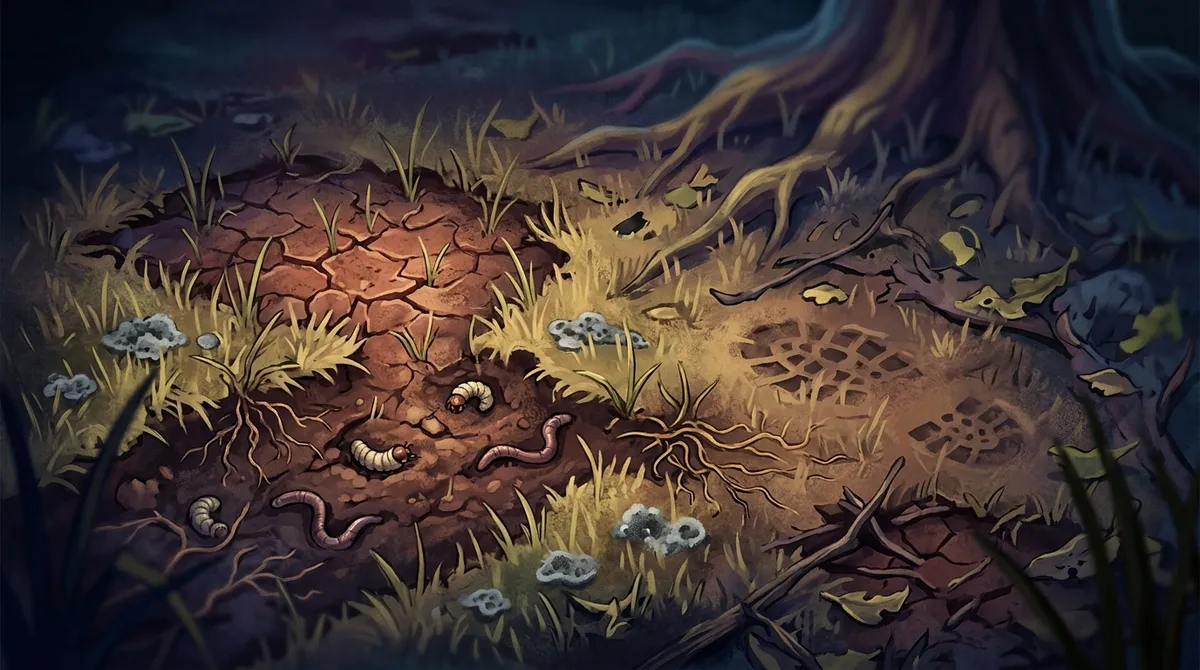
Before you fix a bare spot, it helps to know why it appeared. Different causes need different fixes. Here are the most common culprits in Bloomingdale-area lawns:
- Heavy foot traffic — Kids, pets, and frequent walking can compact the soil and kill grass in high-use areas
- Drought stress — Florida summers are hot, and under-watered spots die off quickly
- Pest or disease damage — Grubs, chinch bugs, and lawn fungus can wipe out patches of turf
- Chemical spills — Fertilizer burn, gasoline, or pet urine can kill grass in concentrated areas
- Shaded areas — Low-light zones under trees struggle to maintain grass coverage
- Poor soil quality — Compacted or nutrient-deficient soil can’t support healthy growth
Knowing the cause makes a big difference. If the issue is pest damage or fungus, you’ll want to address that first before attempting any repair. You may want to read more about common lawn care problems and how to fix them for a deeper look at diagnosing these issues.
Better Ways to Repair Bare Spots in Bloomingdale Yards
If grass clippings alone aren’t going to do the trick, what actually works? Here are the most effective methods for restoring bare patches in your lawn:
1. Overseed the Bare Area
Overseeding involves spreading grass seed directly onto the bare spot. First, loosen the soil about an inch deep with a rake. Then spread your seed, press it gently into the soil, and keep it watered daily until germination. This works best in the cooler months for most Florida grass types.
2. Sod Installation
For faster results, sod is the way to go. You cut a piece of sod to fit the bare area, lay it down, and water it in. Within a few weeks, it roots and blends with the surrounding turf. This is especially popular for homeowners who want instant results. Sod installation is one of the most effective ways to eliminate bare spots quickly and reliably. You can also learn more about what sod installation is and why your lawn needs it.
3. Topdressing with Compost
Spreading a thin layer of compost over bare soil adds organic matter and nutrients. This improves soil structure and gives seeds a better environment to germinate. It’s a gentle and eco-friendly approach that eco-conscious families in Bloomingdale tend to love.
Here’s a simple step-by-step process for fixing a bare spot the right way:
- Identify and eliminate the cause of the bare spot (pests, disease, compaction, etc.)
- Rake the area lightly to loosen the top inch of soil
- Remove any dead grass or debris from the area
- Add a thin layer of compost or topsoil if needed
- Apply grass seed or lay a sod piece cut to fit
- Cover lightly with a thin layer of straw or — yes — a very light dusting of grass clippings
- Water daily for the first two weeks to keep the area moist
- Avoid foot traffic on the repaired area for at least four weeks
The Right Way to Use Grass Clippings in Your Lawn
Even if clippings aren’t a standalone fix for bare spots, they’re still incredibly valuable for your overall lawn health. The key is using them the right way. Here are some smart tips for putting clippings to work:
- Spread them in a thin, even layer — never more than half an inch thick
- Only use clippings from a healthy lawn — avoid clippings that came from a diseased or weedy area
- Let them dry slightly before spreading to reduce fungal risk
- Never use clippings that were treated with herbicides on garden beds or vegetable areas
- Mix clippings into a compost pile for a powerful soil amendment
If your lawn is being regularly mowed at the right height, your clippings will be short enough to fall between the grass blades and decompose quickly. This is actually the ideal scenario for grasscycling. For tips on the perfect mowing height, check out this guide on the best mowing height for St. Augustine grass, which is common in Bloomingdale yards. You can also explore why regular mowing of grass is so important for your lawn.
What Type of Grass Is Common in Bloomingdale, FL?
Most lawns in Bloomingdale and surrounding areas are planted with St. Augustine grass. It’s a warm-season turf that thrives in Florida’s heat and humidity. St. Augustine spreads through runners called stolons, not seeds — which is one reason why overseeding bare spots can be tricky.
Here’s a comparison of how bare spots are best repaired depending on your grass type:
| Grass Type | Best Repair Method | Why It Works |
|---|---|---|
| St. Augustine | Sod plugs or full sod pieces | Spreads via stolons, not seed |
| Bahia | Seeding or sod | Seeds readily available and germinates well |
| Zoysia | Sod plugs | Slow spreading; plugs root efficiently |
| Bermuda | Seeding or hydroseeding | Germinates quickly in warm temperatures |
Understanding your grass type is key. If you’re not sure what type of grass you have, a local lawn care professional can help you identify it and recommend the best repair strategy. The team at All Trusted Lawn Care serves Bloomingdale and surrounding communities and is always happy to take a look.
When to Call a Lawn Care Professional
Sometimes bare spots are a sign of a bigger problem. If you’ve tried patching them and they keep coming back, it’s time to call in the pros. A professional eye can spot issues like lawn disease, pest infestations, drainage problems, or soil compaction that might be invisible to most homeowners.
Here’s when you should seriously consider reaching out for help:
- Bare spots keep reappearing even after repair attempts
- You notice discoloration or unusual patterns around the bare areas
- The patches seem to be spreading or growing
- You’re not sure what type of grass you have or what’s causing the problem
- You simply don’t have the time or energy to manage the repair yourself
If you’ve been Googling for lawn solutions and are feeling overwhelmed, you’re not alone. Many Bloomingdale homeowners deal with patchy lawns, especially during the hotter months. You can explore more solutions at All Trusted Lawn Care’s lawn care solutions page, or check out the Bloomingdale lawn care services to see how local experts can help. You can also visit our Google Business Profile to see what our neighbors are saying about us.
For more inspiration and ideas on maintaining a healthy yard all year, browse the All Trusted Lawn Care gallery to see what a beautifully maintained Bloomingdale lawn looks like. You can also follow us on Facebook for seasonal lawn care tips and updates from your local lawn care team.
And if you’re curious about how grass-cutting tools have evolved over the years, the history of the lawn mower on Wikipedia is actually a fascinating read that puts modern lawn care in perspective.
For a broader understanding of what proper lawn upkeep looks like throughout the year, this article on how to keep your lawn looking great all year long is a great place to start. For more seasonal guidance, check out these 15 spring lawn care tips for a lush, green yard in 2026.
Final Thoughts: Clippings Help, But They’re Not the Answer
So, does putting grass clippings on bare spots help grass grow? Not really — at least not on their own. Clippings don’t carry seeds and can’t sprout new turf. But used the right way, in a thin layer, they can support a repair by holding moisture and adding nutrients.
For real, lasting results, you need to address the root cause of the bare spot, then use proper repair methods like sod, seeding, or compost topdressing. In Bloomingdale’s warm climate, sod installation tends to be the fastest and most reliable solution for patchy lawns.
Whether you’re a busy parent, a new homeowner, or just someone who wants a yard they’re proud of, professional lawn care makes a real difference. Don’t let those bare spots bring your curb appeal down. Reach out to All Trusted Lawn Care for a free estimate, or give us a call at 813-833-1882 — we’d love to help your Bloomingdale lawn look its best.
FAQs
Q: Does putting grass clippings on bare spots help grass grow?
A: Grass clippings alone won’t grow new grass on bare spots because they don’t contain seeds. However, a thin layer of clippings can help retain moisture and add nutrients when used alongside seeding or sodding — just don’t pile them too thick!
Q: How thick should the layer of grass clippings be on a bare spot?
A: Keep it light — no more than a quarter to half an inch thick. A thin layer lets sunlight and air reach the soil, which is essential for any new grass to take root and thrive.
Q: What is the best way to fix bare spots in a Bloomingdale lawn?
A: For most Bloomingdale yards with St. Augustine grass, sod installation or sod plugs work best. St. Augustine spreads through runners, not seeds, so patching with sod gives you the fastest and most reliable results.
Q: Can diseased grass clippings make bare spots worse?
A: Absolutely — if your clippings come from a diseased or fungus-affected area, spreading them on bare spots can actually spread the problem further. Always use clippings from healthy, disease-free grass sections of your lawn.
Q: When should I call a professional for bare spots in my lawn?
A: If bare spots keep coming back after you’ve tried to fix them, or if you notice them spreading, it’s a great sign to call in a professional. There may be an underlying issue like pests, fungal disease, or soil compaction that needs expert attention.