Key Takeaways
-
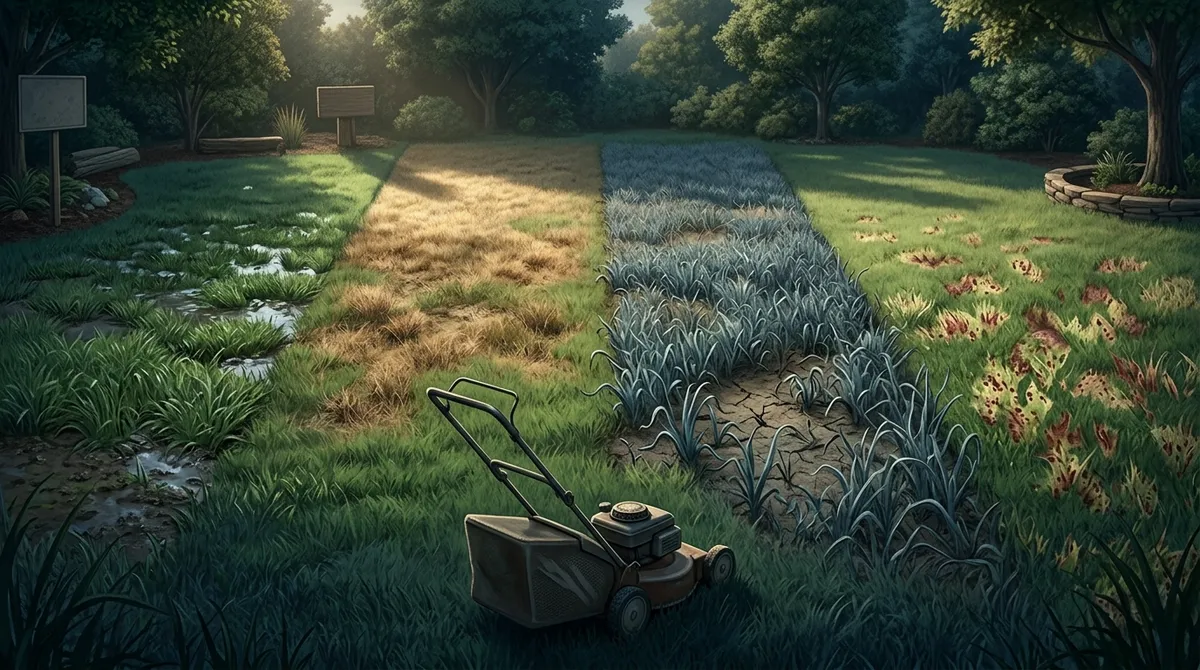
Wait 24-48 hours after heavy rain before mowing, as wet grass clumps in the mower deck, creates soil ruts, spreads fungal disease, and produces uneven cuts.
-
Avoid mowing between 10 AM and 4 PM during summer heat, as it creates open wounds on grass blades that dry instantly and increases risk of scorching and browning.
-
Do not mow drought-stressed grass showing bluish-gray color, lack of spring-back, or crispy patches; instead focus on deep watering to help the plant recover first.
-
Never cut more than one-third of the grass blade at once; gradually reduce overgrown grass over 2-3 mowings spaced days apart to prevent shocking the plant into stress.
-
Skip mowing diseased or fungal-infected grass, as mower blades spread spores across the entire yard; consult a lawn care expert for fungal treatment instead.
-
Sharpen mower blades at least once or twice per season, as dull blades tear grass and create brown, frayed tips that invite disease rather than making clean cuts.
Mowing your yard feels like a simple chore. But did you know there are times when mowing can actually hurt your lawn? Most homeowners in Bloomingdale, Florida grab the mower and go — no matter what the weather, season, or grass condition looks like. That can lead to dead patches, disease, and a lot of wasted effort. Knowing when should you not mow your yard is just as important as knowing when to do it. Whether you’re a busy parent juggling work and family, a new homeowner figuring things out, or a senior who wants a healthy yard without overworking it, this guide is for you. We’ll walk through the conditions, situations, and grass states that mean you should put the mower away — and let your lawn breathe. Let’s keep your Bloomingdale yard looking its best, the smart way.
Why Skipping a Mow Is Sometimes the Right Call
Most people think more mowing equals a better lawn. That’s simply not true. Grass is a living thing. It has stress points, recovery periods, and natural rhythms. Cutting at the wrong time can open your lawn up to disease, dry it out faster, and even kill large sections of turf. Understanding when to hold off is one of the most important lawn care tips any homeowner can learn.
Think of it this way. You wouldn’t exercise hard when you’re already sick or exhausted. Your grass feels the same way. When it’s under stress — from heat, drought, or disease — adding the trauma of a mow makes things worse. A healthy mowing schedule works with your lawn, not against it.

Do Not Mow When the Grass Is Wet
This is one of the biggest mistakes homeowners make in Bloomingdale, especially during Florida’s rainy season. Mowing wet grass causes several problems at once. It’s also a safety risk for whoever is operating the lawn mower.
Here’s what happens when you mow wet grass:
- Grass blades clump together and clog your mower deck
- Clippings mat down and block sunlight from reaching the soil
- Mower wheels leave deep ruts in soft, saturated soil
- Fungal diseases spread much faster across damp, freshly cut grass
- Uneven cuts leave your lawn looking ragged and patchy
After a heavy rain, wait at least 24 to 48 hours before you mow. The grass needs time to dry and stand back up properly. This small wait makes a big difference in the quality of your cut and the health of your turf. For more help navigating Florida’s wet seasons, check out how to master Florida lawn care for a lush, healthy yard in 2026.

Avoid Mowing During Extreme Heat
Florida summers are brutal. Temperatures in Bloomingdale can easily climb into the high 90s. During peak heat — usually between 10 AM and 4 PM — your grass is already stressed. Mowing at this time adds even more pressure to the plant.
When you cut grass in extreme heat, you:
- Remove moisture the plant is desperately trying to keep
- Create open wounds on the grass blades that dry out instantly
- Increase the risk of scorched tips and browning
- Stress the root system at the worst possible time
The best time to mow during summer is early morning (after the dew dries) or in the late afternoon. You want cooler air temperatures and a dry blade surface. This simple timing shift protects your grass and keeps your lawn looking green and lush all summer long. You can also explore what your lawn really needs this summer for more seasonal guidance.

Do Not Mow Drought-Stressed Grass
When your lawn hasn’t had enough water, the grass enters survival mode. It pulls resources inward and slows its growth. At this point, mowing is one of the worst things you can do. Cutting drought-stressed grass removes the very leaf surface the plant needs to absorb sunlight and recover.
Signs your grass is drought-stressed include:
- Blades turning bluish-gray or dull green instead of bright green
- Grass that stays flat after you walk on it (no spring back)
- Visible dry, crispy patches appearing across the yard
- Soil that feels rock hard and cracked when you press it
In this case, your lawn needs water — not a cut. Focus on getting a good deep watering session in before you think about mowing. Once the grass has recovered and started growing again, then it’s safe to mow. You might also want to read about the best time to water your lawn for a lush Florida yard.
When Should You Not Mow Your Yard During Dormancy?
Most Bloomingdale lawns use warm-season grasses like St. Augustine or Bahia. These grasses go partially dormant during cooler months. When your grass slows way down or stops growing, there’s simply no reason to mow it.
Here’s a simple guide to mowing frequency based on season:
| Season | Grass Growth Rate | Recommended Mowing Frequency |
|---|---|---|
| Spring | Moderate to Fast | Every 1–2 weeks |
| Summer | Fast | Every 1–2 weeks (avoid peak heat hours) |
| Fall | Slowing Down | Every 2–3 weeks |
| Winter/Dormancy | Very Slow or Stopped | Once a month or skip entirely |
Mowing dormant grass too short can damage the crown of the plant — the part just above the soil where new growth comes from. This can delay your lawn’s spring green-up significantly. Instead, leave dormant grass a little longer and let it protect itself through the cooler months. For more on this, see 15 dormant grass tips that save your lawn in 2026.
Do Not Mow When Your Grass Is Diseased
Lawn diseases can spread very quickly. If you see unusual spots, rings, or discoloration in your grass, mowing might be the worst move. The mower blades pick up fungal spores and spread them across the entire yard with every pass.
Common signs of lawn disease include:
- Brown or yellow patches that seem to grow over time
- Circular rings of dying grass (also called fairy rings)
- White, gray, or orange powdery coating on grass blades
- Slimy or water-soaked-looking areas in the lawn
If you suspect a lawn disease, hold off on mowing and call a local lawn care expert. While lawn maintenance services like those offered by All Trusted Lawn Care focus on mowing and general upkeep, they can also point you in the direction of trusted local partners who handle fungal treatment and disease control — so your lawn gets the right care, fast.
Never Mow Too Short — The 1/3 Rule Matters
Knowing when not to mow also means knowing how much to cut. One of the most damaging mistakes is cutting too much at once. This is known as scalping, and it shocks your grass into stress mode almost immediately.
The golden rule of mowing is simple: never cut more than one-third of the grass blade at once. If you let your lawn get too tall, don’t try to bring it back down in one session. Take it down gradually over two or three mowings, spaced a few days apart.
Here’s a step-by-step approach for tackling overgrown grass:
- Set your mower to its highest cutting height for the first pass
- Wait 3 to 5 days for the grass to recover before mowing again
- Lower your cutting height slightly on the second mow
- Wait another few days before making a third pass if needed
- Aim to get back to your normal mowing height gradually
This approach protects the root system and prevents the brown, dead look that comes from cutting too low all at once. You can learn more about this approach with how to use the 1/3 rule for a healthier, greener lawn.
Do Not Mow With Dull Blades
This one surprises a lot of people. It’s not just when you mow — it’s also how your mower is set up. Dull mower blades tear grass instead of cutting it cleanly. That tearing creates jagged edges that turn brown and invite disease.
If your mower blades are dull, you should either sharpen them before mowing or skip the session until they’re ready. Mowing with dull blades causes more harm than skipping a week would.
Signs your blades need attention:
- Grass tips look brown and frayed after mowing
- Your mow lines look uneven or wavy
- The mower sounds louder or labors more than usual
- You notice grass pulling up instead of cutting clean
Blades should be sharpened at least once or twice a season — more often if you’re mowing a large property. If you’re tired of the maintenance headache, consider reaching out to a local pro. You can get in touch with our team at All Trusted Lawn Care for consistent, professional mowing service across Bloomingdale and surrounding areas.
Other Situations When You Should Skip Mowing
Beyond weather and grass health, there are a few other situations where holding off on mowing is the smart move. Knowing these can save you time, effort, and a damaged lawn.
- Right after sod installation: New sod needs time to root. Mowing too soon pulls the sod up and disrupts root development. Wait at least 2 to 3 weeks after sod installation before making your first cut.
- During high winds: Debris can become dangerous projectiles when mowing in windy conditions. It’s also harder to maintain a straight line and even cut height.
- When your lawn has active pest damage: If grubs or chinch bugs are actively damaging your grass roots, mowing can worsen the stress. Address the pest problem first before resuming mowing.
A Quick Reference: When to Mow vs. When to Skip
| Condition | Should You Mow? | Why |
|---|---|---|
| After heavy rain (within 24 hrs) | No | Wet grass clumps, ruts form, disease spreads |
| Peak summer heat (10 AM – 4 PM) | No | Grass stress spikes; blades scorch faster |
| Drought-stressed lawn | No | Grass needs water and recovery, not cutting |
| Dormant winter grass | Rarely | Little to no growth; cutting can damage crowns |
| Diseased or fungal grass | No | Mowing spreads spores across the whole lawn |
| Newly installed sod | No (wait 2-3 weeks) | Roots need time to establish first |
| Dry, healthy, normal growth | Yes | Ideal conditions for a clean, healthy mow |
How Professionals Handle Mowing Timing
One of the biggest perks of hiring a professional lawn care service is that they know exactly when to mow — and when to hold off. Professionals watch the weather, check grass health, and adjust their schedules accordingly. They won’t mow your lawn in the rain just to check a box on their schedule.
The team at All Trusted Lawn Care serves Bloomingdale, Valrico, Fishhawk, Boyette, East Brandon, and Riverview. We understand the local Florida climate and how it affects your grass week to week. We’re proud to show up consistently and make the right calls for your lawn’s health. You can see what our neighbors are saying by visiting our All Trusted Lawn Care profile on Google — real reviews from real homeowners just like you.
If you’re tired of guessing, check out DIY lawn mowing vs. hiring a pro: which wins for a clear breakdown of the benefits.
Smart Lawn Care Is About More Than Just Mowing
Understanding when should you not mow your yard is just one piece of a bigger lawn care puzzle. Regular care — done at the right time and in the right way — adds up to a yard you can be proud of all year long. Whether you’re in Bloomingdale, FL or a surrounding neighborhood, your lawn deserves thoughtful attention.
You can also follow All Trusted Lawn Care on Facebook for seasonal tips, local lawn advice, and updates from our team in the field. It’s a great way to stay connected and in the know about caring for your specific type of grass.
And if you ever feel overwhelmed by all the rules and timing, remember: you don’t have to figure it all out alone. Professional help is available, affordable, and honestly just easier. Take a look at our full range of lawn care services to see how we can take that stress off your plate.
Conclusion: Give Your Lawn the Right Kind of Care
Knowing when should you not mow your yard can save your lawn from serious damage. Skip the mow when it’s wet, too hot, drought-stressed, dormant, or diseased. Always follow the one-third rule. Use sharp blades. And time your mowing sessions to work with your grass — not against it.
Your Bloomingdale lawn deserves consistent, knowledgeable care. If you’d like to hand things off to a local team that truly gets it, we’d love to help. For reliable lawn maintenance that keeps your yard healthy all season, reach out today. Visit our website and get started — or simply give us a call at 813-833-1882 to schedule your free estimate. We’re here, we’re local, and we’re ready to make your yard look amazing.
FAQs
Q: Is it bad to mow your lawn right after it rains?
A: Yes, mowing right after rain is one of the most common lawn care mistakes! Wet grass clumps together, clogs your mower, and spreads fungal disease. Wait at least 24 to 48 hours after heavy rain before mowing for a clean, healthy cut.
Q: Can I mow my lawn in the middle of the day during summer?
A: We’d strongly recommend skipping the midday mow during hot Florida summers! Mowing between 10 AM and 4 PM puts extra stress on already heat-stressed grass. Early morning or late afternoon is a much kinder time for your lawn — and for you!
Q: How do I know if my grass is too stressed to mow?
A: Great question! Look for signs like a dull bluish-gray color, grass that doesn’t spring back after you step on it, or dry, crispy patches. If you’re seeing these, hold off on mowing, water your lawn deeply, and let it recover before picking up the mower again.
Q: Should I mow dormant grass in winter in Bloomingdale, FL?
A: Not very often! During dormancy, warm-season grasses like St. Augustine barely grow, so frequent mowing just isn’t necessary. You might mow once a month at most — and always avoid cutting it too short, which can damage the crown and delay spring green-up.
Q: How soon can I mow after new sod is installed?
A: Patience is key after new sod goes in! You’ll want to wait at least 2 to 3 weeks before your first mow. The roots need time to anchor into the soil, and mowing too early can pull up the sod and set back your lawn’s establishment significantly.