Key Takeaways
- Understand your specific grass type to determine the most effective maintenance approach for mowing, watering, and fertilization.
- Never remove more than one-third of grass blade height when mowing to prevent stress and encourage deeper root growth.
- Water deeply but infrequently, providing 1-1.5 inches of water weekly, preferably in early morning to reduce disease risk.
- Apply fertilizer strategically throughout the year, matching nutrient ratios to seasonal grass growth patterns.
- Use core aeration at least annually to reduce soil compaction and improve nutrient, water, and air penetration.
- Prevent weeds by maintaining a dense, healthy lawn that naturally crowds out potential invaders.
- Choose grass varieties that match your specific yard conditions like sunlight exposure, soil type, and local climate.
Having a beautiful, healthy lawn doesn’t have to be complicated. With the right approach and a few simple techniques, you can transform your yard into a lush green space that makes your neighbors envious. Whether you’re a busy homeowner with limited time or someone who genuinely enjoys outdoor work, these practical lawn care tips will help you achieve the lawn you’ve always wanted.
Many people feel overwhelmed by lawn maintenance, but the truth is that consistent care using basic principles yields amazing results. In 2026, homeowners are discovering that smart lawn care isn’t about spending hours every weekend—it’s about working efficiently with nature’s rhythms. Let’s explore the essential tips that will keep your grass healthy, green, and thriving throughout every season.
At All Trusted Lawn Care, we’ve helped countless homeowners in Valrico and surrounding areas achieve beautiful lawns through practical maintenance strategies. Our experience has taught us that success comes from understanding your grass’s needs and responding appropriately. These tips represent years of hands-on experience working with different grass types and Florida’s unique climate challenges.

Understanding Your Grass Type
Before diving into maintenance routines, you need to know what type of grass you’re working with. This knowledge shapes every decision you make about mowing height, watering frequency, and fertilizer choices. Different grasses have different needs, and treating them all the same is a recipe for disappointment.
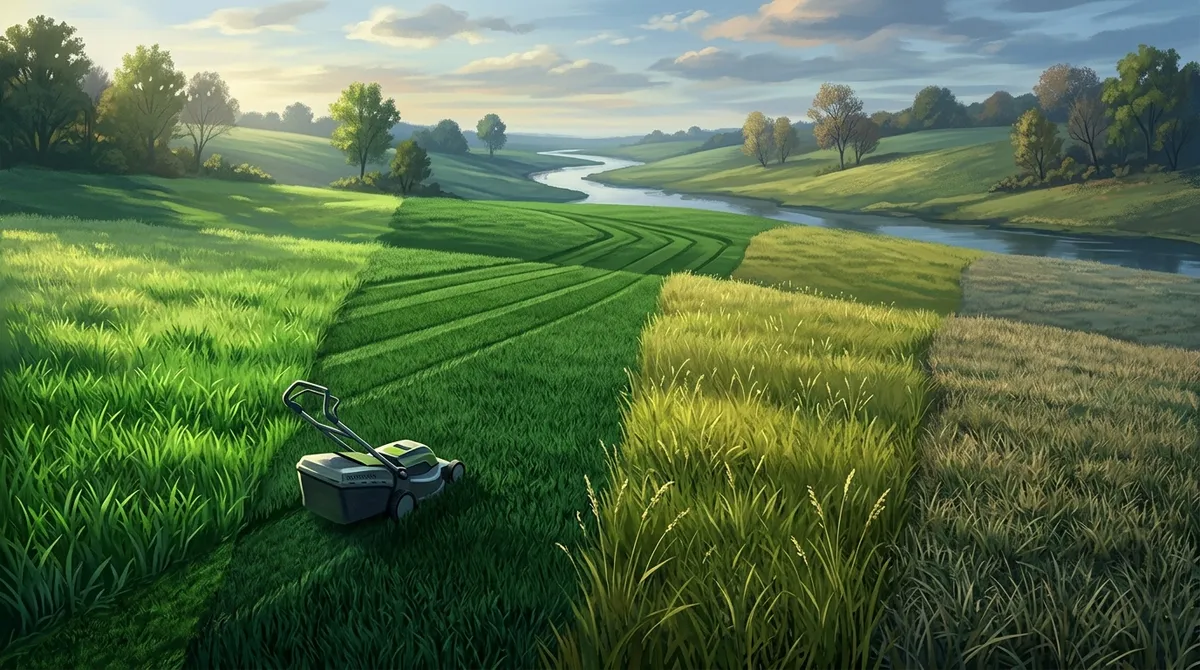
Grass varieties fall into two main categories: cool-season and warm-season. Cool-season grasses like Kentucky bluegrass and fescue thrive in northern climates with mild summers. Warm-season grasses such as Bermuda, St. Augustine, and Zoysia perform best in southern regions with hot summers. Knowing which type you have determines your entire care schedule.
Most Florida homeowners work with warm-season grasses that love heat and sunlight. These grasses grow vigorously during summer months and slow down in winter. Understanding this growth pattern helps you time your maintenance activities for maximum effectiveness. According to lawn care experts, matching your care routine to your grass type is the foundation of successful lawn management.
Choosing the Right Grass for Your Yard
If you’re starting fresh or considering overseeding, selecting the appropriate grass variety is crucial. Consider these factors when making your choice:
- Sunlight exposure in different areas of your yard
- Amount of foot traffic the lawn will receive
- Your local climate and typical weather patterns
- Water availability and irrigation capabilities
- Maintenance time you’re willing to invest
- Soil type and drainage conditions
For shady areas, St. Augustine grass performs exceptionally well in Florida conditions. Bermuda grass handles heavy traffic beautifully but requires full sun. Bahia grass offers excellent drought tolerance with minimal maintenance needs. Taking time to match grass type to conditions prevents frustration and creates a naturally healthy lawn.

Mastering the Art of Mowing
Mowing seems simple, but it’s actually one of the most important maintenance activities for lawn health. How you mow affects everything from root depth to disease resistance. Getting this right makes all other care activities more effective.
The golden rule of mowing is to never remove more than one-third of the grass blade in a single cutting. This prevents stress that weakens the grass and opens the door to weeds and diseases. Cutting too short, called scalping, damages the crown and exposes soil to sunlight, encouraging weed germination.
Optimal Mowing Heights
Different grass types have different ideal mowing heights. Here’s a quick reference table for common warm-season grasses:
| Grass Type | Spring/Fall Height | Summer Height | Mowing Frequency |
|---|---|---|---|
| St. Augustine | 3.5-4 inches | 4-4.5 inches | Weekly |
| Bermuda | 1-2 inches | 1.5-2.5 inches | Twice weekly |
| Zoysia | 1.5-2.5 inches | 2-3 inches | Weekly |
| Bahia | 3-4 inches | 3.5-4.5 inches | Every 10 days |
Raising your mowing height by at least half an inch during summer helps grass cope with heat stress. Taller grass shades the soil, reducing water evaporation and keeping roots cooler. This simple adjustment can dramatically improve your lawn’s appearance during hot months.
Essential Mowing Best Practices
Follow these proven techniques for healthier grass:
- Keep mower blades sharp—dull blades tear grass instead of cutting cleanly, creating brown tips and disease entry points
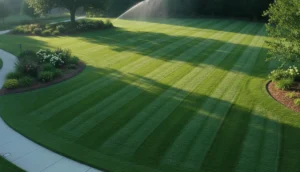
- Change your mowing pattern each time to prevent soil compaction and grass leaning in one direction
- Mow when grass is dry to achieve cleaner cuts and prevent clumping
- Leave grass clippings on the lawn to return nutrients to the soil naturally
- Avoid mowing during the hottest part of the day to reduce stress on both you and the grass
During peak growing season in June and July, warm-season grasses may need mowing once or twice weekly. Don’t view this as a chore—each mowing session is an opportunity to strengthen your lawn. Regular mowing at proper heights encourages deeper root growth and denser turf that naturally crowds out weeds.

Smart Watering Strategies
Water management separates average lawns from exceptional ones. Too much water creates shallow roots and disease problems. Too little water stresses grass and invites weeds. Finding the right balance requires understanding your grass’s needs and adjusting based on weather conditions.
The goal is to provide about 1 to 1.5 inches of water per week through a combination of rainfall and irrigation. This amount promotes deep root growth that helps grass survive drought periods. Deep, infrequent watering beats shallow, frequent watering every time.
Watering Timing and Techniques
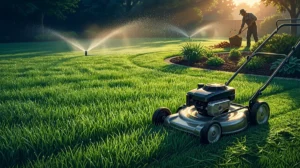
When you water matters as much as how much you water. Early morning irrigation, ideally between 4 AM and 9 AM, gives grass time to dry before evening. This reduces disease risk from prolonged leaf wetness. Morning watering also minimizes evaporation loss compared to midday irrigation.
Here are the key watering principles for healthy grass:
- Water deeply to encourage roots to grow down rather than staying shallow
- Allow soil to dry slightly between waterings to promote root development
- Adjust watering frequency based on rainfall—your lawn doesn’t need irrigation after a soaking rain
- Use the screwdriver test—if you can easily push a screwdriver 6 inches into soil, moisture is adequate
- Watch for early drought stress signs like footprints remaining visible on the lawn
- Reduce watering frequency in fall and winter when grass growth slows
Irrigation systems make consistent watering easier, but they need seasonal adjustments. In summer heat, grass needs more water. During cooler months, significantly reduce watering frequency. Many homeowners waste water and create disease problems by running sprinklers on the same schedule year-round.
Signs of Watering Problems
Your lawn communicates its water needs if you know what to look for. Grass that’s bluish-gray instead of green needs water. Wilted or folded leaf blades indicate drought stress. Conversely, mushrooms, soggy spots, and excessive thatch buildup suggest overwatering issues.
Adjust your approach based on these visual cues rather than following a rigid schedule. Factors like soil type, shade, and temperature affect water needs daily. Clay soil holds moisture longer than sandy soil, requiring less frequent irrigation. Shaded areas need less water than full-sun sections.

Fertilization for Optimal Growth
Fertilizer provides essential nutrients that grass needs for healthy growth, color, and disease resistance. Think of it as food for your lawn—without proper nutrition, even the best watering and mowing won’t produce great results. However, timing and type matter tremendously.
Grass needs three primary nutrients: nitrogen for green color and growth, phosphorus for root development, and potassium for overall health and stress tolerance. Different seasons require different nutrient ratios to support your lawn’s changing needs throughout the year.
Seasonal Fertilization Schedule
Here’s a proven fertilization approach for warm-season grasses in 2026:
- Spring application (April-May): Use a balanced fertilizer to jumpstart growth as grass emerges from dormancy
- Early summer feeding (June): Apply a summer-specific formula with moderate nitrogen to support active growth without excessive stress
- Late summer application (August): Use a lighter application to maintain health without pushing excessive growth before fall
- Fall fertilization (October-November): Apply high-potassium fertilizer to strengthen grass for winter stress and promote root growth
Avoid fertilizing during peak summer heat in July when grass is already stressed. Excess nitrogen during this period can actually damage turf. Also skip winter fertilization for warm-season grasses that are dormant and can’t use the nutrients effectively.
Application Tips for Best Results
Proper application technique ensures even coverage and prevents fertilizer burn:
- Use a spreader for even distribution rather than hand broadcasting
- Apply fertilizer to dry grass but water thoroughly afterward to move nutrients into soil
- Follow package instructions carefully—more isn’t better with fertilizer
- Choose slow-release formulations that feed grass gradually over weeks
- Consider soil testing every few years to identify specific nutrient deficiencies
Organic fertilizers release nutrients slowly and improve soil health over time. Synthetic fertilizers act faster but don’t build long-term soil quality. Many homeowners find that alternating between organic and synthetic applications gives excellent results while supporting overall soil health.
Aeration and Soil Health
Compacted soil prevents water, air, and nutrients from reaching grass roots. Over time, foot traffic, heavy equipment, and natural settling compress soil particles together. Aeration solves this problem by creating small holes that allow resources to penetrate deeply.
Core aeration removes small plugs of soil, reducing compaction and improving root zone conditions. This simple practice can transform struggling lawns into thriving ones. Most lawns benefit from aeration at least once annually, with heavily used areas needing twice-yearly treatment.
When and How to Aerate
Timing aeration properly maximizes its benefits. For warm-season grasses, late spring or early summer works best when grass is actively growing and can quickly recover. Fall aeration also works well, preparing the lawn for winter while giving grass time to strengthen before dormancy.
Signs your lawn needs aeration include:
- Water pooling on the surface instead of soaking in
- Hard, compacted soil that’s difficult to penetrate with a shovel
- Thin, weak grass growth despite proper watering and fertilization
- Heavy thatch buildup exceeding half an inch
- Areas with heavy foot traffic showing wear patterns
- Soil that’s predominantly clay and drains poorly
Professional aeration services use equipment that pulls soil cores about 2-3 inches deep. You can rent aerators from equipment rental stores for DIY projects. Make sure soil is slightly moist—not bone dry or soggy—for best results. The removed soil plugs can be left on the lawn to break down naturally.
Overseeding After Aeration
Aeration creates perfect conditions for overseeding thin or bare spots. Seeds fall into the holes where they have excellent soil contact and protection. This combination repairs damaged areas and increases overall lawn density, creating a thick turf that resists weeds naturally.
The sod installation experts at All Trusted Lawn Care often recommend aeration before any seeding project. The improved soil conditions dramatically increase germination rates and establishment success. For severely damaged lawns, sod installation might be more practical than seeding, providing instant results.
Weed Control and Prevention
The best weed control strategy is maintaining healthy, dense grass that leaves no room for invaders. Weeds exploit weaknesses—thin areas, bare spots, and stressed grass. When your lawn is thriving, weeds struggle to establish themselves. Prevention always beats treatment.
That said, even well-maintained lawns occasionally face weed challenges. Understanding different weed types helps you choose appropriate control methods. Broadleaf weeds like dandelions require different treatments than grassy weeds like crabgrass.
Pre-Emergent Weed Control
Pre-emergent herbicides prevent weed seeds from germinating, stopping problems before they start. These products create a barrier in the soil that kills germinating seedlings. Timing is critical—apply pre-emergents before weed seeds begin sprouting.
For Florida lawns, these timing guidelines work well:
- Early spring application (February-March): Targets summer annual weeds like crabgrass before warm weather triggers germination
- Early fall application (September): Prevents winter annual weeds from establishing as temperatures cool
- Reapplication: Follow product instructions, as most pre-emergents provide 8-12 weeks of control
Pre-emergent herbicides won’t affect established weeds, only germinating seeds. Don’t apply pre-emergents if you plan to overseed soon, as they’ll prevent grass seed germination too. Wait at least 8-12 weeks after application before seeding.
Post-Emergent Weed Control
Once weeds appear, post-emergent herbicides eliminate them. Selective herbicides kill weeds without harming grass, while non-selective products kill everything they contact. Always choose products labeled safe for your grass type to avoid damage.
Natural weed control methods include:
- Hand pulling weeds when they’re small and soil is moist
- Spot treating with organic herbicides based on horticultural vinegar
- Maintaining proper mowing height to shade out weed seedlings
- Ensuring adequate fertilization so grass outcompetes weeds
- Fixing drainage issues that favor certain weed species
Some homeowners prefer avoiding chemicals entirely, which is absolutely possible with diligent maintenance. Dense, healthy grass combined with regular monitoring and hand removal keeps most lawns acceptably weed-free without synthetic herbicides.
Seasonal Cleanup and Maintenance
Different seasons bring different lawn care tasks. Adapting your maintenance routine to seasonal needs keeps your lawn healthy year-round. What works in spring may not be appropriate in fall, and winter care differs entirely from summer maintenance.
Spring Lawn Care Tasks
Spring is renewal season for warm-season grasses. As temperatures warm and grass breaks dormancy, these tasks set the stage for summer success:
- Rake away winter debris, dead grass, and accumulated leaves
- Apply pre-emergent herbicide before soil temperatures reach 55°F
- Test soil pH and amend if needed for optimal nutrient availability
- Repair bare spots with seed or sod before summer heat arrives
- Service lawn equipment—sharpen blades, change oil, replace filters
- Begin regular mowing as grass reaches appropriate height
Spring cleanup removes debris that can smother grass and harbor disease. Pay special attention to areas where leaves accumulated over winter. These spots often develop thin areas or fungal problems if not addressed promptly. The leaf cleanup services many homeowners use in spring prevent these issues.
Summer Lawn Maintenance
Summer is peak growing season for warm-season grasses, but heat stress can challenge even healthy lawns. Focus on these priorities:
- Raise mowing height to help grass cope with heat and drought stress
- Water deeply but less frequently to encourage deep root growth
- Watch for pest and disease problems that proliferate in hot, humid weather
- Avoid heavy fertilization during peak heat in July
- Control weeds as they appear before they spread and set seed
During extreme heat, grass may go dormant and brown, which is a natural survival mechanism. Continue watering even dormant grass to keep roots alive. Most warm-season grasses recover quickly once temperatures moderate.
Fall Preparation
Fall is the second most active season for lawn care, preparing grass for winter stress ahead:
- Continue regular mowing until grass growth slows significantly
- Apply fall fertilizer with high potassium for winter hardiness
- Aerate if you didn’t do so in spring, especially high-traffic areas
- Overseed thin areas while soil is still warm enough for germination
- Keep leaves raked or mulched to prevent smothering grass
- Gradually lower watering frequency as temperatures drop
Fall fertilization strengthens grass roots even though top growth slows. This preparation helps grass survive winter stress and emerge vigorously in spring. Many lawn care professionals consider fall fertilization even more important than spring feeding.
Winter Care for Warm-Season Grasses
Warm-season grasses go dormant in winter, turning brown until spring warmth returns. Care during dormancy focuses on protection rather than active maintenance:
- Reduce mowing frequency dramatically or stop entirely once grass stops growing
- Minimize watering—dormant grass needs very little moisture
- Avoid fertilizing dormant grass that can’t use nutrients
- Keep traffic off frozen or frost-covered grass to prevent damage
- Plan and schedule spring services like aeration and treatment applications
Winter is perfect for equipment maintenance and planning next year’s lawn care strategy. Store mowers properly, clean tools, and research solutions for any problems you noticed during the growing season.
Common Lawn Problems and Solutions
Even with excellent care, lawns occasionally develop problems. Recognizing issues early and responding appropriately prevents minor concerns from becoming major headaches. Most problems have straightforward solutions when caught quickly.
Disease Management
Fungal diseases appear as discolored patches, spots on blades, or unusual growth patterns. Most lawn diseases thrive in conditions of excessive moisture combined with poor air circulation. Prevention focuses on cultural practices that reduce favorable conditions:
| Problem | Symptoms | Solution |
|---|---|---|
| Brown Patch | Circular brown areas with darker borders | Improve drainage, reduce nitrogen, increase air circulation |
| Dollar Spot | Small silver-dollar sized tan spots | Increase nitrogen, water deeply, improve drainage |
| Rust | Orange powder on grass blades | Increase nitrogen, improve air flow, avoid evening watering |
| Gray Leaf Spot | Gray lesions on blades during humid weather | Reduce nitrogen, improve drainage, increase mowing height |
Fungicides treat active infections, but improving conditions prevents recurrence. Water in early morning rather than evening. Reduce thatch buildup through regular maintenance. Ensure adequate fertilization without excess nitrogen that promotes disease-prone growth.
Pest Control
Various insects damage lawns by feeding on grass blades, stems, or roots. Grubs, armyworms, chinch bugs, and sod webworms are common culprits. Signs of pest problems include irregular brown patches, visible insects, or grass that pulls up easily due to root damage.
Integrated pest management combines cultural practices with targeted treatments:
- Maintain healthy grass through proper care—vigorous lawns tolerate minor pest pressure
- Monitor regularly for early pest detection before populations explode
- Use targeted treatments rather than blanket preventive applications
- Consider beneficial nematodes for grub control as an organic option
- Time treatments properly based on pest life cycles for maximum effectiveness
Many pest problems self-correct with weather changes or natural predators. Reserve chemical treatments for situations where damage exceeds acceptable levels. Regular monitoring helps you catch problems when small, targeted applications can solve them.
Professional Lawn Care Support
While DIY lawn care is rewarding, professional services make sense for many homeowners. Busy schedules, physical limitations, lack of equipment, or simply preferring to spend time on other activities are all valid reasons to seek professional help. The right lawn care service can transform your yard while freeing your time.
Professional lawn services offer expertise, proper equipment, and consistency that’s hard to achieve individually. They understand local conditions, proper timing, and effective techniques. Many homeowners find that professional care costs less than they expected while delivering superior results.
When considering professional services, look for companies with:
- Proper licensing and insurance for your protection
- Positive reviews and references from satisfied customers
- Clear communication about services, timing, and expectations
- Customized care plans rather than one-size-fits-all approaches
- Knowledgeable staff who can answer questions and address concerns
Services range from basic mowing to comprehensive care including fertilization, weed control, aeration, and specialized treatments. Many companies offer flexible plans letting you choose which services you want to handle yourself and which you’d prefer to delegate.
All Trusted Lawn Care provides complete lawn maintenance services throughout Valrico and surrounding areas. Our team understands Florida grass types and local conditions, delivering results that exceed expectations. We offer free estimates and customize service plans to match your needs and budget. Check out our Google reviews to see what your neighbors are saying about our work.
Equipment and Tools for Success
Quality equipment makes lawn care easier and more effective. You don’t need a garage full of expensive tools, but investing in a few key items pays dividends. Proper tools produce better results with less effort and time investment.
Essential Lawn Care Equipment
These tools form the foundation of effective lawn maintenance:
- Reliable mower appropriate for your lawn size—push mower for small yards, riding mower for larger properties
- String trimmer for edging and tight spaces the mower can’t reach
- Rake for leaf removal and light dethatching
- Spreader for even fertilizer and seed distribution
- Hose and sprinkler or irrigation system for consistent watering
- Aerator (rental is fine) for annual soil decompaction
Buy the best quality you can afford for items you’ll use frequently. Cheap mowers with dull blades damage grass and require constant repairs. A quality mower with sharp blades lasts years and produces better results. Regular maintenance extends equipment life—change oil, clean filters, and sharpen blades annually.
Equipment Maintenance Tips
Proper tool care prevents breakdowns and extends lifespan:
- Clean equipment after each use to prevent corrosion and buildup
- Sharpen mower blades at least twice per season for clean cuts
- Change oil and filters according to manufacturer recommendations
- Store equipment properly during winter to prevent rust and damage
- Replace worn parts promptly before they cause additional damage
A well-maintained mower starts reliably and cuts effectively. Dull blades tear grass, creating brown tips and disease entry points. Sharp blades slice cleanly, promoting healthy growth and attractive appearance. Many homeowners don’t realize that blade sharpness affects lawn health as much as any other factor.
Conclusion: Your Path to a Beautiful Lawn
Creating and maintaining a beautiful lawn is absolutely achievable with consistent care and the right approach. Focus on the basics—proper mowing, smart watering, appropriate fertilization, and seasonal maintenance. These fundamentals produce excellent results when applied consistently throughout the year.
Remember that lawn care is a journey, not a destination. Your grass responds to attention and improves gradually over time. Don’t expect instant transformation, but trust that each proper maintenance session contributes to long-term health and beauty. Be patient with the process and celebrate improvements as they appear.
The tips outlined in this guide work for homeowners throughout Florida and similar climates. Adjust timing and specifics based on your exact location and grass type, but the core principles remain constant. Healthy soil, adequate water, proper nutrition, and appropriate mowing create beautiful lawns everywhere.
Whether you handle maintenance yourself or work with professionals, understanding these lawn care fundamentals helps you make informed decisions. You’ll recognize quality work, ask better questions, and achieve results that make you proud. Your lawn is an extension of your home—invest in it wisely and enjoy the results for years to come.
If you’re ready to take your lawn to the next level but need professional support, reach out to our team today. We’re passionate about creating beautiful outdoor spaces and would love to help you achieve the lawn you’ve always wanted. Let us handle the hard work while you enjoy the results!
FAQs
Q: How often should I mow my lawn in summer?
A: During peak growing season in summer, most warm-season grasses need mowing once or twice weekly. Bermuda grass grows fastest and may need cutting twice per week, while St. Augustine and Bahia can usually go 7-10 days between mowing sessions. Adjust based on growth rate and never remove more than one-third of the grass blade at once.
Q: What’s the best time of day to water my lawn?
A: Early morning between 4 AM and 9 AM is ideal for watering your lawn. This timing allows grass to dry before evening, reducing disease risk, while minimizing water loss to evaporation. Avoid evening watering as prolonged moisture on grass blades overnight promotes fungal diseases. If morning isn’t possible, late afternoon is your second-best option.
Q: How can I tell if my lawn needs aeration?
A: Your lawn needs aeration if water pools on the surface instead of soaking in, soil feels hard and compacted when you try to push a shovel in, or grass appears thin and weak despite proper care. Heavy foot traffic areas, clay soil, and lawns with thatch buildup exceeding half an inch all benefit from annual aeration to improve root zone conditions.
Q: When should I apply fertilizer to my Florida lawn?
A: For warm-season grasses in Florida, fertilize in spring (April-May) to jumpstart growth, early summer (June) to support active growth, and fall (October-November) with high-potassium formula for winter hardiness. Avoid fertilizing during peak July heat when grass is stressed and skip winter applications when grass is dormant and can’t use nutrients effectively.
Q: How do I fix bare spots in my lawn?
A: Fix bare spots by first loosening the soil with a rake, adding a thin layer of quality topsoil if needed, then spreading grass seed suited to your lawn type. Keep the area consistently moist until grass establishes, which takes 2-3 weeks. Alternatively, use sod patches for instant results, especially in high-visibility areas or during hot weather when seed establishment is challenging.