Key Takeaways
-
Maintain grass height between 2.5 to 3.5 inches in winter for warm-season Florida grasses like St. Augustine and Bahia to protect roots while preventing disease and mold.
-
Grass too long (over 4 inches) creates mold, fungus, and matting in winter's humid climate, while grass too short (under 1.5 inches) exposes roots to cold damage and stress.
-
Reduce winter mowing frequency to every 3-4 weeks but maintain the ideal height range consistently—never cut more than one-third of the blade in a single mowing.
-
Avoid scalping your lawn in late fall as it stresses grass during dormancy; use sharp mower blades for clean cuts that heal faster and reduce disease risk.
-
Long winter grass attracts pests, blocks sunlight, creates thatch buildup, and causes patchy, uneven regrowth in spring that requires expensive cleanup.
-
Short grass weakens the plant heading into cooler months by reducing photosynthesis and leaf surface area, leading to thin growth, bare patches, and weed invasion when spring arrives.
Every fall, homeowners in Bloomingdale ask the same question: should I let my grass grow long before winter, or cut it short? It seems like a simple question, but the answer really matters for your lawn’s health. Get it wrong, and you could be dealing with damaged, patchy grass come spring. Get it right, and your lawn bounces back lush and green when the warm weather returns. Whether you’re a busy parent juggling work and family, a new homeowner still figuring things out, or a senior looking for easy, reliable guidance — this article is for you. Let’s break down exactly what grass height does for your lawn in winter and what you should do to keep your yard in great shape all season long.
Why Grass Height Matters in Winter
Grass height in winter isn’t just about looks. It actually affects how well your lawn survives the cooler months. Grass that is too long can develop disease and mold. Grass that is cut too short loses its ability to protect its own roots from cold temperatures. Finding the right balance is the key to a healthy lawn that thrives year after year. If you want to dig deeper into this topic, check out this helpful guide on dormant grass tips that save your lawn.
Here in Bloomingdale, Florida, our winters are much milder than most of the country. But that doesn’t mean you can ignore proper winter lawn prep. Even our subtropical climate has cooler, drier months that affect warm-season grasses like St. Augustine and Bahia. Understanding how grass responds to these changes helps you make smarter decisions all year long. You can also explore how to keep your lawn looking great all year long for even more seasonal tips.
Long Grass vs. Short Grass: The Key Differences
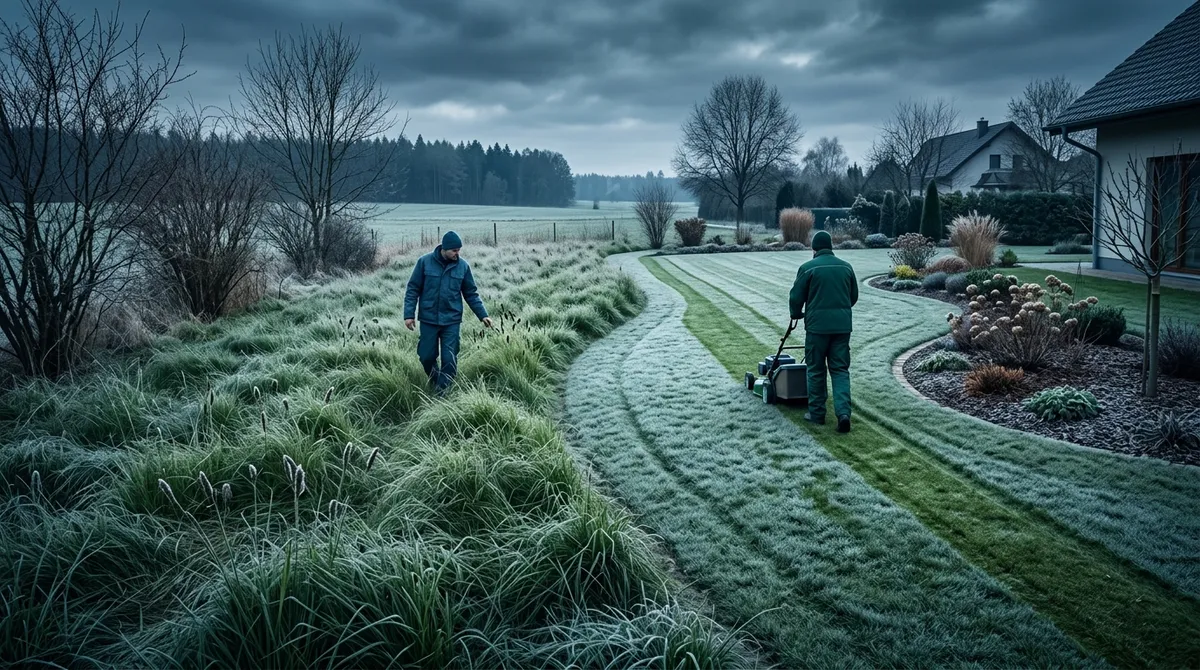
Before we answer the big question, let’s look at what actually happens when you leave grass long versus cutting it short heading into winter.
| Grass Length | Benefits | Risks |
|---|---|---|
| Too Long (over 4 inches) | Provides some insulation | Promotes mold, fungus, and matting |
| Too Short (under 1.5 inches) | Reduces hiding spots for pests | Exposes roots to cold and drought stress |
| Ideal Length (2.5 to 3.5 inches) | Protects roots, resists disease, stays healthy | Minimal risk when maintained properly |
As you can see, both extremes come with real problems. The sweet spot is a moderate grass height — not too tall, not too short. This gives your lawn the best chance to stay strong through the winter months and come back healthy in spring. For more on proper mowing heights, check out the best mowing height for St. Augustine grass.

The Ideal Grass Height for Winter in Bloomingdale, FL
For most warm-season grasses common in Bloomingdale — like St. Augustine, Bahia, and Zoysia — the ideal winter mowing height is between 2.5 and 3.5 inches. This range gives your lawn enough leaf blade to protect roots from mild cold snaps while keeping the grass short enough to avoid disease problems.
Here’s a simple step-by-step guide to preparing your grass height for winter:
- Check your current grass height. Use a ruler to measure how tall your grass is right now.
- Follow the one-third rule. Never cut more than one-third of the grass blade in a single mowing. Learn more about how to use the 1/3 rule for a healthier lawn.
- Time your last mow right. As temperatures cool down, slow down your mowing frequency but keep the blade at the right height.
- Avoid scalping the lawn. Cutting too low in late fall stresses the grass just as it’s trying to go dormant.
- Keep your mower blades sharp. A clean cut heals faster and reduces disease risk.
What Happens If You Leave Grass Too Long in Winter
Leaving your grass too long going into winter creates a warm, moist environment near the soil. That’s a perfect breeding ground for lawn fungus and disease. In Florida’s humid climate, this is a real concern. You might notice brown patches, matted grass, or slimy spots in early spring — all signs that disease took hold during the winter.
Long grass in winter can also:
- Attract pests and insects that nest in tall grass
- Block sunlight from reaching the soil
- Create thatch buildup that smothers new growth
- Make spring cleanup much harder and more expensive
- Lead to uneven regrowth when warmer weather returns
If you’ve ever noticed your lawn looking patchy and uneven in spring, overly long winter grass may be part of the reason. Consistent lawn maintenance through the fall and winter months goes a long way toward preventing these headaches.
What Happens If You Cut Grass Too Short in Winter
On the flip side, cutting your grass too short before winter causes a different set of problems. Short grass has less leaf surface area to absorb sunlight and photosynthesize. This weakens the plant heading into cooler months when it’s already slowing down. Even in mild Bloomingdale winters, cold snaps and frost can damage exposed root systems.
Cutting grass too short can lead to:
- Increased stress on the grass plant
- Thin, weak growth when spring arrives
- Bare or brown patches in colder spots of your yard
- Weed invasion in areas where grass is weak
Think of grass blades like a cozy blanket for your lawn’s roots. You don’t want to take that blanket away just when temperatures start to drop. For related insights, read about why regular mowing of grass is so important for your lawn.
How Often Should You Mow in Winter in Bloomingdale?
Great question! In Bloomingdale and surrounding areas, grass growth slows significantly in the cooler months. You won’t need to mow as often, but you shouldn’t stop completely. Here’s a general guide to winter mowing frequency:
- October through November: Mow every 2 to 3 weeks as growth slows.
- December through January: Mow once a month or when grass reaches the top of the ideal height range.
- February: Start increasing frequency again as temperatures begin to warm.
The goal is to keep the lawn tidy and at the right height without over-stressing it during its natural slow-down period. If this sounds like a lot to track, our professional lawn maintenance team is always here to help. You can also take a look at what year-round lawn care really means for your yard for a broader seasonal perspective.
Tips to Prepare Your Bloomingdale Lawn for Winter
Getting your lawn ready for winter doesn’t have to be complicated. Here are some easy, practical steps you can take right now:
- Mow to the ideal height (2.5 to 3.5 inches) before cooler temperatures settle in.
- Clear debris and leaves from the lawn regularly. Check out our leaf clean-up services if you need a hand.
- Check for signs of disease or pests before winter hides the damage.
- Reduce irrigation frequency as the lawn’s water needs decrease in cooler weather. Learn more about the best time to water grass for a lush green lawn.
- Consider mulching garden beds and borders. Learn more about our mulch installation services for added winter protection.
Following these steps sets your lawn up for a strong, healthy comeback in spring. Eco-conscious families will also appreciate that proper mowing height reduces the need for additional treatments and supports a more naturally resilient lawn. For more ideas, explore our lawn care tips library.
When to Call a Professional for Winter Lawn Care
Sometimes life gets busy — and that’s completely okay. Between work, family, and everything else on your plate, keeping up with seasonal lawn maintenance can slip through the cracks. That’s exactly where a professional lawn care service makes a real difference.
Here are some signs it’s time to call in the pros:
- Your lawn looks uneven or patchy heading into fall
- You’re not sure what height to cut your specific grass type
- Leaves and debris are piling up faster than you can manage
- You’ve noticed signs of fungus or lawn disease
- You simply don’t have the time or equipment to do it properly
All Trusted Lawn Care serves Bloomingdale, Valrico, East Brandon, Fishhawk, Boyette, Riverview, and surrounding communities. Our team knows the local grass types, seasonal patterns, and what it takes to keep Florida lawns looking great all year long. You can also browse our gallery to see the kind of results we deliver for homeowners just like you.
We’re proud to be a trusted local resource, and you can see what our neighbors are saying by visiting our All Trusted Lawn Care profile on Google. Also, feel free to follow us on Facebook for seasonal lawn tips and local updates.
For more information about the tools our professionals use, you can also explore resources about the history and mechanics of lawn mowers — it’s fascinating to see how far the technology has come!
A Quick Winter Lawn Height Reference Guide
| Grass Type | Ideal Winter Height | Winter Mowing Frequency |
|---|---|---|
| St. Augustine | 3 to 3.5 inches | Every 3 to 4 weeks |
| Bahia | 2.5 to 3 inches | Every 3 to 4 weeks |
| Zoysia | 2 to 2.5 inches | Every 4 weeks |
| Bermuda | 1.5 to 2 inches | Every 3 to 4 weeks |
Use this table as a quick reference when planning your fall and winter mowing schedule. If you’re unsure which type of grass you have, our team is happy to help identify it and recommend the right care plan. You can also check out our post on grass cutting height in the Brandon, Florida area for more detailed guidance.
The Bottom Line: Aim for That Middle Ground
So, is it better to leave grass long or short for winter? The answer is neither extreme — aim for a moderate, well-maintained height of 2.5 to 3.5 inches depending on your grass type. This protects your roots, prevents disease, and sets your lawn up for a beautiful spring recovery. Consistent mowing at the right height is one of the most important things you can do for your lawn’s long-term health, even during the slower winter months.
Remember, lawn care doesn’t stop when the temperatures drop. It just shifts gears. Whether you manage your yard yourself or prefer to hand it off to a trusted team, the key is consistency and the right technique. For more helpful reading, explore our article on what yard work you should do each season to stay ahead all year long.
Ready to get your Bloomingdale lawn prepped for winter the right way? Our friendly team at All Trusted Lawn Care is ready to help — reach out today for a free estimate, or simply give us a call at 813-833-1882 and let’s get your yard looking its best this season and beyond!
FAQs
Q: What is the best grass height to leave for winter in Florida?
A: For most warm-season grasses in Florida, like St. Augustine and Bahia, aim for a height of 2.5 to 3.5 inches heading into winter. This protects the roots from mild cold snaps while keeping the lawn healthy and disease-free. It’s that sweet middle ground that makes all the difference come spring!
Q: Should I stop mowing my lawn completely in winter?
A: Not quite! In Bloomingdale and surrounding areas, grass grows more slowly in winter, but it doesn’t stop completely. You can reduce mowing to once every 3 to 4 weeks and focus on keeping the grass at its ideal height. Staying consistent — even at a slower pace — helps your lawn stay strong all season.
Q: Can leaving grass too long in winter cause problems?
A: Yes, it absolutely can! Long grass in winter creates a moist environment near the soil that encourages fungus, disease, and pest activity. In Florida’s humid climate, this is especially important to watch out for. Keeping your grass at the right height prevents these issues and saves you a lot of headaches in spring.
Q: How does cutting grass too short in winter hurt my lawn?
A: Cutting grass too short removes the protective leaf blades that help insulate the root system from cooler temperatures. It also weakens the plant, making it more vulnerable to stress, weeds, and bare patches. Think of those grass blades as a little cozy blanket for your lawn — you want to keep enough of it in place during the cooler months!
Q: When should I hire a professional for winter lawn care?
A: If your lawn is looking patchy, you’re not sure what grass type you have, or life is just too busy to keep up with seasonal mowing — it’s a great time to call in a pro! A professional lawn care team can keep your yard at the ideal height all winter long, so you don’t have to worry about a thing.