Key Takeaways
-
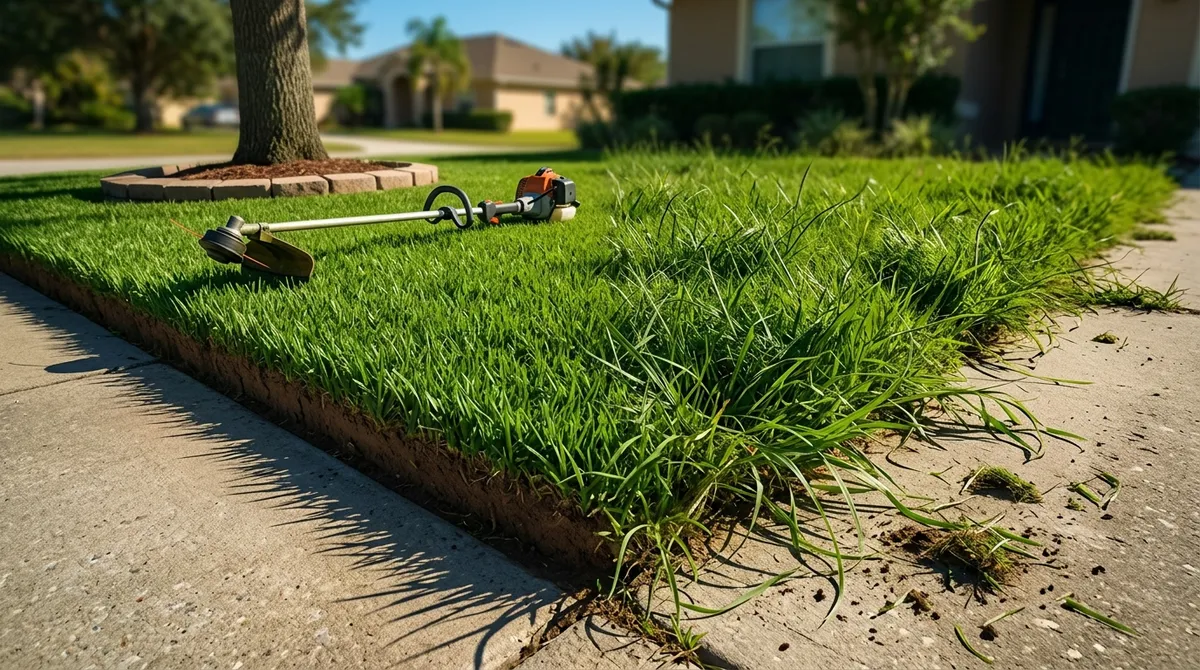
Edging creates sharp vertical lines along borders using a dedicated edger, while trimming cuts grass in hard-to-reach spots using a string trimmer with horizontal cuts—they are two distinct tasks with different purposes.
-
In Florida's warm climate, trimming should happen every mowing visit (weekly or bi-weekly) and edging every 2-4 weeks to prevent grass from creeping onto driveways and sidewalks and maintain crisp borders.
-
Never use a string trimmer tilted sideways to edge—this creates uneven, ragged lines that don't hold up over time; always use a proper lawn edger for clean, consistent vertical cuts.
-
Keep edging cuts between 1-2 inches deep and maintain a 2-4 inch buffer when trimming near trees to avoid damaging bark, irrigation lines, and creating an unnatural appearance.
-
Skipping edging and trimming after mowing leaves lawns looking unfinished; a complete maintenance visit includes mowing, edging, trimming, and blowing clippings off hard surfaces.
-
Always check and replace string trimmer line before use, trim so clippings toss toward open lawn away from garden beds, and sweep clippings off hard surfaces for a polished professional finish.
Have you ever looked at your neighbor’s lawn and wondered why it looks so crisp and polished? Chances are, they understand the difference between edging and trimming — two tools in every lawn care professional’s toolkit that are often confused. If you’re a homeowner in Bloomingdale, Florida, getting this right can make a huge difference in how your yard looks. Whether you’re juggling a busy work schedule, managing a growing family, or just moved into a new home, knowing the basics of lawn edging vs. trimming helps you ask the right questions and get the best results. In this article, we’ll clear up the confusion, walk through common mistakes, and help you get the clean, polished lawn you’ve always wanted. Let’s dig in — no pun intended!

What Is the Difference Between Edging and Trimming?
This is one of the most common questions homeowners ask lawn care professionals. The short answer? They are two different tasks that serve two different purposes. Understanding what is the difference between edging and trimming will help you communicate with your lawn care team and appreciate the work that goes into a great-looking yard.
What Is Lawn Edging?
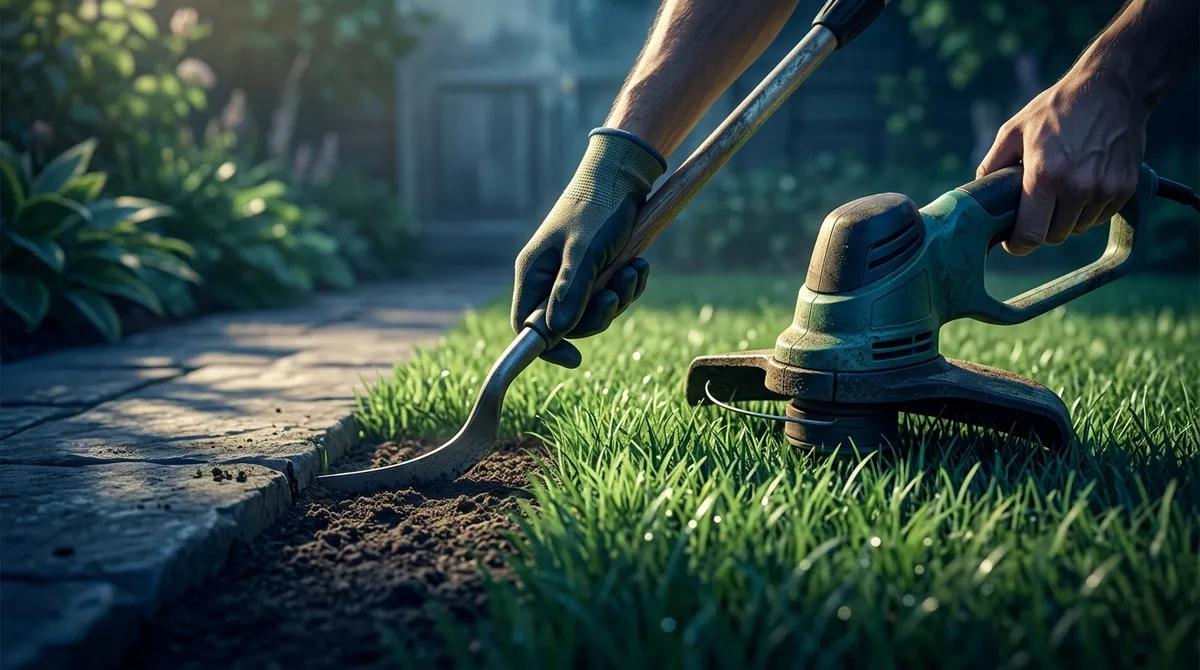
Edging is about creating sharp, clean lines along defined borders. Think of the edge where your lawn meets your driveway, sidewalk, or garden bed. Edging cuts a clean vertical line along those borders so your lawn looks neat and defined. A dedicated lawn edger — sometimes called a stick edger — is typically used for this job. You can also learn more about the tools involved, like a lawn mower, which often works hand-in-hand with edging equipment for a full lawn maintenance routine.
What Is Lawn Trimming?
Trimming, on the other hand, is about cutting grass in spots that a mower can’t easily reach. This includes around trees, fence posts, flower beds, and tight corners. A string trimmer (also called a weed eater or weed whacker) is used for this work. It spins a thin line of string at high speed to cut grass down to size. While edging creates defined borders, trimming cleans up awkward spots throughout your yard.
Why Both Tasks Matter for Your Lawn
Skipping either of these steps leaves your lawn looking unfinished, even if it was just mowed. A freshly cut lawn without clean edges looks a bit like a great haircut with messy sideburns. Both edging and trimming are key parts of a complete Lawn Maintenance routine. Together, they give your yard that polished, professional appearance that really stands out in a Bloomingdale neighborhood.
| Feature | Edging | Trimming |
|---|---|---|
| Main Purpose | Creates clean borders along hard surfaces | Cuts grass in tight or hard-to-reach spots |
| Tool Used | Lawn edger or stick edger | String trimmer / weed eater |
| Where It’s Applied | Sidewalks, driveways, garden bed borders | Around trees, fences, flower beds, corners |
| Cut Direction | Vertical (downward into the ground) | Horizontal (parallel to the ground) |
| Frequency Needed | Every 2–4 weeks | Every mow visit |
10 Common Edging and Trimming Mistakes to Avoid
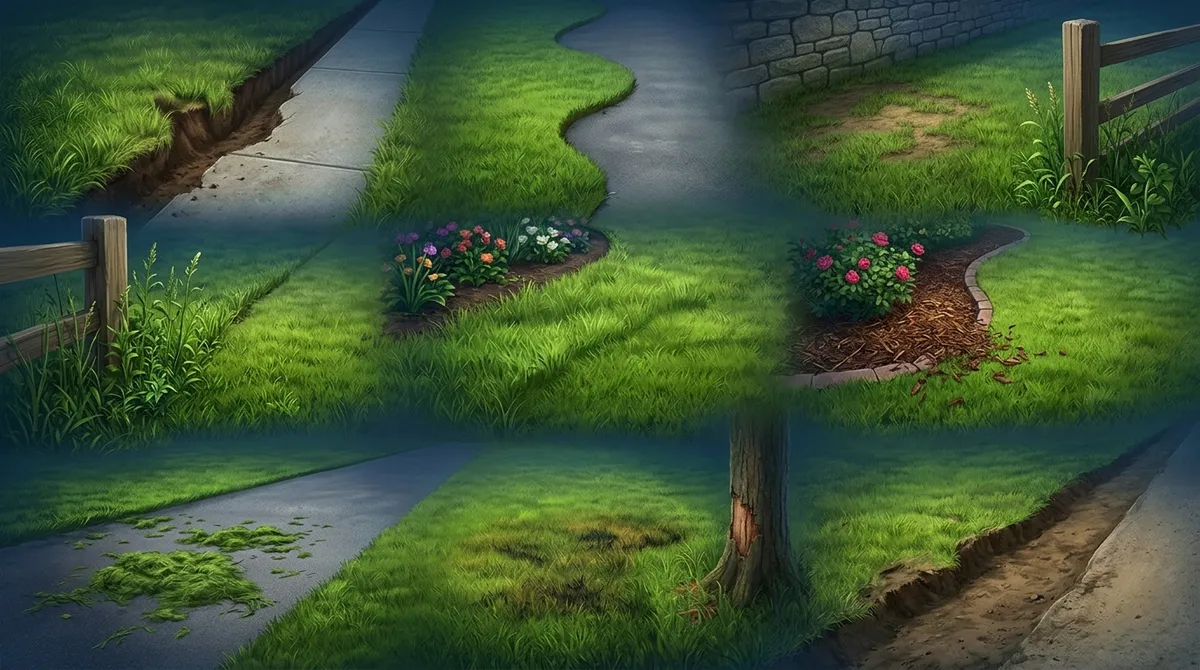
Now that you understand the difference, let’s talk about the mistakes that homeowners and even some lawn crews make. Avoiding these will keep your lawn looking its best all year long in Bloomingdale and surrounding areas.
Mistake 1: Using a Trimmer to Do Edging Work
This is the most common mix-up. Many people tilt their string trimmer sideways and try to use it as an edger along driveways and sidewalks. The result? An uneven, ragged-looking line that doesn’t hold up over time. A proper edger cuts a clean, consistent line. Using the wrong tool gives you sloppy results, plain and simple. Check out our post on 10 Reasons to Hire a Lawn Edging Service Near Me in 2026 for more on why professional tools make a difference.
Mistake 2: Edging Too Deep or Too Shallow
Cutting too deep into the soil creates an overly wide trench that looks unnatural and can damage underground irrigation lines. Cutting too shallow doesn’t actually define the border at all. A good rule of thumb is to cut no more than 1–2 inches deep along your borders. Consistency is key every single time.
Mistake 3: Skipping Edging Altogether
Some homeowners skip edging because they think mowing and trimming are enough. Without edging, grass slowly creeps over sidewalks and driveways. Over time, this makes the boundary look blurry and unkempt. Regular edging keeps that clean line sharp and your curb appeal high. Top lawn edging tips from Fishhawk FL homeowners show just how much of an impact consistent edging makes.
Mistake 4: Trimming Too Low Around Trees
This one can actually damage or kill your trees. When a string trimmer cuts too close to the base of a tree, it strips away the bark. This is called “trimmer scalping” and it weakens or kills the tree over time. Always leave a small buffer — about 2–4 inches — between the string and the base of the tree.
Mistake 5: Not Trimming After Mowing
Some people mow the lawn and forget to trim afterward. The mower can’t reach every spot. Long grass tufts around fence posts, trees, and corners make even a freshly mowed lawn look neglected. Trimming should always be part of your complete mowing visit. Learn more about what a full service looks like in our guide to Lawn Mowing and Trimming Near Me: What to Expect.
Mistake 6: Trimming in the Wrong Direction
Trimming works best when the string spins grass clippings away from garden beds and hard surfaces. Trimming the wrong direction throws debris into mulched areas or against your home’s siding. Always trim so clippings are tossed toward the open lawn. It saves you clean-up time and protects your garden beds.
Mistake 7: Edging Only Once a Season
In Florida’s warm climate, grass grows fast. Edging just once or twice a year won’t cut it in a place like Bloomingdale, where lawns stay active almost year-round. Most professionals recommend edging every two to four weeks depending on how fast your grass grows. Consistent edging prevents overgrowth from creeping onto hard surfaces. See how residential lawn mowing and edging in Brandon FL makes a measurable difference in curb appeal.
Mistake 8: Ignoring String Trimmer Line Maintenance
A trimmer with a worn-out or broken string won’t cut cleanly. It tears grass instead of slicing it, which leaves ragged, brown tips and an uneven look. Always check that your trimmer line is in good shape before each use. Replacing the line is inexpensive and makes a big difference in results. Professionals always show up with well-maintained equipment — it’s one of the things that make top lawn care companies stand out.
Mistake 9: Leaving Clippings on Hard Surfaces
After edging and trimming, grass clippings often land on sidewalks and driveways. Leaving them there looks messy and can stain concrete over time. Always blow or sweep clippings back onto the lawn after the job is done. A clean finish is part of what makes a professional lawn service look truly complete. You can follow our page on All Trusted Lawn Care on Facebook for tips and updates on keeping your yard looking great year-round.
Mistake 10: Doing It All Yourself Without the Right Equipment
DIY lawn care sounds great in theory. But without the right tools and experience, results can be inconsistent. A professional crew like All Trusted Lawn Care brings the right equipment, the right technique, and the right eye for detail to every visit. If you’re in Bloomingdale, Valrico, or East Brandon, getting professional help saves you time and keeps your lawn looking sharp all year. Explore the full list of lawn care services available to you.
Quick Reference: Edging and Trimming Tips
Here’s a handy summary to keep in mind for your next lawn care routine:
- Always use an edger — not a trimmer — along driveways and sidewalks
- Keep edging cuts between 1–2 inches deep for clean, safe borders
- Trim after every mow to catch spots the mower missed
- Leave a 2–4 inch buffer when trimming near trees and shrubs
- Check and replace string trimmer line before each use
- Always blow or sweep clippings off hard surfaces after finishing
How Often Should You Edge and Trim in Bloomingdale?
Florida’s warm weather means grass grows fast and rarely goes fully dormant. In Bloomingdale and surrounding communities, most homeowners need edging every two to four weeks throughout the year. Trimming should happen every time you mow — whether that’s weekly or bi-weekly. The importance of regular mowing applies just as much to trimming and edging as it does to the main cut.
Signs You Need More Frequent Edging
Not sure how often is enough? Watch for these signs that it’s time to edge again:
- Grass is creeping over the edge of your sidewalk or driveway
- The border between your lawn and garden bed looks fuzzy or undefined
- You can’t clearly see where the lawn ends and hard surfaces begin
- After mowing, the edges still look untidy and overgrown
- Neighbors’ lawns have crisper lines than yours — and it bothers you!
Should You Hire a Professional for Edging and Trimming?
Absolutely, especially if you’re short on time, don’t have the right equipment, or simply want consistent results. Hiring a pro takes the guesswork out of lawn care. Professionals know the right depth for edging, the right buffer for trimming near plants, and the right finish to leave your lawn looking crisp every single visit.
All Trusted Lawn Care proudly serves Bloomingdale, Valrico, Fishhawk, East Brandon, Boyette, and Riverview. Our team delivers quality edging and trimming as part of a complete lawn maintenance package. You can visit us on Google — All Trusted Lawn Care to read real reviews from homeowners just like you in the Bloomingdale area. We’d love to be your go-to lawn team!
What a Professional Lawn Maintenance Visit Includes
When you hire a reliable lawn care crew, here’s what a standard visit typically covers:
- Mowing the lawn at the correct height for your grass type
- Edging along driveways, sidewalks, and garden bed borders
- Trimming around trees, fences, and hard-to-reach areas
- Blowing clippings off hard surfaces for a clean finish
That four-step process is what separates a true lawn maintenance visit from a simple mow. If your current lawn crew isn’t doing all four steps, it might be time to find one that does. Check out our helpful guide on How To Choose The Best Lawn Care Service For Your Needs to make a smart decision.
Edging vs. Trimming: Tools Compared
| Tool | Best For | Pros | Cons |
|---|---|---|---|
| Stick Edger | Sidewalks, driveways, bed borders | Precise, clean vertical cuts | Only works on defined edges |
| String Trimmer | Around trees, fences, corners | Flexible, reaches tight spots | Can be imprecise if misused |
| Rotary Edger (manual) | Small yards, occasional use | No fuel or battery needed | Slow and tiring for large areas |
Lawn Edging and Trimming for Different Homeowner Situations
For Busy Homeowners
If you’re juggling work, kids, and everything in between, even knowing what is the difference between edging and trimming doesn’t mean you have time to do it yourself. A weekly or bi-weekly lawn service handles all of it for you. You come home to a sharp-looking lawn without lifting a finger. Read more about why hiring a residential lawn mowing service near you in 2026 makes so much sense for busy families.
For New Homeowners
If you just bought your home in Bloomingdale, you may not have any lawn equipment yet. Rather than spending hundreds of dollars on tools, consider starting with a professional service. You’ll get great results from day one while you learn what your lawn actually needs. Explore our guide on what sod installation is and why your lawn might need it if your new yard needs a fresh start.
For Elderly Homeowners
Edging and trimming involve bending, maneuvering equipment, and working in Florida’s heat. For seniors, this can be physically demanding and even risky. A trusted lawn care service handles all of this safely and reliably. It’s a smart way to keep your yard beautiful without putting your health at risk. Call us at 813-833-1882 to learn about flexible lawn care options in your area.
For Eco-Conscious Families
If you have kids and pets playing in your yard, you want safe, clean outdoor spaces. Professional edging and trimming keeps grass under control without the need for harsh chemicals. Neat lawn borders also reduce hiding spots for pests. It’s a simple, effective way to keep your yard healthy and family-friendly. Learn how lawn care solutions can work for your family’s specific needs.
A Final Word on Edging and Trimming
Understanding what is the difference between edging and trimming is the first step toward a truly polished lawn. Edging defines your borders. Trimming cleans up the spots a mower can’t reach. Together, they create that crisp, well-maintained look that makes your home stand out on the block. Avoiding the 10 mistakes we covered will save you time, protect your lawn, and keep your yard looking great season after season. For more great tips, check out our guide on How to Keep Your Lawn Looking Great All Year Long.
Ready to stop worrying about edging, trimming, and everything in between? Let the professionals handle it! Contact All Trusted Lawn Care today for a free estimate and see why homeowners across Bloomingdale, Valrico, Fishhawk, and East Brandon trust us with their lawns. We’d love to help your yard look its absolute best — every single week.
FAQs
Q: What is the difference between edging and trimming in lawn care?
A: Edging creates sharp, clean vertical lines along borders like driveways, sidewalks, and garden beds using a dedicated lawn edger. Trimming uses a string trimmer to cut grass in tight spots a mower can’t reach, like around trees, fences, and corners — it’s a horizontal cut rather than a vertical one!
Q: Can I use a string trimmer instead of an edger?
A: You can tilt a string trimmer to mimic edging, but the results are usually uneven and won’t hold up as well as using a proper edger. For those crisp, clean lawn borders that really make your yard pop, a dedicated edger is the way to go every single time.
Q: How often should edging and trimming be done in Bloomingdale, FL?
A: In Bloomingdale’s warm Florida climate, trimming should happen every time you mow — typically weekly or bi-weekly. Edging along driveways and sidewalks is best done every two to four weeks to keep those clean borders looking sharp and prevent grass from creeping onto hard surfaces.
Q: Is edging and trimming included in a standard lawn service?
A: A quality lawn maintenance visit should always include mowing, edging, trimming, and blowing — that’s the complete four-step process! Always ask your lawn care provider upfront if edging and trimming are part of their service to make sure you’re getting the full package your yard deserves.
Q: Why does my lawn still look messy after mowing if I skip edging and trimming?
A: Mowing cuts the main body of the lawn, but it can’t reach borders, tight corners, or areas around obstacles. Without edging and trimming, the overall look stays unfinished — kind of like a great outfit with wrinkled edges! Both steps are essential for that clean, polished lawn appearance.