Key Takeaways
-
Edge your sidewalk every 1-2 weeks during peak growing season in Florida climates to prevent grass from creeping onto concrete and causing structural damage over time.
-
Install a physical barrier like metal, rubber, or plastic lawn edging between grass and sidewalk to block underground runners and stolons, especially when combined with regular edging.
-
Use a gas-powered or electric lawn edger for the cleanest cuts, holding string trimmers vertically along the edge, and create a 3-4 inch mulch buffer zone for additional grass suppression.
-
Avoid common mistakes like skipping multiple edging sessions, only mowing without trimming borders, watering too close to sidewalk edges, and ignoring cracks where grass can root into concrete.
-
Hire a professional lawn maintenance service if DIY edging feels overwhelming, as regular visits ensure consistent sharp edges year-round without requiring multiple tools or weekend time.
-
Address overgrown edges immediately once you notice grass matted several inches over the sidewalk, as delayed action allows deeper rooting into concrete cracks and makes recovery harder.
If you’ve ever looked down at your sidewalk and noticed a creeping green border swallowing the edge, you’re not alone. Grass growing over the sidewalk is one of the most common lawn care frustrations homeowners face — especially here in Bloomingdale, Florida, where warm weather keeps grass actively growing nearly year-round. That lush, green lawn you’re proud of can quickly turn into a sidewalk-swallowing problem if you don’t stay on top of it. The good news? Keeping grass in its place isn’t complicated. With the right tools, the right habits, and a little know-how, you can have clean, sharp edges that make your whole yard look polished and well-maintained. Whether you’re a busy parent, a new homeowner, or someone who just wants a tidier yard without the hassle, this guide is for you. Let’s walk through everything you need to know about keeping grass from creeping where it doesn’t belong.

Why Does Grass Grow Over the Sidewalk?
Grass is a survivor. It spreads through underground runners called stolons and rhizomes. These horizontal stems push outward in every direction, including toward your sidewalk. In Florida’s warm climate, this growth happens fast. Grasses like St. Augustine and Bermuda — both very common in Bloomingdale — are especially aggressive spreaders.
When grass reaches the edge of a sidewalk, it doesn’t stop. It creeps over the concrete, roots into the cracks, and eventually builds up a thick, shaggy border. If left unchecked, it can even lift sections of concrete over time. A neat edge isn’t just about looks — it also protects your hardscape. You can learn more about what healthy lawn maintenance looks like and how consistent care prevents these issues from getting out of hand.
5 Effective Ways to Keep Grass From Growing Over the Sidewalk
Let’s get into the practical solutions. Here are the most effective methods, from simple hand tools to professional services.
1. Regular Lawn Edging
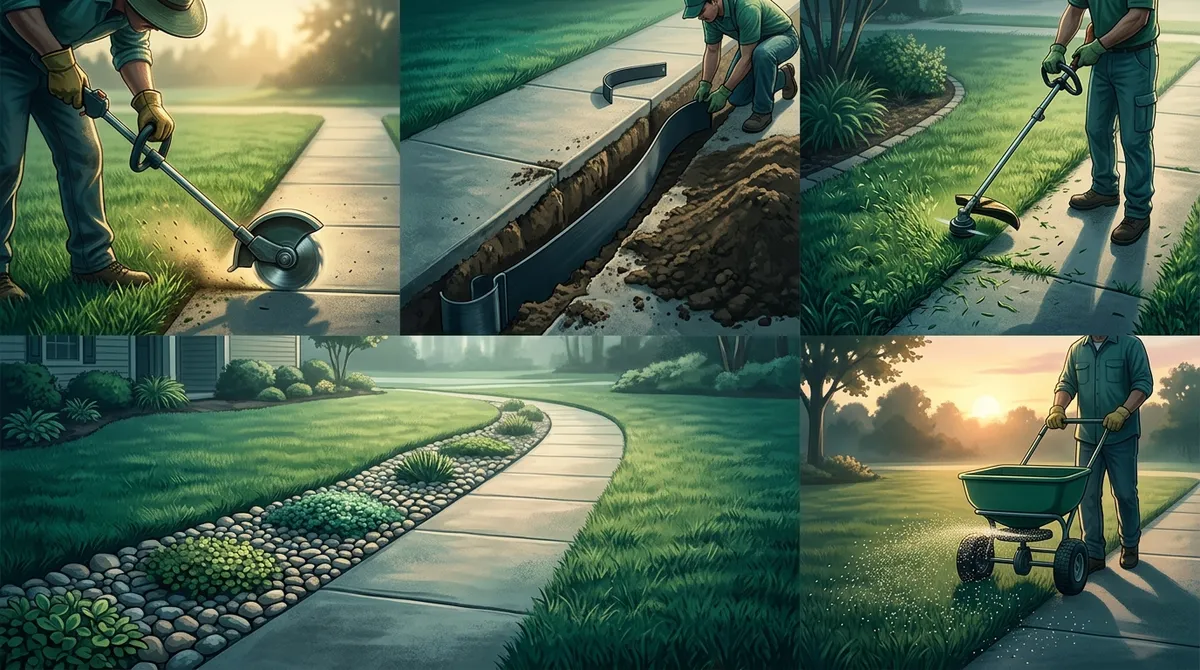
Edging is the number one tool for keeping grass in its place. A lawn edger cuts a clean vertical line between your grass and the sidewalk. This keeps the grass from spreading over the concrete edge. You can use a manual rotary edger, a gas-powered edger, or a string trimmer held at a vertical angle.
The key is consistency. In Bloomingdale’s climate, you’ll want to edge at least every two weeks during the growing season — which is practically all year. Regular edging also prevents thatch buildup at the border. If you’re unsure how often to edge, check out this helpful resource on 10 reasons to hire a lawn edging service near me in 2026.
2. Trimming and Weed Eating the Borders
A lawn mower handles the bulk of your yard, but it can’t get right up to the sidewalk edge. That’s where a string trimmer (also called a weed eater) comes in. Trimming along the sidewalk removes the overhang and keeps things tidy between edging sessions.
When trimming, hold the trimmer so the cutting line works vertically along the sidewalk edge. This gives you a clean, sharp border rather than a ragged mess. For tips on getting the most from trimming, visit this article on lawn mowing and trimming near me: what to expect.
3. Installing a Physical Border or Edge Restraint
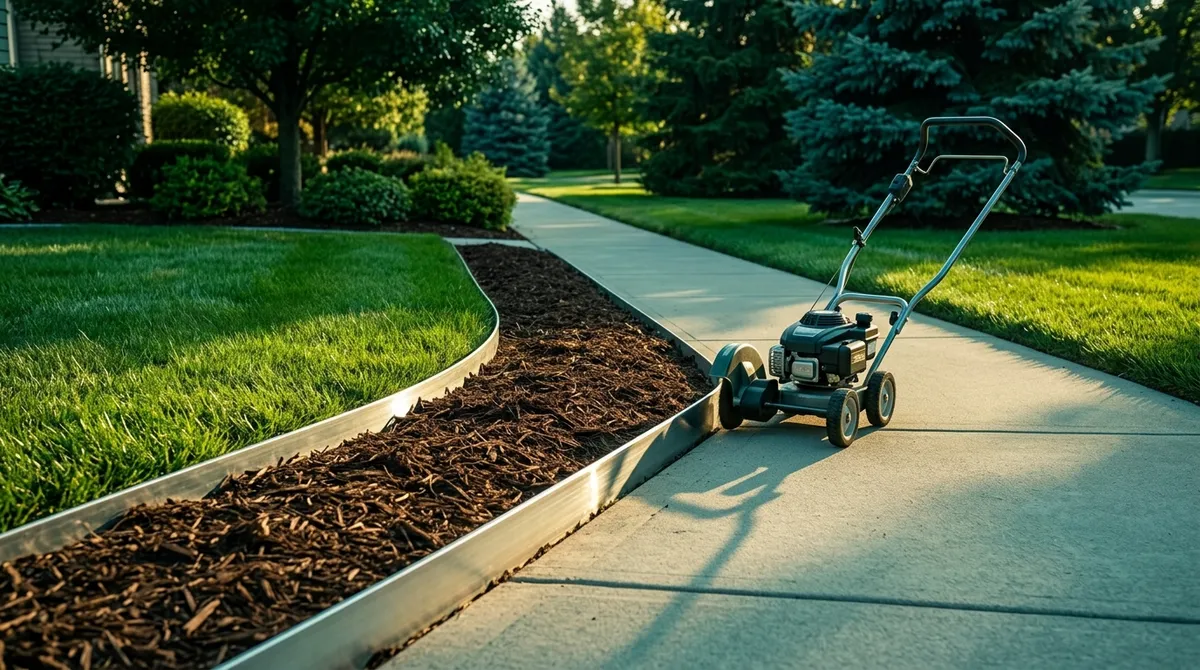
Physical borders are a longer-term solution. You install a plastic, rubber, or metal lawn edging strip between the grass and the sidewalk. This underground barrier blocks the roots and runners from spreading onto the concrete.
Here’s a quick comparison of common border materials:
| Border Type | Durability | Cost | Best For |
|---|---|---|---|
| Plastic Edging | Moderate (3–5 years) | Low | Budget-friendly option |
| Rubber Edging | Good (5–7 years) | Low–Medium | Curved or irregular paths |
| Metal Edging (Steel/Aluminum) | Excellent (10+ years) | Medium–High | Clean, modern look |
| Concrete Mow Strip | Very High (permanent) | High | Permanent, zero maintenance |
Physical borders work best when combined with regular edging. They slow the grass down but won’t stop it forever without some maintenance. A landscape installation professional can help you choose and install the right border for your yard.
4. Applying a Mulch or Gravel Buffer Zone
Another popular approach is creating a buffer zone between the grass and the sidewalk using mulch or gravel. This creates a gap that grass has a harder time crossing. It also improves drainage and adds a polished visual look to your yard’s perimeter.
A strip of mulch installation along the sidewalk edge does double duty. It suppresses grass creep and gives your yard a landscaped appearance. Even a 3–4 inch wide strip of mulch can make a noticeable difference in slowing grass migration.
5. Hiring a Professional Lawn Maintenance Service
Let’s be honest — keeping up with edging, trimming, and border maintenance every two weeks is a lot of work. For busy homeowners, seniors, or anyone who’d rather spend weekends doing anything other than yard work, hiring a professional lawn care team is often the smartest move.
A professional service ensures your sidewalk edges are clean and sharp every single visit. You don’t have to think about it. If you’re searching for Valrico lawn care or service in the Bloomingdale area, look for a team that includes edging as part of their regular maintenance routine — not as an add-on.

How Often Should You Edge Along the Sidewalk?
In Bloomingdale and surrounding areas, grass grows aggressively from spring through fall — and even through the mild winters. Here’s a simple seasonal edging guide:
- Spring (March–May): Edge every 1–2 weeks. Growth is accelerating quickly.
- Summer (June–August): Edge every 1–2 weeks. Peak growth season — stay on top of it.
- Fall (September–November): Edge every 2–3 weeks. Growth begins to slow slightly.
- Winter (December–February): Edge once a month or as needed. Growth slows but doesn’t stop in Florida’s mild climate.
Sticking to this schedule prevents that ragged, overgrown look from ever becoming a major problem. For more guidance, check out this article on how often should I mow — a simple guide for Bloomingdale yards.
Step-by-Step Guide to Edging Your Sidewalk at Home
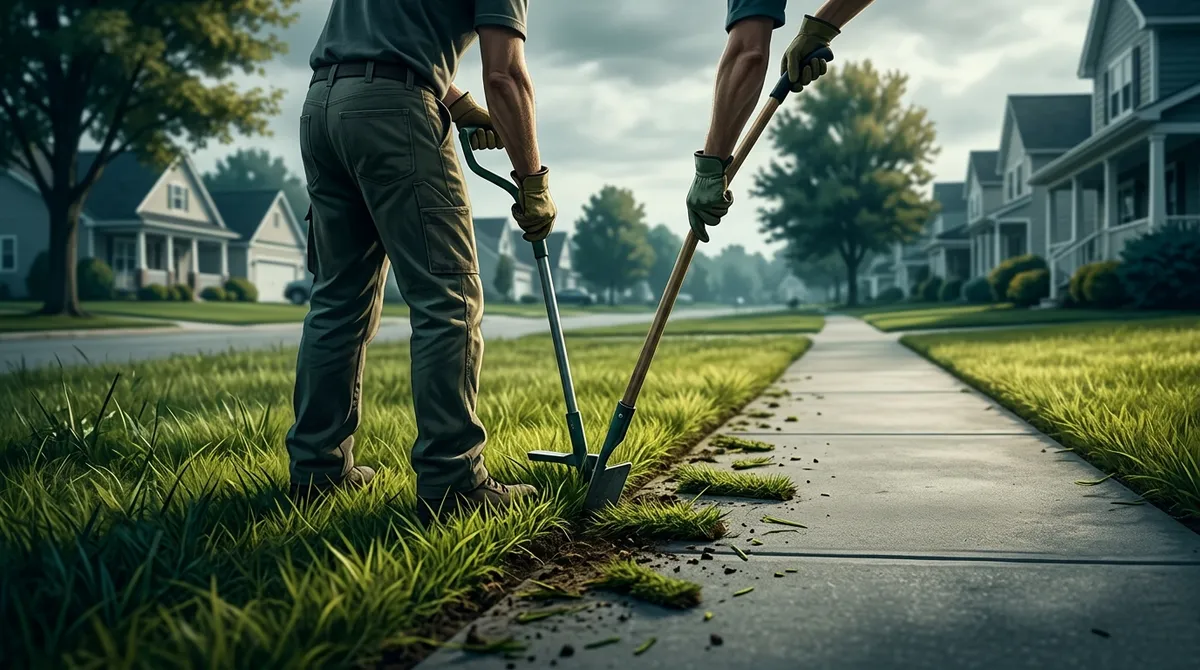
If you prefer the DIY approach, here’s how to edge along your sidewalk properly:
- Choose your tool: A gas edger gives the cleanest cut. A string trimmer works well too when held vertically.
- Mark the edge line: Use the existing concrete edge as your guide. Keep the blade flush with the sidewalk edge.
- Cut slowly and steadily: Move in one direction, keeping a consistent depth of about 1–2 inches into the soil.
- Clean up the debris: Use a blower or broom to clear cut grass from the sidewalk surface.
- Remove clippings from the cut line: Pull out any loose sod chunks from the trench to keep the edge clean.
Following these steps each time gives you that sharp, professional-looking edge that makes the whole yard pop. For more tips like these, visit our lawn care tips page.
Tools You’ll Need for Sidewalk Edge Maintenance
Having the right tools makes the job much easier. Here’s what every homeowner should have on hand:
- Rotary lawn edger — Manual and budget-friendly for small areas
- Gas or electric edger — Faster and more consistent for longer sidewalk runs
- String trimmer (weed eater) — Great for touch-up work between edging sessions
- Flat spade or half-moon edger — Good for resetting overgrown edges once a year
- Leaf blower or broom — For cleaning grass clippings off the sidewalk after edging
- Work gloves and safety glasses — Always protect yourself when operating power tools
If buying and maintaining all these tools sounds like more trouble than it’s worth, a professional lawn care service brings all the equipment needed — at no extra cost to you.
Common Mistakes That Let Grass Take Over the Sidewalk
Even well-meaning homeowners make mistakes that let grass creep back. Here are the most common ones to avoid:
- Skipping edging too many times in a row — Missing a few sessions allows runners to root deeply into the concrete joint
- Only mowing and not trimming the edges — Mowing alone won’t remove sidewalk overhang
- Not digging out the trench periodically — Over time, soil builds up and needs to be re-cut deeper
- Watering too close to the sidewalk edge — Excess moisture encourages runners to push outward
- Ignoring crack growth — Grass rooting into sidewalk cracks needs to be addressed before it causes structural damage
If you’ve let the edges go for a while and things are looking rough, a property clean-up service can help reset things quickly. After that, keeping up with regular edging is much easier. You can also read about 13 common lawn care problems and how to fix them to handle other yard issues alongside your sidewalk edging.
When to Call a Professional for Sidewalk Edge Control
Sometimes DIY just isn’t enough — or it’s simply not worth your time. Here are clear signs it’s time to call in the pros:
- Grass has grown several inches over the sidewalk and looks matted or thick
- Grass is rooting into sidewalk cracks and causing the concrete to shift
- You’ve missed edging for more than a month during peak growing season
- You don’t have the right tools or physical ability to edge safely
- You simply want it done right without spending your weekend on it
That’s where a trusted local team comes in. All Trusted Lawn Care proudly serves Bloomingdale, Valrico, East Brandon, Fishhawk, Boyette, and Riverview. Our team includes edging and trimming as part of our regular lawn maintenance visits, so your sidewalk edges stay sharp without you lifting a finger. We offer free estimates and show up consistently — no excuses, no missed visits. Visit us on Google — All Trusted Lawn Care to see what our neighbors are saying about our work.
What Does Professional Edging Cost?
Edging is typically included in a full lawn maintenance visit rather than priced separately. A standard lawn mowing and edging visit in the Bloomingdale area generally ranges between $40 and $100 per cut, depending on yard size. If you opt for a monthly lawn service plan with weekly visits, you’re typically looking at around $180–$220 per month — a fantastic value when you consider that consistent edging, mowing, and trimming are all included.
That kind of regular care keeps your sidewalk borders clean week after week. Curious about what a service plan looks like? Check out how much does lawn service cost in Valrico for a detailed breakdown. You can also follow us on Facebook for tips, updates, and before-and-after photos of yards we’ve transformed across the area.
Tips for New Homeowners in Bloomingdale
If you’re new to the area, welcome to the neighborhood! Florida lawns behave differently than lawns in other parts of the country. The warm, humid climate means grass never really sleeps. Here are a few quick tips to start on the right foot:
- Edge right away when you move in — Don’t wait for the grass to establish itself over the sidewalk.
- Identify your grass type — St. Augustine and Bermuda spread differently and may need slightly different edging approaches.
- Set a maintenance schedule — Block time on your calendar every two weeks for edging, or book a recurring service.
- Consider professional help from the start — Starting with a pro ensures the lawn is properly set up before you maintain it yourself.
For new homeowners who want a fresh start, sod installation is also an option that gives you a clean, professionally established lawn from day one — edges and all. This is a great way to start with a yard that looks great and is easier to maintain right from the beginning. You can learn more about what sod installation is and why your lawn needs it.
Keep Your Sidewalk Edges Looking Great All Year
Keeping grass from growing over your sidewalk comes down to one simple principle: regular, consistent maintenance. Edge often, trim the borders, and address any overgrowth before it becomes a bigger problem. Whether you tackle it yourself or hand it off to a professional, the result is a yard that looks neat, well-kept, and welcoming every single day.
There’s something incredibly satisfying about a crisp lawn edge. It frames your property, boosts curb appeal, and tells your neighbors you take pride in your home. And in Bloomingdale’s year-round growing climate, that satisfaction is totally achievable — you just have to stay consistent. For broader lawn care inspiration, check out how to keep your lawn looking great all year long. And if you need a reliable partner to help, our team at Bloomingdale Lawn Care is ready to help you get those edges sharp and keep them that way.
Ready to stop fighting with your sidewalk edges and let the pros handle it? Reach out to our team today for a free estimate — we’d love to show you what a difference consistent, professional lawn care can make for your Bloomingdale home. You can also give us a call at 813-833-1882 and we’ll get you set up with a plan that fits your yard and your schedule.
FAQs
Q: How often should I edge along my sidewalk to keep grass from growing over it?
A: In a warm climate like Bloomingdale, FL, you should edge every 1–2 weeks during spring and summer when grass grows fastest. In fall and winter, you can slow down to every 2–4 weeks. Staying consistent is the real key — the more regularly you edge, the less work it is each time!
Q: What is the best tool to keep grass from growing over the sidewalk?
A: A gas-powered or electric lawn edger gives you the cleanest, most consistent cut right along the sidewalk edge. A string trimmer held vertically works great too for touch-up work between edging sessions. For the sharpest results with the least effort, a professional lawn maintenance team brings all the right tools every visit.
Q: Will a physical lawn border permanently stop grass from growing over the sidewalk?
A: A physical border — like metal or rubber lawn edging — does a great job of slowing grass down and blocking underground runners. However, it won’t eliminate the need for trimming entirely. Think of it as a helpful barrier that reduces how often grass creeps over, especially when combined with regular edging.
Q: Can grass growing over the sidewalk cause damage to the concrete?
A: Yes! Grass roots and runners that grow into sidewalk cracks can widen those cracks over time, and thick turf buildup along the edge can trap moisture against the concrete. Keeping your edges clean with regular edging helps protect both your lawn and your sidewalk for the long run.
Q: Is it worth hiring a professional to keep grass away from the sidewalk?
A: Absolutely — especially in Florida’s year-round growing season! A professional lawn care team includes edging as part of every visit, keeping your sidewalk borders sharp without you having to lift a finger. It saves time, looks better, and prevents small problems from turning into bigger, more expensive ones down the road.