Key Takeaways
-
Never cut more than one-third of the grass blade at once using the 'one-third rule' – for St. Augustine grass keep it at 3.5-4 inches and for Bahia at 3-4 inches to prevent scalping and brown patches.
-
Cutting grass too short (scalping) removes too much blade, exposes soil to intense Florida heat, and stresses roots – this causes brown patches within 1-2 days in Riverview's hot, humid climate.
-
Mow during early morning or late afternoon, not peak heat; use sharp blades; and avoid cutting wet grass to prevent uneven cuts and reduce heat stress on freshly mowed turf.
-
Recovery from over-mowing typically takes 2-4 weeks if you immediately raise mower height, water deeply 1-1.5 inches weekly, and maintain consistent mowing schedules to avoid shocking the turf.
-
Establish a consistent weekly or biweekly mowing schedule to stay within safe cutting zones – skipping weeks and then cutting tall grass drastically in one session causes immediate scalping damage.
-
Other contributing factors include dull mower blades that tear grass instead of cutting cleanly, mowing wet grass that causes uneven cutting, and soil compaction from repetitive mowing patterns.
You mow your lawn, step back, and instead of a lush green yard, you notice tan or brown spots spreading across the grass. Sound familiar? If you live in Riverview, you’re definitely not alone. Many homeowners here deal with this exact problem — and a lot of the time, the culprit is mowing too short. Yes, cutting your grass too short can absolutely cause brown patches in Riverview, and it happens more often than you’d think. In this article, we’ll walk you through why it happens, how to spot it, and what you can do to fix it and prevent it from coming back. Whether you’re a busy parent, a new homeowner, or someone who just wants a beautiful yard without the guesswork, this guide is for you. Let’s get into it!
What Happens When You Cut Grass Too Short?
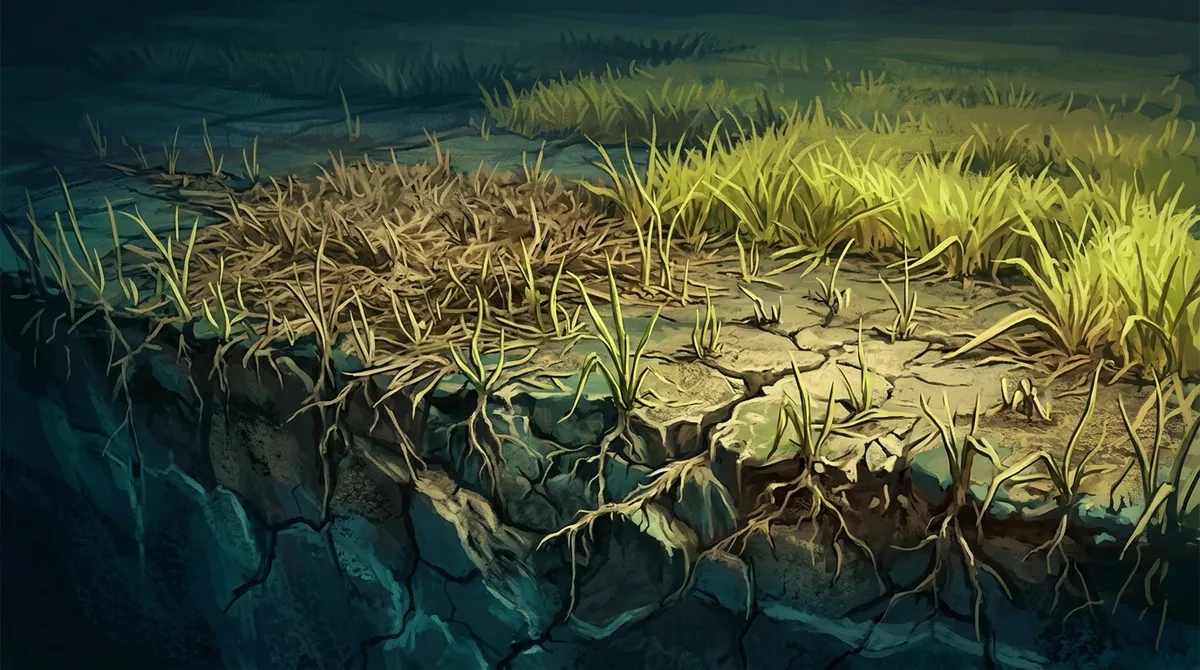
Cutting your grass too short is called “scalping.” When you scalp your lawn, you remove too much of the grass blade at once. This causes a few serious problems for your turf. The grass loses its ability to absorb sunlight properly, and the soil beneath gets exposed to harsh heat.
In Riverview’s hot and humid climate, that exposed soil can dry out fast. The grass roots also get stressed, which weakens the plant and makes it harder to recover. Over time, this leads to those frustrating brown patches you see after mowing. You can learn more about what happens if you mow your lawn too short in Florida and why it’s such a common issue in our area.

Why Riverview Lawns Are Especially Vulnerable
Riverview’s warm, sunny weather is great for outdoor living — but it can be tough on grass. Most lawns here are planted with St. Augustine or Bahia grass, both of which need to be kept at a specific height to stay healthy. These grass types rely on their leaf blades to protect the soil from the intense Florida sun.
When you mow too low, the turf can’t protect itself. Heat stress kicks in quickly during Riverview’s summer months. This is also why understanding the best mowing height for Riverview lawns is so important for keeping your grass green and healthy all year long.
The One-Third Rule: Your Best Friend in Lawn Care
There’s a golden rule in lawn care that every homeowner should know: never cut more than one-third of the grass blade at a time. This is called the one-third rule, and it’s one of the most effective ways to prevent brown patches caused by over-mowing.
Here’s how it works in practice:
- Let your grass grow to the right height first. For St. Augustine grass, that’s typically 3.5 to 4 inches. For Bahia, it’s about 3 to 4 inches.
- Set your mower blade to remove only the top third. So if your grass is 4 inches tall, you’d cut it down to about 2.5 to 3 inches.
- Mow regularly so you never fall too far behind. Consistent mowing keeps your grass in the healthy zone without shocking it.
Following this rule makes a huge difference. You can read more about how to use the 1/3 rule for a healthier, greener lawn if you want a deeper dive into this approach.
Signs You’ve Cut Your Grass Too Short
Not sure if your mowing habits are the cause of your brown patches? Here are the most common signs that you’ve cut too short:
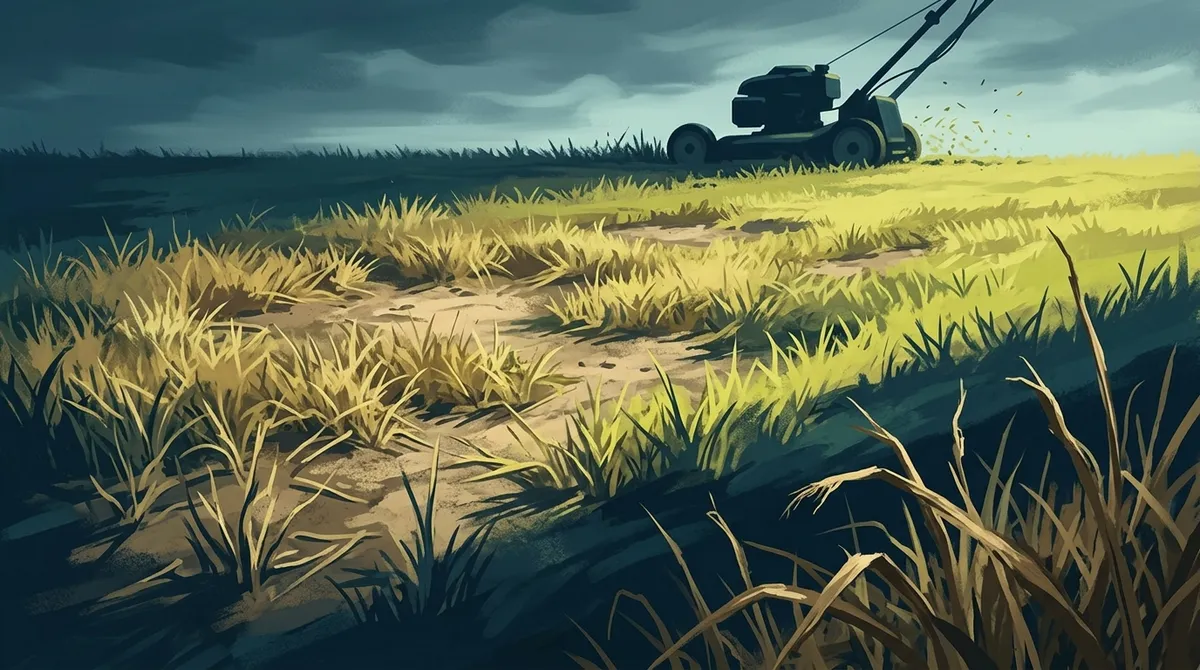
- Brown or tan patches appearing 1–2 days after mowing
- The soil is visible between grass blades after cutting
- Your lawn feels spongy or crunchy underfoot
- Grass looks dull and straw-like instead of green and lush
- Weeds start popping up more frequently in affected areas
- Patches spread wider with each mowing session
If you notice two or more of these signs, it’s time to adjust your mowing height and give your lawn a chance to recover. Check out our guide on what the signs of dead grass look like to make sure you know what you’re dealing with.
Recommended Mowing Heights for Common Riverview Grass Types
One of the easiest fixes is simply setting your mower to the right height. Here’s a quick reference guide for the most common grass types found in Riverview yards:
| Grass Type | Ideal Mowing Height | Minimum Safe Height | Mowing Frequency |
|---|---|---|---|
| St. Augustine | 3.5 – 4 inches | 2.5 inches | Weekly in growing season |
| Bahia | 3 – 4 inches | 2.5 inches | Every 1–2 weeks |
| Bermuda | 1 – 2 inches | 0.5 inches | Weekly in summer |
| Zoysia | 1.5 – 2.5 inches | 1 inch | Every 1–2 weeks |
Keeping your mower blade set properly is one of the simplest things you can do. For more specific guidance, read about the best mowing height for St. Augustine grass to get a lush, healthy lawn year-round.
Other Factors That Make Brown Patches Worse
Mowing too short is often the main cause of brown patches, but a few other things can make the problem worse. Being aware of these will help you build better lawn habits overall.
Dull Mower Blades
A dull lawn mower blade doesn’t cut grass cleanly — it tears and shreds the blades instead. This damages the grass and makes it more vulnerable to heat and drought stress. If your grass looks ragged after mowing, your blade probably needs sharpening.
Mowing Wet Grass
Cutting wet grass can cause uneven mowing and clumping. The mower tends to push grass over instead of cutting it cleanly, which leads to patches being cut much shorter than intended. Always try to mow when the grass is dry.
Mowing During Peak Heat
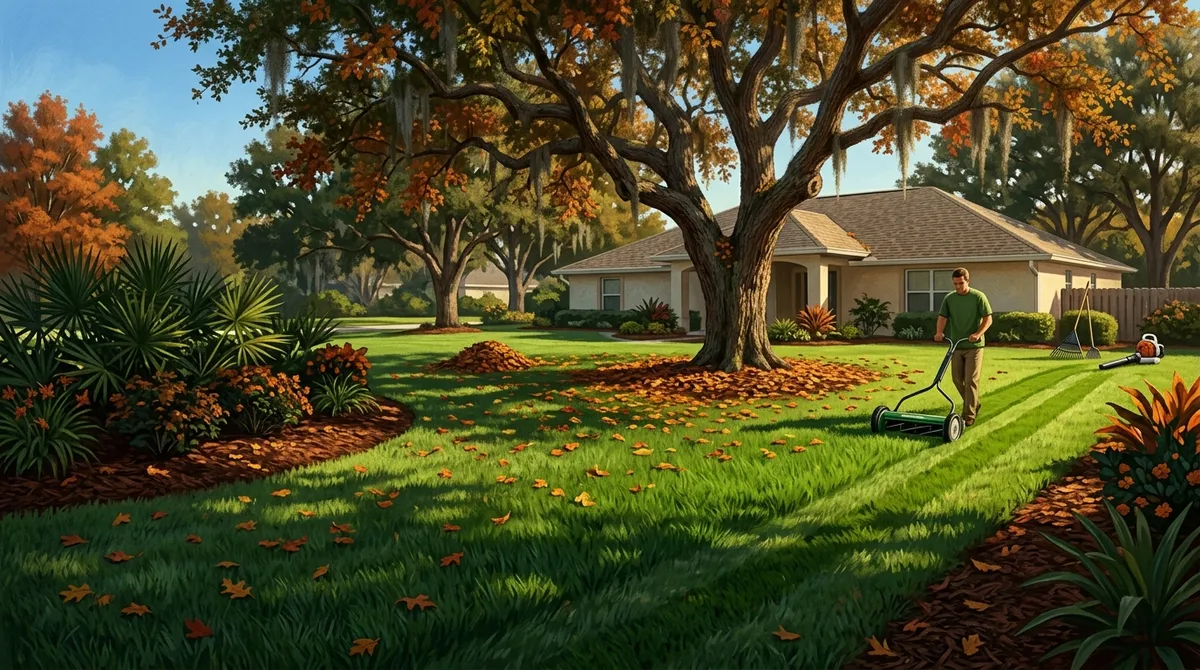
Mowing in the middle of a hot Riverview afternoon adds stress on top of stress. The heat makes it harder for the grass to recover after being cut. Early morning or late afternoon mowing is much better for your turf. Learn more about when you should not mow your yard to protect your lawn.
Skipping Mowing Sessions
If you skip a few weeks and then try to cut your very tall grass down to a short height in one pass, you’re essentially scalping your lawn. This sudden removal of too much grass blade shocks the turf and causes immediate browning. The fix? Mow more consistently. Read more about how often you should mow your lawn in Riverview.
How to Fix Brown Patches From Over-Mowing
The good news is that most brown patches caused by cutting too short will recover with the right care. Here’s a simple step-by-step plan to help your lawn bounce back:
- Stop mowing at the short height immediately. Give your lawn a break and let it recover before the next cut.
- Raise your mower deck. Adjust your blade to the correct height for your grass type before the next mow.
- Water your lawn deeply. Give your grass 1 to 1.5 inches of water per week to help it recover. Morning watering works best. Check out the best time to water grass for more tips.
- Be patient. Depending on how stressed the grass is, it may take 2–4 weeks to fully green up again.
- Consider sod for severely damaged areas. If patches are very large or the grass has died completely, sod installation may be the fastest path to a beautiful lawn again.
Other Common Causes of Brown Patches (Not Just Mowing)
While mowing too short is a major cause of brown patches, it’s worth knowing that other issues can look similar. Here’s a quick breakdown to help you rule things out:
- Underwatering: Dry, crispy patches that appear during hot weather may be caused by lack of irrigation.
- Lawn fungus: Circular brown patches with a darker ring around the edge can indicate fungal disease. Read about lawn fungus problems for expert tips.
- Pet damage: Dog urine can burn grass and create small round brown spots.
- Compacted soil: Poor drainage and hard soil prevent roots from growing properly.
- Shade stress: Areas under trees may struggle to grow thick grass.
If your brown patches don’t match the signs of mowing damage, it’s a good idea to have a lawn professional take a look. You can also explore 13 common lawn care problems and how to fix them for a broader overview.
How Professional Lawn Care Prevents Brown Patches
One of the easiest ways to avoid brown patches from over-mowing is to let a professional handle it. A trained lawn care crew knows exactly how high to cut your specific grass type. They use sharp, properly calibrated equipment and mow at the right time of day for the best results.
At All Trusted Lawn Care, we serve Riverview and surrounding communities with dependable, detail-oriented lawn maintenance that keeps your grass at the perfect height every single time. We know Florida lawns — and we know how to keep them looking their best through every season. You can also visit us on Google — All Trusted Lawn Care to see what our Riverview customers have to say about the results we deliver.
If you’d like to see our work before committing, take a look at our gallery to get a feel for the quality we bring to every yard. You can also follow us on Facebook for helpful lawn tips and updates from our team.
Simple Mowing Tips to Keep Your Riverview Lawn Green
Prevention is always easier than repair. Here are some easy habits to build that will keep brown patches from forming in the first place:
- Always follow the one-third rule — never cut more than one-third of the blade at once
- Sharpen your mower blades at least twice a season
- Mow in the early morning or late afternoon to avoid heat stress
- Change your mowing pattern each time to avoid compacting the same soil lines
- Keep your mower deck clean to prevent disease spread
- Mow consistently on a schedule to avoid drastic height reductions
These small habits add up to a big difference. Check out 7 lawn mowing mistakes that cost you time and money to make sure you’re not falling into common traps. And for a full seasonal approach, read about how to keep your lawn thriving with summer lawn care in Riverview FL.
When to Call in the Pros
Sometimes lawn damage gets beyond what a homeowner can fix on their own. If your brown patches are spreading, the grass isn’t recovering after a few weeks, or you simply don’t have the time to stay on top of it — it’s time to call in a professional. According to the University of Florida IFAS Extension, proper mowing practices are among the top factors in maintaining healthy Florida turf, and getting them wrong consistently can cause long-term damage.
The good news is that help is close by. Our team serves Riverview, Valrico, Bloomingdale, Fishhawk, and surrounding areas. You can reach us directly or get in touch through our contact page to schedule a free estimate. We’ll evaluate your lawn, figure out what’s going on, and set up a mowing plan that keeps things looking great all year. Learn more about lawn care in Riverview, FL and how the right service makes all the difference.
Conclusion: Protect Your Riverview Lawn From the Start
Cutting your grass too short is one of the most common — and most avoidable — causes of brown patches in Riverview. The Florida heat doesn’t forgive lawn mistakes easily, and scalped grass can go from stressed to dead in a matter of days. But the solution is simple: mow at the right height, follow the one-third rule, and keep a consistent schedule.
If you’d rather hand this job off to someone who does it right every time, we’re here to help. Riverview lawn care is what we do, and we take pride in every yard we maintain. Don’t let brown patches take over your lawn this season. Give us a call at 813-833-1882 and let’s talk about a lawn care plan that keeps your grass green, healthy, and beautiful — all year long.
FAQs
Q: How short is too short when cutting grass in Riverview, FL?
A: For most Riverview lawns planted with St. Augustine or Bahia grass, cutting below 2.5 inches is too short. Aim to keep St. Augustine at 3.5 to 4 inches and Bahia at 3 to 4 inches for the healthiest results. Going shorter than these minimums can stress the grass and lead to brown patches quickly in Florida’s heat.
Q: How long does it take for grass to recover after being cut too short?
A: Most lawns recover within 2 to 4 weeks after being scalped, as long as you raise your mower deck and water consistently. The recovery time depends on how severely the grass was cut and how hot the weather is. Severely damaged areas may need sod installation if the grass doesn’t bounce back on its own.
Q: Can I fix brown patches caused by over-mowing myself?
A: Yes, in most cases you can! Start by raising your mower height, watering deeply once or twice a week, and avoiding cutting again until the grass starts to recover. For large or deeply damaged areas, reaching out to a local lawn care professional can save you a lot of time and frustration.
Q: Does mowing frequency affect how brown patches form in Riverview?
A: Absolutely — mowing too infrequently is just as much of a problem as mowing too short! If you let your grass grow very tall and then cut it all the way down in one session, you shock the turf and cause immediate browning. Mowing on a regular weekly or biweekly schedule helps you stay within the safe one-third cutting zone.
Q: What’s the best time of day to mow grass in Riverview to avoid brown patches?
A: Early morning or late afternoon is the best time to mow in Riverview. Mowing during peak afternoon heat adds stress to grass that has just been cut, making it harder to recover and more likely to brown. Letting the dew dry before mowing in the morning also helps you get a cleaner, more even cut.