Key Takeaways
-
Follow the 1/3 rule when mowing: only cut one-third of the grass blade at a time so clippings are short enough to mulch and decompose quickly while returning nitrogen and nutrients to the soil.
-
Mulching provides free natural fertilization and saves time, but bagging is essential when grass is overgrown, your lawn has fungal disease, weeds have gone to seed, or thatch buildup is visible at the base.
-
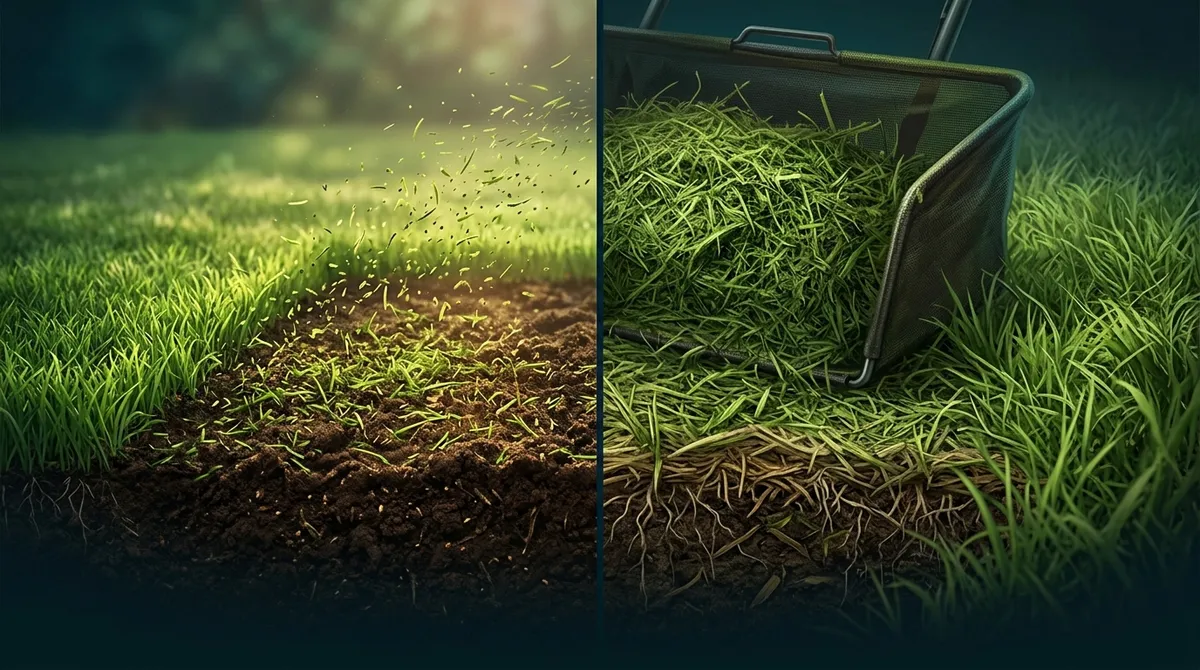
Thatch is primarily made of roots and stems, not grass clippings—short clippings from regular mowing break down quickly and rarely cause thatch problems, debunking the most common misconception about mulching.
-
Use a flexible approach combining both methods: mulch during regular cuts on healthy grass and bag when dealing with heavy growth, disease, weeds with seeds, or excessive thatch to achieve the best long-term lawn health.
-
Adjust your clipping strategy seasonally in Florida—mulch during spring/fall/winter and consider bagging more during the rainy summer when rapid growth creates heavy clippings that could smother the lawn.
-
St. Augustine, Bermuda, and Zoysia grasses have different needs; St. Augustine and Bermuda respond well to regular mulching, while Zoysia requires occasional bagging to prevent thatch accumulation.
Every time you finish mowing, you face the same question: should I bag or mulch my clippings? It sounds simple, but your answer can make a big difference for your lawn. The right choice depends on your grass type, the season, and the condition of your yard. Make the wrong call too often, and you could end up with a patchy, unhealthy lawn that takes extra work to fix.
The good news? Once you understand the basics, this decision becomes easy. Whether you’re a busy parent in Bloomingdale, a new homeowner figuring things out, or a senior who wants a beautiful yard without the hassle, this guide has you covered. Let’s break it all down in plain, simple terms so you can give your lawn exactly what it needs.
What Does Mulching Your Grass Clippings Actually Mean?
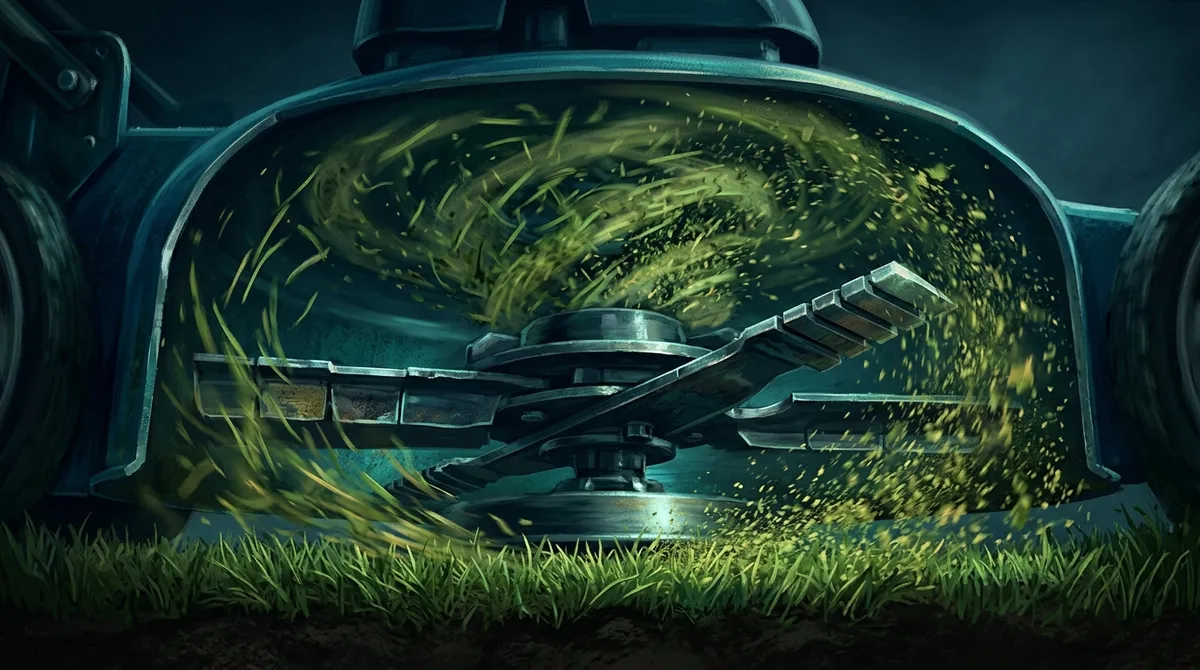
Mulching means letting your lawn mower cut the grass into tiny pieces and drop them back onto your lawn. These tiny pieces break down quickly. As they decompose, they return nutrients — especially nitrogen — back into the soil. Think of it as free, natural fertilizer for your grass.
Most modern mowers come with a mulching mode or a special mulching blade. You can learn more about how lawn mowers work and the different cutting options available. Mulching is popular because it saves time, skips bagging, and feeds your lawn naturally.
What Does Bagging Your Grass Clippings Mean?
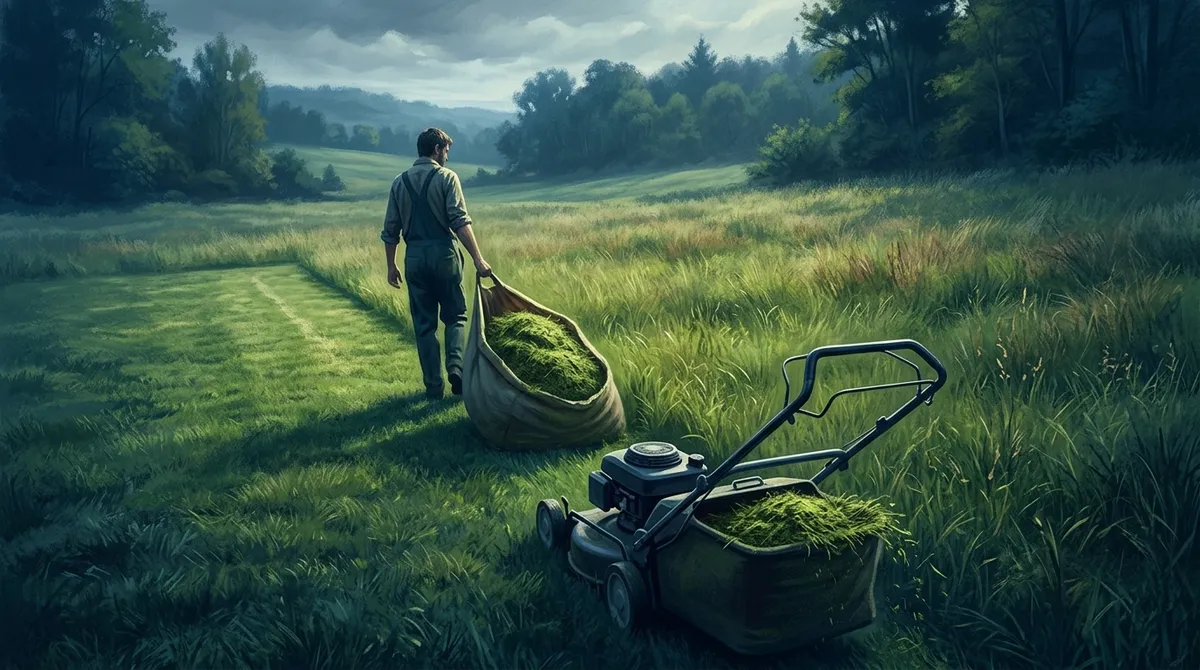
Bagging means attaching a collection bag to your mower. The bag catches all the cut grass as you mow. Once full, you empty the bag and dispose of the clippings. This keeps your lawn looking tidy and clipping-free right after mowing.
Bagging takes a little more effort. You have to stop and empty the bag, and then figure out what to do with the clippings. But in certain situations, bagging is absolutely the better choice for your lawn’s health.
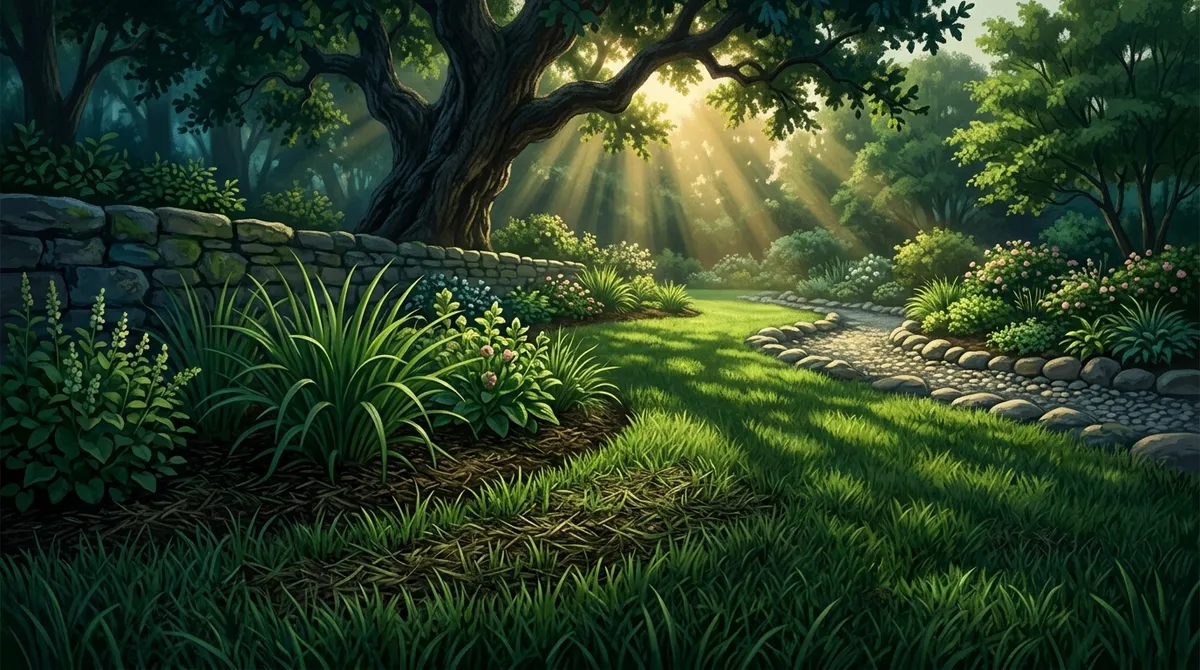
The Big Benefits of Mulching Your Clippings
Mulching offers some serious advantages for your lawn. Here are the top reasons many homeowners in Bloomingdale choose to mulch:
- Free nutrients: Grass clippings contain nitrogen, potassium, and other nutrients that feed your lawn as they break down.
- Saves time: No stopping to empty bags. Just mow and go.
- Reduces waste: Clippings stay on your lawn instead of filling up trash bags.
- Retains moisture: A thin layer of clippings helps hold moisture in the soil, especially during hot Florida summers.
- Eco-friendly: Less yard waste going to the landfill, which is great for eco-conscious families.
If you want to learn more about how mulching benefits your grass, check out this helpful article: Why Does Lawn Mulching Create Healthier Grass Than Bagging?
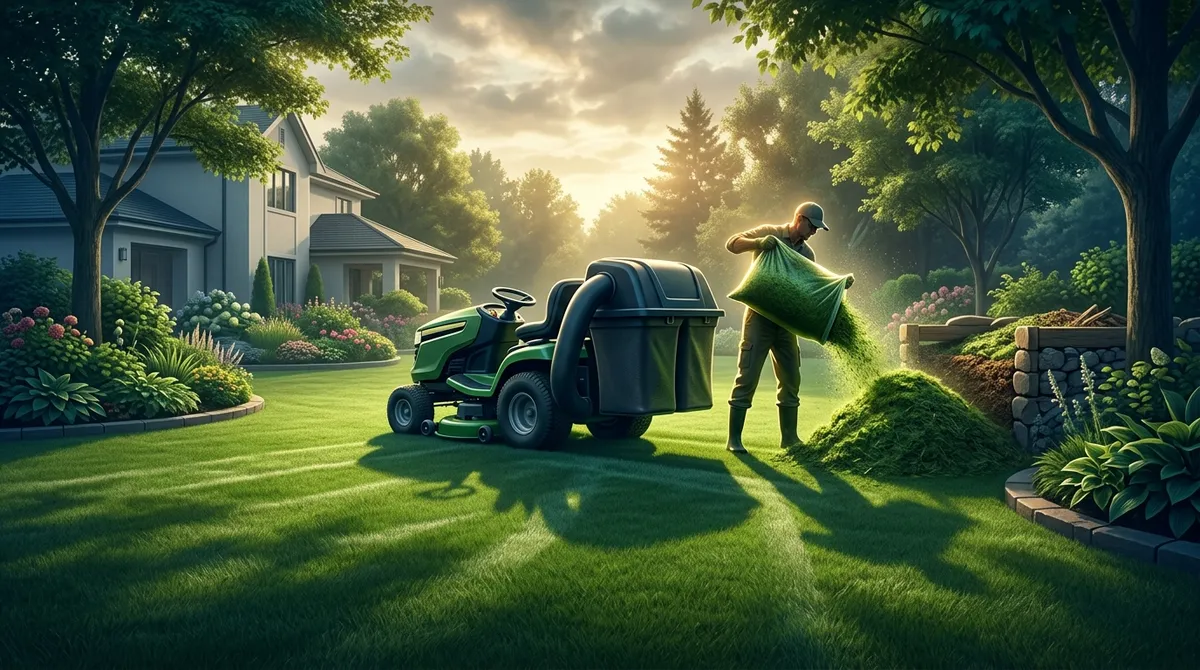
The Big Benefits of Bagging Your Clippings
Bagging isn’t always the villain. There are times when it’s the smarter, healthier choice for your lawn. Here’s why bagging can win:
- Prevents thatch buildup: Too many clippings left on the lawn can contribute to a thick layer of dead material called thatch.
- Removes disease: If your lawn has fungal problems, bagging keeps infected clippings from spreading.
- Clean appearance: Bagging leaves your lawn looking crisp and neat right away.
- Controls weed seeds: If your lawn has weeds that have already gone to seed, bagging removes those seeds before they spread.
- Best after a long gap: If the grass got too long between cuts, bagging avoids big clumps sitting on your lawn.
How to Decide: A Step-by-Step Approach
Still not sure which option is right for you? Follow these steps to make the best choice for your Bloomingdale lawn.
- Check the grass length. If you’re following the 1/3 rule for mowing and only cutting one-third of the blade at a time, clippings are short enough to mulch. Long clippings? Bag them to avoid smothering the lawn.
- Inspect your lawn for disease. See any brown patches, sliminess, or unusual discoloration? Bag the clippings so you don’t spread the problem across the whole yard.
- Look for weeds. Are there dandelions or other weeds that have already gone to flower or seed? Bagging prevents those seeds from spreading as you mow.
- Consider the season. During Florida’s hot, dry months, mulching helps retain moisture. During the wet season when growth is rapid, bagging helps manage heavy clippings.
- Check your thatch layer. Run your fingers through the base of the grass. If you feel a spongy, thick mat, it’s time to bag and give your lawn a break from mulching.
Quick Comparison: Bag vs. Mulch at a Glance
Here’s a simple breakdown to help you compare both options side by side:
| Situation | Best Choice | Why |
|---|---|---|
| Grass is the right height (1/3 rule followed) | Mulch | Short clippings break down fast and feed the lawn |
| Grass is very long or overgrown | Bag | Long clippings smother grass and create clumps |
| Lawn has fungal disease or brown patches | Bag | Stops disease from spreading across the yard |
| Lawn is healthy and growing well | Mulch | Returns nutrients and saves time |
| Weeds have gone to seed | Bag | Removes weed seeds before they spread |
| Hot, dry weather | Mulch | Helps retain soil moisture |
| Heavy thatch buildup present | Bag | Reduces further thatch accumulation |
| After using weed killer treatments | Bag | Keeps treated clippings away from lawn and garden beds |
Common Myths About Bagging and Mulching
There’s a lot of confusion about this topic. Let’s clear up some of the biggest myths.
Myth 1: Mulching Always Creates Thatch
This is one of the most common misconceptions. Thatch is mostly made of roots and stems, not grass clippings. Short clippings break down so quickly that they rarely contribute to thatch. The problem only starts when you let your grass get too long before mowing.
Myth 2: Bagging Is Always the Cleaner Choice
Bagging does give you an immediately tidy look. But if you bag every single time, you’re removing nutrients from your lawn that it needs to stay healthy. Over time, this can actually make your grass weaker and more dependent on added fertilizers.
Myth 3: You Have to Choose One or the Other
Many homeowners in Bloomingdale do both — mulching on regular cuts and bagging when the grass is long or the lawn has a problem. Flexibility is key. As the lawn mulching facts every Bloomingdale homeowner should know show, combining both methods gives you the best results over time.
What Type of Grass Do You Have? It Matters!
In Bloomingdale and the surrounding areas of Valrico, Brandon, and Fishhawk, most lawns are planted with St. Augustine grass, Bermuda grass, or Zoysia grass. Each type has slightly different needs.
- St. Augustine grass: Grows quickly in Florida’s heat and humidity. Regular mulching works great when you mow on schedule. If growth is explosive during the rainy season, bag the heavier cuts.
- Bermuda grass: A tough, drought-resistant grass that responds well to mulching. Keep it at the right height and mulch away freely.
- Zoysia grass: Slower growing but prone to thatch buildup. Be more cautious with mulching and bag occasionally to keep thatch under control.
For more specific tips on grass types, check out the best mowing height for St. Augustine grass to make sure you’re cutting at the right level every time.
Seasonal Tips for Bloomingdale Homeowners
Florida lawns change dramatically with the seasons, and so should your clipping strategy. Here’s a simple seasonal guide:
- Spring: Growth picks up fast. Mow frequently and mulch to feed the lawn as it wakes up. Watch for weeds and bag if needed.
- Summer: The rainy season means rapid growth. Mow more often and consider bagging when the grass gets ahead of you. Mulch during drier spells to retain moisture.
- Fall: Growth slows down. Mulching works well since clippings are shorter and break down easily during the milder weather.
- Winter: Grass may go semi-dormant. Mow less often and mulch to protect the soil and return any remaining nutrients.
For a full breakdown of what your lawn needs through every season, read what your lawn really needs this summer and plan your mowing schedule accordingly.
What Happens If You Always Bag or Always Mulch?
Going to either extreme can cause problems. Here’s what to watch out for:
| Always Bagging | Always Mulching |
|---|---|
| Removes natural nutrients every cut | Can build up thatch if grass is cut too long |
| Increases need for external fertilizer | Clippings may smother grass if left in clumps |
| More time emptying bags | Spreads disease if lawn is already sick |
| More waste sent to landfill | Can spread weed seeds if weeds have gone to seed |
The smart approach is to mix both methods based on what your lawn actually needs. If you’re unsure, a quick call to a local lawn care professional can point you in the right direction.
When to Call in the Professionals
Sometimes life gets busy and keeping up with your mowing schedule just isn’t possible. When the grass gets too long or you notice your lawn starting to look patchy and tired, it’s time to call in some help. Staying on top of regular mowing is the single most important thing you can do for your lawn — and it makes the bag-or-mulch decision so much easier.
At All Trusted Lawn Care, we proudly serve homeowners across Bloomingdale, Valrico, Brandon, Fishhawk, Boyette, and Riverview. Our team handles consistent, professional mowing so your grass stays at the right height every time — making mulching more effective and bagging less necessary. You can also visit All Trusted Lawn Care on Google to read reviews from your neighbors and see why so many local homeowners trust us with their yards.
We also offer mulch installation services to help your landscape beds look their best while protecting your soil. Pair that with regular lawn maintenance and your yard will stay healthy, green, and beautiful all year long. You can also follow us on our Facebook page to stay up to date with seasonal lawn care tips and local service updates.
Not sure where to start? Check out our guide on how to choose the best lawn care service for your needs and explore the lawn care tips we’ve put together especially for Florida homeowners.
A Simple Rule to Remember
If you’re ever in doubt, use this simple rule: mow often, mulch when short, bag when long. That’s really the heart of the bag-or-mulch decision. Keep your mowing schedule consistent, follow the 1/3 rule, and your lawn will thank you for it. For more help keeping your yard in great shape, explore the full range of lawn care services available in your area, or check out the article on whether you should leave grass clippings on the lawn for more detail.
Conclusion: Your Lawn, Your Choice — Made Easy
The question of whether to bag or mulch your clippings doesn’t have one single right answer. It depends on your lawn’s current condition, how often you mow, the time of year, and your grass type. Most healthy Bloomingdale lawns benefit most from mulching during regular cuts and bagging when the lawn is overgrown, diseased, or full of weeds.
The most important thing is to stay consistent with your mowing routine. A well-maintained lawn is easier to care for, looks better, and stays healthier through every season. If you’re ready to stop stressing over your yard and let a trusted local team take the wheel, we’re here to help.
Ready to get your Bloomingdale lawn looking its best? Reach out to All Trusted Lawn Care today for a free estimate, or simply give us a call at 813-833-1882 and let’s talk about what your yard needs most.
FAQs
Q: Does mulching grass clippings really cause thatch buildup?
A: Great news — this is mostly a myth! Thatch is primarily made up of roots and stems, not grass clippings. Short clippings from regular mowing break down quickly and rarely cause thatch problems. The key is to mow often enough so clippings stay small.
Q: How do I know if my grass clippings are too long to mulch?
A: A good rule of thumb is the 1/3 rule — if you’re only cutting one-third of the grass blade, the clippings are short enough to mulch. If the clippings look thick, long, or are clumping together on your lawn, it’s better to bag them that cut.
Q: Can I mulch my clippings if my lawn has weeds?
A: It depends on the weeds! If your weeds haven’t gone to flower or seed yet, mulching is fine. But if weeds have already produced seeds, bagging is the smarter move — it removes those seeds before they get a chance to spread across your entire yard.
Q: Is mulching better for the environment than bagging?
A: Yes, mulching is generally the more eco-friendly choice! It keeps yard waste out of landfills, returns natural nutrients to the soil, and reduces the need for chemical fertilizers. Eco-conscious families in Bloomingdale love this approach for keeping their yards green and sustainable.
Q: How often should I be mowing to make mulching work best?
A: For mulching to be most effective, aim to mow frequently enough so you’re only removing a small amount of grass each time. In Florida, that usually means mowing every one to two weeks depending on the season and how quickly your grass is growing.