Key Takeaways
-
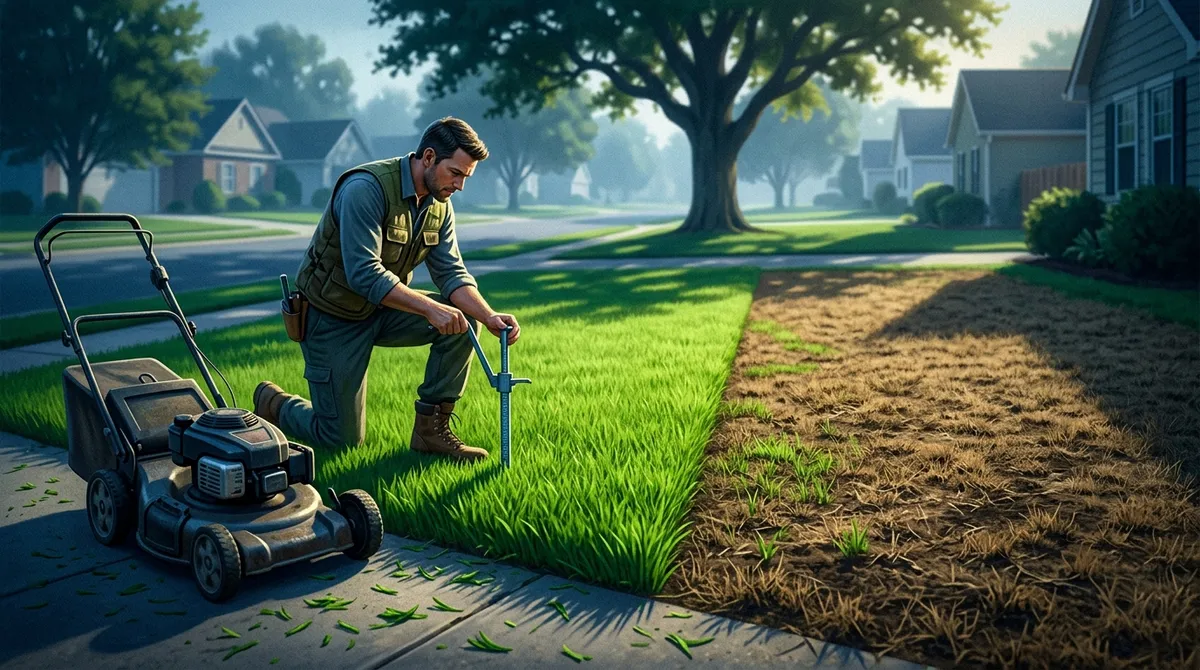
Cut grass to the correct height for your type (St. Augustine: 3.5-4 inches, Bahia: 3-4 inches) and never remove more than one-third of the blade at a time to avoid scalping and stress.
-
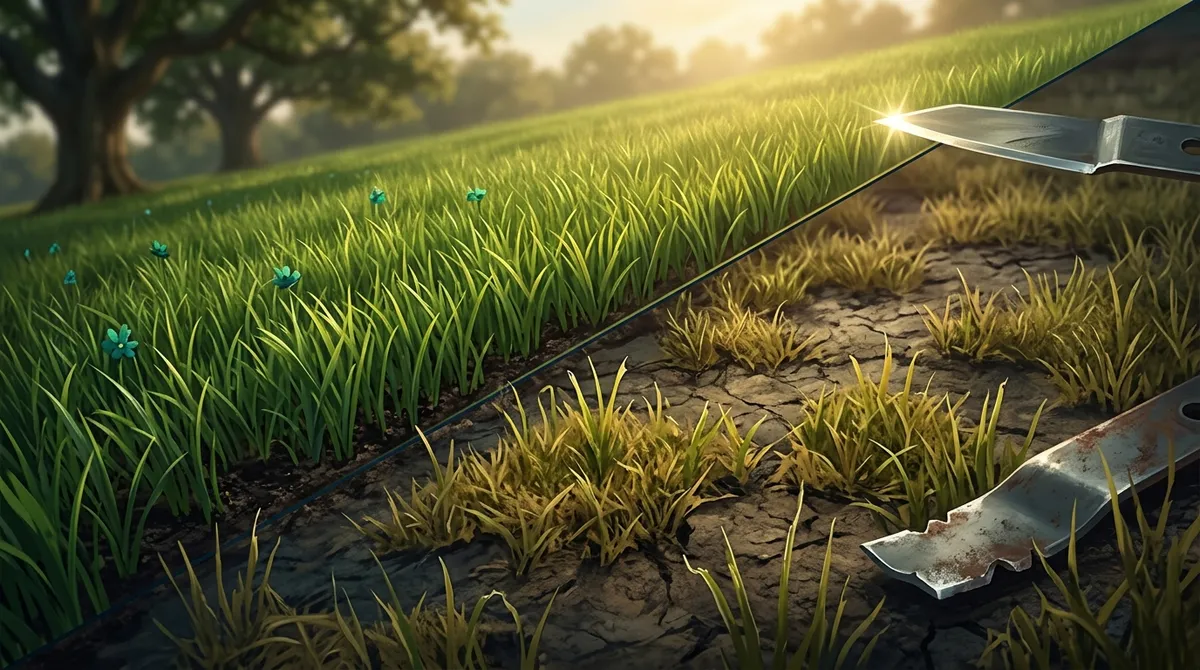
Sharpen your mower blade every 20-25 hours of use; dull blades tear grass instead of cutting cleanly, leaving jagged brown tips that make lawns look patchy immediately after mowing.
-
Mow on a consistent weekly schedule during growing season and rotate your mowing direction each visit to prevent overgrowth, uneven cutting, and grass leaning in one direction.
-
Mow only when grass is dry to avoid clumping that blocks sunlight and smothers lawn sections, and assess your yard's ground evenness since dips and bumps cause uneven cutting.
-
If patchiness persists after adjusting height and blade sharpness, suspect lawn disease, pet damage, or uneven ground—signs that indicate you need professional lawn care intervention.
-
Water stressed grass consistently and early in the morning after mowing; severe bare patches may require professional sod installation rather than waiting for natural recovery.
You just finished mowing your lawn. You step back, expecting a clean and even green yard. But instead, you notice uneven patches, thin spots, and areas that look rough or bare. Sound familiar? If you’ve ever wondered why does my lawn look patchy after cutting, you’re not alone. It’s one of the most common concerns homeowners in Riverview, FL deal with every season.
The good news? Most of the causes are fixable. Whether you’re a busy parent who barely has time to mow, a new homeowner still learning the ropes, or a senior who just wants a neat yard without the hassle, this guide will walk you through exactly what’s going wrong — and how to make it right. Let’s dig in!
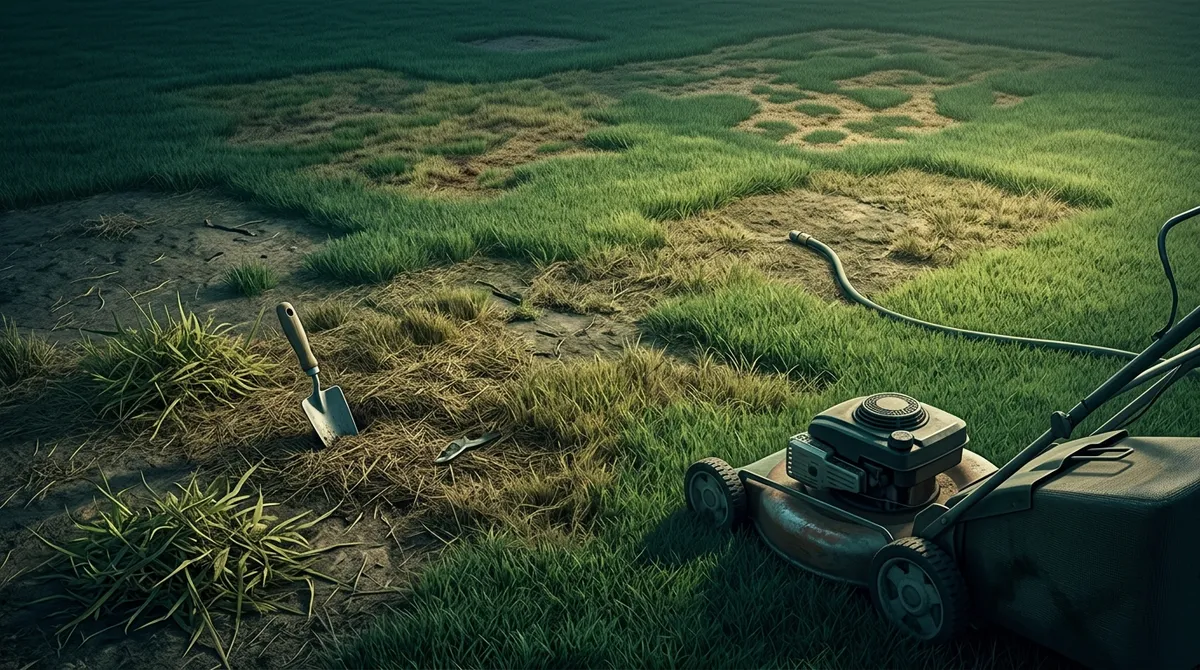
Common Reasons Your Lawn Looks Patchy After Cutting
Before you can fix the problem, you need to know what’s causing it. There are several reasons your lawn can look uneven or patchy right after you mow. Some are easy fixes. Others may need a little more attention. If you’d like to learn more about why your lawn looks patchy in the Valrico and Riverview area, that resource is a great starting point.
1. Cutting the Grass Too Short
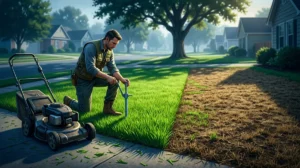
This is probably the most common culprit. When you cut your grass too short — also called scalping — you remove too much of the blade at once. This stresses the grass and exposes the soil underneath. The result looks patchy and brown. In Florida, grass like St. Augustine and Bahia needs to be kept at the right height. Cutting too low weakens the roots and makes it harder for grass to recover. You can learn more about what happens when you mow your lawn too short in Florida to avoid this mistake.
2. Dull Mower Blades
A dull lawn mower blade doesn’t cut grass cleanly. Instead, it tears and shreds the blades. This leaves jagged, uneven tips that turn brown quickly. The lawn ends up looking rough and patchy even right after mowing. Sharp blades make a big difference. Most experts recommend sharpening your mower blade at least once or twice per season.
3. Uneven Ground
If your yard has bumps, dips, or low spots, the mower will cut some areas shorter than others. This creates visible patches where the grass is cut too close. Uneven ground is very common in Florida neighborhoods and can develop over time due to rainfall, foot traffic, or tree roots. This is one reason fixing uneven spots in your lawn from mowing matters so much.
4. Skipping Regular Mowing
When grass gets too tall before you mow it, you end up cutting off more than the recommended one-third of the blade. This shocks the grass and leads to patchy, brown areas. Regular mowing keeps the lawn healthy and even. If mowing slips through the cracks, the overgrowth becomes a problem fast — especially in Riverview’s warm, humid climate where grass grows quickly.
5. Lawn Disease or Fungus
Sometimes patchiness isn’t caused by mowing at all. Lawn fungus and disease can create brown or thinning spots that become more visible after cutting. These issues are common in Florida’s heat and humidity. While mowing maintenance is our focus, if you suspect disease, it’s worth connecting with a lawn care specialist who handles treatments. We’re always happy to point you toward trusted local partners who can help.
6. Pet Damage
Dog urine is surprisingly harsh on grass. It can create yellow or brown patches that look patchy after mowing. If your pets use certain areas of the yard regularly, those spots may struggle to keep up with the rest of the lawn. You can find out how dog urine affects your lawn and what steps you can take.
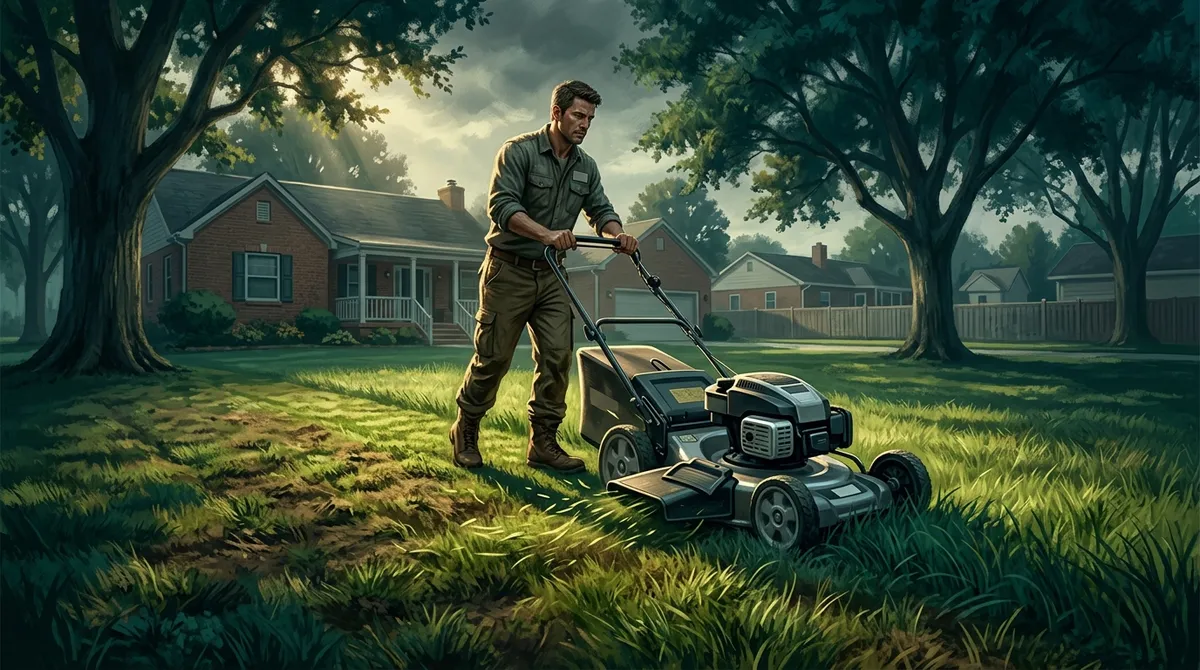
How Mowing Habits Affect Your Lawn’s Appearance
A lot of patchiness comes down to how and when you mow. Good mowing habits make a huge difference in how your lawn looks after every cut. Here’s what matters most.
Follow the One-Third Rule
Never cut more than one-third of the grass blade at a time. This is one of the golden rules of lawn care. Going beyond that causes stress and leads to browning and patchiness. If your grass has gotten tall, bring it down gradually over a few mowing sessions rather than cutting it all at once. You can read more about how to use the 1/3 rule for a healthier, greener lawn.
Mow at the Right Height for Your Grass Type
Different grass types need different mowing heights. Here’s a quick guide for common Florida grass types:
| Grass Type | Recommended Mowing Height | Mowing Frequency (Summer) |
|---|---|---|
| St. Augustine | 3.5 – 4 inches | Weekly |
| Bahia | 3 – 4 inches | Weekly to Bi-Weekly |
| Zoysia | 1.5 – 2.5 inches | Weekly |
| Bermuda | 0.5 – 1.5 inches | Weekly |
Cutting below the recommended height for your grass type is a fast track to patchiness. If you’re not sure what grass you have, check out this guide on 5 easy ways to know what type of grass you have.
Mow When the Grass Is Dry
Cutting wet grass leads to clumping. Those clumps block sunlight and can smother sections of your lawn. Always mow when the grass is dry if possible. In Riverview, morning dew and frequent afternoon rain can make timing tricky, but it’s worth waiting for drier conditions when you can.
Change Your Mowing Pattern
Mowing in the same direction every time causes the grass to lean one way and can create ruts or uneven areas. Switching up your pattern — going horizontal one week and diagonal the next — helps your lawn grow more evenly and look more uniform after each cut.
Step-by-Step: How to Fix a Patchy Lawn After Mowing
Ready to take action? Here’s a simple plan to get your lawn looking great again. These steps work well for most Riverview homeowners dealing with patchiness after cutting.
- Assess the damage: Walk your yard and identify where the patches are. Are they scattered or in specific areas? This helps you figure out the cause.
- Check your mower blade: If it’s been a while since you sharpened it, now’s the time. A sharp blade makes every cut cleaner and reduces tearing.
- Adjust your mowing height: Raise the deck a notch or two. Give your grass more blade length to work with and avoid scalping.
- Water consistently: Proper watering helps stressed grass bounce back. Water early in the morning for best results. See helpful tips on the best time to water grass for a lush lawn.
- Improve uneven ground: If low spots are causing scalping, you may need to level those areas with fill soil over time.
- Stick to a regular schedule: Consistent mowing prevents overgrowth and keeps your lawn even. Aim for weekly mowing during the growing season in Riverview.
- Consider sod for severe patches: If patches are bare and not recovering, professional sod installation can restore those areas quickly and beautifully.
When to Call a Professional Lawn Care Team
Sometimes DIY efforts aren’t enough to fix persistent patchiness. That’s completely okay! There are clear signs that it’s time to bring in a pro.
- Patches keep returning after every mow
- Large bare areas that won’t fill in on their own
- You suspect lawn disease or pest issues
- Your yard has major grading or leveling problems
- You simply don’t have the time or equipment to tackle it yourself
That’s where a trusted local team makes all the difference. Visit us on Google — All Trusted Lawn Care to see what our happy Riverview customers are saying about the results we deliver every week.
All Trusted Lawn Care proudly serves Riverview, Valrico, Bloomingdale, Fishhawk, East Brandon, and Boyette. Our team uses professional-grade equipment and sharp blades on every visit. We mow at the right height for your grass type, follow proper mowing techniques, and show up consistently so your lawn never gets overgrown. You can browse our full range of lawn care services to see everything we offer.
We’re also proud to be listed with the Better Business Bureau, which reflects our commitment to quality and trustworthy service for every client we serve.
Good Lawn Care Habits That Prevent Patchiness
Prevention is always easier than repair. Building good habits now saves you time and frustration later. Here are the top habits that keep lawns looking smooth and even all season long.
- Sharpen your mower blade regularly (every 20-25 hours of use)
- Never cut more than one-third of the blade at a time
- Mow at the correct height for your grass type
- Mow on a consistent weekly schedule during the growing season
- Avoid mowing wet grass whenever possible
- Rotate your mowing direction with each visit
- Water deeply but not too frequently to encourage strong root growth
- Keep foot traffic and pet activity in mind for sensitive areas
Want to go even deeper? Check out our article on 12 grass cutting mistakes that ruin your lawn’s look to make sure you’re not accidentally sabotaging your yard. You might also enjoy reading why regular mowing of grass is so important for your lawn for more background on keeping your yard healthy.
Is Patchiness After Mowing a Sign of a Bigger Problem?
Sometimes it is, sometimes it isn’t. Here’s a simple breakdown to help you figure out where you stand.
| Symptom | Likely Cause | DIY Fix? |
|---|---|---|
| Even patches in mow lines | Scalping or uneven ground | Yes |
| Circular or irregular brown spots | Lawn disease or fungus | May need a specialist |
| Yellow patches near fence or corners | Pet urine or poor drainage | Partial DIY |
| Clumpy, matted grass sections | Wet mowing or dull blades | Yes |
| Large bare areas with no growth | Soil issues, heavy damage, or disease | Professional help recommended |
If you’re seeing a combination of symptoms or the patchiness keeps getting worse, that’s a strong sign to call in a professional. Learning to spot why grass thins even with mowing and watering can also help you identify the deeper issue.
The Value of a Consistent Mowing Service in Riverview
One of the best ways to prevent a patchy lawn is to never let it get out of control in the first place. A consistent, professional mowing service takes that worry off your plate completely. You don’t have to think about blade height, mowing frequency, or wet grass days. It just gets done right, every time.
Our lawn maintenance service is built around reliability and results. We serve Riverview homeowners on a weekly schedule during the growing season so your lawn always looks its best. Our monthly lawn service, which includes weekly mowing, typically ranges from $180 to $220 per month depending on yard size — a great value for consistent, professional results.
You can also follow us on All Trusted Lawn Care on Facebook to stay updated on lawn care tips, seasonal advice, and what our team is working on in your neighborhood. We love sharing photos from yards across Riverview and the surrounding communities!
Conclusion: A Patchy Lawn Is Fixable — You’ve Got This!
A patchy lawn after mowing doesn’t mean your yard is ruined. In most cases, it just means one or two things need to be adjusted. Sharpen your blade, raise your mowing height, stick to a consistent schedule, and give your grass time to recover. Those four simple steps will make a noticeable difference fast.
And if you’d rather hand it all off to a team you can trust, we’re here for you. All Trusted Lawn Care has been serving Riverview, Valrico, Bloomingdale, Fishhawk, and surrounding communities with professional, dependable lawn maintenance. We’d love to help your yard look its absolute best.
Ready to stop guessing and start seeing results? Contact us today for a free estimate and let our team take care of the rest. You can also give us a call at 813-833-1882 — we’re always happy to chat about what your lawn needs!
FAQs
Q: Why does my lawn look patchy after cutting even though it looked fine before?
A: This usually comes down to mowing height or blade sharpness. Cutting too low or using a dull blade can tear the grass and expose bare soil, making the lawn look uneven right after mowing. Try raising your deck height and sharpening your blade — you’ll likely see a big improvement on your very next cut!
Q: How do I know if my mowing height is causing patchiness?
A: If you notice the patches follow your mowing lines or appear in areas where the ground dips slightly, mowing height is likely the culprit. Try raising your mower deck by one setting and see if the patchiness improves. For St. Augustine grass in Riverview, a height of 3.5 to 4 inches works best.
Q: Can I fix a patchy lawn on my own or do I need a professional?
A: Many causes of patchiness — like scalping, dull blades, or inconsistent mowing — are easy DIY fixes. However, if you’re dealing with bare spots that won’t recover, uneven ground, or suspected lawn disease, a professional lawn care team can diagnose the problem faster and get your yard back on track much sooner!
Q: How often should I mow my lawn in Riverview, FL to prevent patchiness?
A: During the growing season, weekly mowing is ideal for most Florida grass types like St. Augustine and Bahia. Regular mowing prevents overgrowth and keeps the lawn even. Skipping weeks can lead to removing too much at once, which stresses the grass and creates patchy, uneven results.
Q: Will patchy grass grow back on its own after a bad mow?
A: In many cases, yes! Grass that’s been scalped or stressed from a bad mow will often recover with proper watering and time. However, if the patches are severely bare or damaged, you may need sod installation to restore those areas. Giving your lawn consistent care and the right mowing height will speed up the recovery process.