Key Takeaways
- Certified lawn care professionals complete rigorous training programs like CLT and CTP, demonstrating comprehensive knowledge of turfgrass management and maintenance techniques.
- Experts understand specific grass types, soil conditions, and local climate requirements, enabling precise lawn care strategies tailored to individual properties.
- Proper equipment and scientific approach separate professionals from amateurs, with commercial-grade tools enabling more precise and effective lawn treatments.
- Certification ensures safety in chemical applications, environmental protection, and up-to-date knowledge of best lawn care practices.
- Professional lawn care can prevent costly mistakes, extend lawn lifespan, and save homeowners significant time and potential repair expenses.
- Different lawn care specialists exist, including maintenance experts, turf management professionals, and landscape design specialists, allowing customized service options.
Have you ever wondered why some lawns look like picture-perfect green carpets while others struggle with brown patches and weeds? The secret often lies in who’s taking care of them. A lawn care expert brings something special to the table that goes way beyond just pushing a mower around your yard.
Think of it like this: anyone can cook a meal, but a trained chef knows exactly which ingredients to use and when to add them. The same goes for lawn care. True experts understand grass types, soil health, and how to tackle problems before they spiral out of control. They’ve spent years learning the science behind what makes grass thrive in our Florida climate.
In this article, we’ll explore what separates real lawn care experts from someone who just mows grass for extra cash. You’ll discover the certifications that matter, the skills that count, and why investing in professional care can save you time, money, and headaches. Whether you’re a busy parent juggling work and family or a new homeowner trying to figure out yard maintenance, understanding these differences will help you make smarter choices for your outdoor space.

The Education and Training Behind Lawn Care Experts
Real lawn care experts don’t just wake up one day knowing everything about grass and soil. They invest serious time in education and training. Many complete courses through state universities, agricultural extensions, and professional organizations to build their knowledge base.
According to recent industry standards, the University of Tennessee Extension’s Certified Lawn Care Professional course takes approximately 15 hours to complete. While that might not sound like much, it’s packed with detailed information about plant biology, disease identification, and proper treatment methods. And here’s the kicker: these certificates need renewal every 2 years to ensure experts stay current with the latest practices.
Other programs go even deeper. The Land Care Institute certification program encompasses more than 40 hours of detailed instruction. That’s a full work week dedicated solely to learning the ins and outs of professional lawn care. During this time, students learn about everything from grass species to environmental stewardship.
Some experts pursue even more specialized training. The Texas Certified Landscape Associate certification requires 36 hours of instruction and hands-on lab work. This combination of classroom learning and practical experience creates professionals who truly understand their craft from multiple angles.

Essential Certifications That Separate Pros from Amateurs
Certifications matter. They’re not just fancy pieces of paper to hang on a wall. They prove that lawn care experts have studied hard, passed tough exams, and committed to maintaining their knowledge over time.
Certified Lawn Care Technician (CLT)
The CLT certification is one of the most respected credentials in the industry. To earn it, professionals must pass a comprehensive written exam covering multiple critical areas. These include turfgrass types, proper fertilization techniques, weed control strategies, pest management, and equipment operation. It’s like getting a driver’s license, but for your lawn.
This certification shows customers that the person working on their property knows the difference between Kentucky bluegrass and St. Augustine grass. They understand which fertilizer works best in spring versus fall. They can spot the early signs of chinch bug damage before it destroys your entire lawn. These details make a huge difference in the final results.
Certified Turfgrass Professional (CTP)
The CTP takes things up another level. This certification dives deep into turfgrass species, proper installation techniques, maintenance practices, and environmental stewardship. It’s perfect for experts who handle sod installation and complete lawn renovations.
Professionals with this credential understand how to prepare soil correctly, choose the right grass variety for your specific location, and maintain new turf during those critical first few weeks. They know that proper installation makes all the difference between a lawn that thrives and one that barely survives.
Pesticide Applicator License
Here’s something many homeowners don’t realize: in most states, applying certain pesticides, herbicides, and chemicals requires a special license. You can’t just buy industrial-strength products and spray them around. That’s actually illegal in many places.
Licensed applicators complete mandatory training and pass written exams that cover safe handling, proper application rates, environmental protection, and legal requirements. They learn how to read product labels correctly, mix chemicals safely, and apply treatments without harming beneficial insects, pets, or people. This knowledge protects your family and the environment while still getting rid of those pesky weeds and bugs.
Organizations like the National Association of Landscape Professionals help maintain these high standards across the industry. They provide continuing education opportunities and updated best practices that keep professionals at the top of their game.

The Science Behind Beautiful Lawns
Lawn care experts don’t guess about what your yard needs. They use scientific knowledge to diagnose problems and create solutions. This approach separates them from someone who just shows up with a mower and trimmer.
Understanding plant biology is crucial. Experts know that grass is a living organism with specific needs. It requires the right balance of nitrogen, phosphorus, and potassium. Too much of one nutrient can actually harm your lawn just as much as too little. Getting this balance right requires knowledge that comes from proper training.
Soil science plays a huge role too. Different soil types hold water differently. Sandy soil drains quickly and needs more frequent watering. Clay soil holds moisture longer but can become compacted. Experts test soil pH levels and adjust them when necessary because grass grows best in slightly acidic conditions around 6.0 to 7.0 on the pH scale.
Grass Type Expertise
Not all grass is created equal. What works beautifully in northern climates might struggle in Florida’s heat and humidity. Lawn care experts know the differences between warm-season and cool-season grasses. They understand which varieties tolerate shade, which ones handle heavy foot traffic, and which ones resist common local diseases.
For example, St. Augustine grass thrives in Florida’s climate and handles our hot summers well. But it needs different care than Bermuda grass or Zoysia. Experts know these differences and adjust their maintenance schedules accordingly.
Disease and Pest Identification
When brown patches appear in your lawn, is it a fungal disease, insect damage, or just drought stress? Lawn care experts can tell the difference. They’ve studied plant pathology and entomology enough to recognize common problems by sight.
Take dollar spot disease, for example. It creates small, silver-dollar-sized brown patches in lawns. To the untrained eye, it might look like pet damage or dry spots. But experts know that dollar spot thrives in humid conditions with low nitrogen levels. They treat it with targeted fungicides and adjust fertilization schedules to prevent it from coming back.
Similarly, chinch bugs can devastate a lawn quickly. These tiny insects suck the juice from grass blades, leaving dead patches that spread rapidly in hot weather. Experts recognize the distinctive pattern of damage and know exactly which treatments work best without harming beneficial insects.

Professional Equipment Makes a Real Difference
Walk into any professional lawn care company’s shop, and you’ll see equipment that costs more than many used cars. There’s a good reason for that investment. Professional-grade tools deliver better results and last much longer than homeowner equipment.
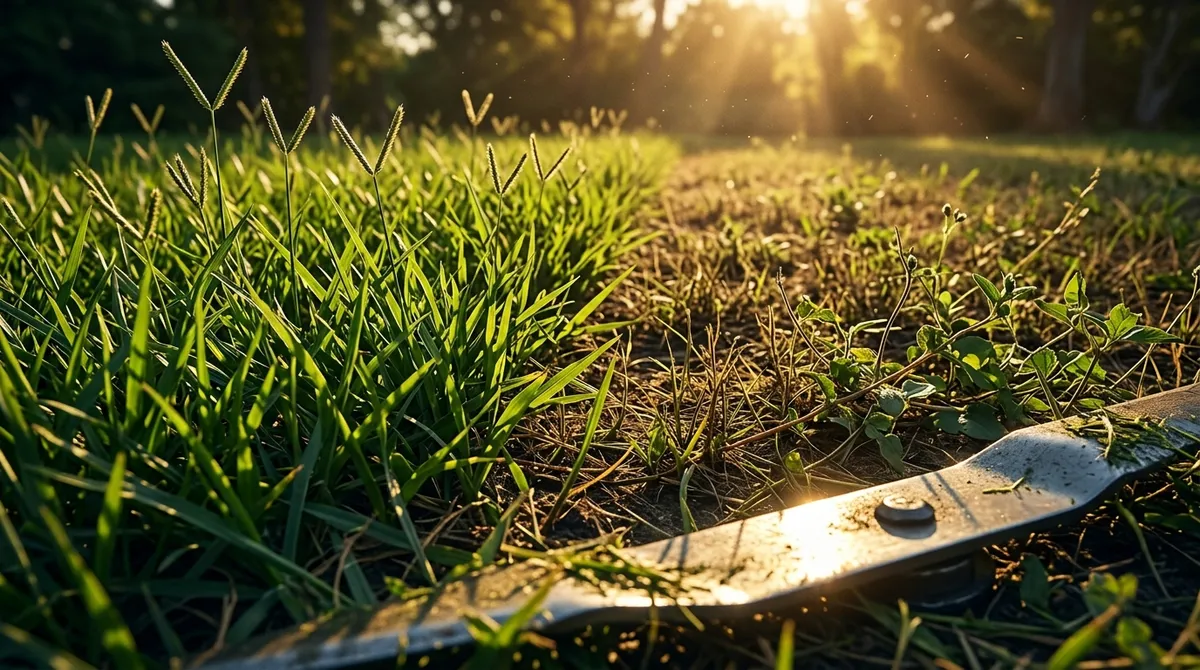
Commercial mowers cut more evenly and handle various grass heights without scalping or tearing. They have sharper blades that slice cleanly rather than tearing grass, which reduces stress on your lawn and helps prevent disease. Professional aerators penetrate deeper and create better soil conditions for root growth.
Sprayers deliver precise amounts of fertilizer, herbicides, or pesticides exactly where needed. This precision reduces waste, protects the environment, and saves money in the long run. It also means fewer chemicals end up in places they shouldn’t be, like your flower beds or vegetable garden.
But equipment only matters if the person using it knows what they’re doing. That’s where professional training comes in again. Experts learn proper equipment operation, maintenance schedules, and safety protocols. They know how to adjust mower height for different seasons and grass types. They understand the importance of keeping blades sharp and engines properly tuned.
Why Certification Matters to You as a Customer
You might be thinking, “Okay, certifications sound nice, but what does this really mean for my lawn?” Fair question. Let’s break down the practical benefits you get when you hire certified professionals.
Professional certifications demonstrate that lawn care experts stay current with best practices. The lawn care industry evolves constantly. New products come to market, research reveals better methods, and regulations change. Certified professionals commit to ongoing education, which means they bring the latest knowledge to your property.
Safety is another huge factor. Certified experts apply weed and pest controls safely. They know proper handling procedures, correct application rates, and timing for treatments. This knowledge protects your children, pets, and the environment. You can feel confident letting your kids play in the yard after treatments because certified professionals follow strict safety guidelines.
Quality and reliability come with certification too. When someone has invested time and money in professional credentials, they’re committed to their career. They’re not just looking for quick cash between other jobs. They take pride in their work and want to maintain their professional reputation.
At All Trusted Lawn Care, our team brings certified expertise to every property we service in Valrico and surrounding areas. We stay updated on the latest techniques and products to deliver the best possible results for our customers.
The Financial Benefits of Expert Care
Hiring lawn care experts might seem more expensive upfront than doing it yourself or hiring the neighborhood kid with a mower. But let’s look at the real numbers over time.
First, experts prevent costly mistakes. Applying the wrong fertilizer at the wrong time can burn your lawn, requiring expensive repairs or even complete re-sodding. Using the wrong herbicide can kill your entire lawn. One mistake can cost thousands of dollars to fix. Experts get it right the first time.
Second, professional care extends your lawn’s lifespan. Proper maintenance reduces the need for major renovations. A well-maintained lawn can last decades without needing replacement, while neglected lawns might need re-sodding every few years.
Third, experts work efficiently. What might take you all weekend to accomplish, they complete in a couple of hours. Your time has value too. Think about what you’d rather do on Saturday morning: push a mower around in the heat or relax with your family?
The Different Types of Lawn Care Experts
Not all lawn care professionals specialize in the same things. Understanding these differences helps you choose the right expert for your specific needs.
Maintenance Specialists
These experts focus on regular upkeep. They handle mowing, edging, trimming, and basic maintenance tasks. They keep your lawn looking neat and tidy week after week. Many also offer seasonal services like leaf clean-up and basic fertilization.
Turf Management Specialists
These professionals focus on lawn health rather than just appearance. They analyze soil, identify diseases, manage pest problems, and create customized fertilization programs. They’re the doctors of the lawn care world, diagnosing problems and prescribing treatments.
Installation and Renovation Experts
Some experts specialize in creating new lawns or completely renovating struggling ones. They handle everything from soil preparation to sod installation to establishing new grass. This work requires different skills than regular maintenance and often involves equipment like sod cutters and soil tillers.
Landscape Design Professionals
These experts combine lawn care knowledge with artistic vision. They create beautiful outdoor spaces that include healthy lawns, attractive plantings, and functional hardscaping. They understand how different elements work together to create curb appeal and outdoor living spaces.
Many companies offer multiple specialties under one roof. For example, our comprehensive services cover everything from basic maintenance to complete landscape installations. This one-stop-shop approach makes life easier for busy homeowners who don’t want to coordinate multiple contractors.
Questions to Ask When Hiring a Lawn Care Expert
Not everyone who claims to be a lawn care expert actually has the credentials to back it up. Here are the key questions you should ask before hiring anyone to work on your property.
- What certifications do you hold? Ask specifically about CLT, CTP, or state-specific credentials. Don’t be shy about requesting proof.
- Do you have a current Pesticide Applicator License? If they’ll be applying any chemicals, this license is mandatory in most states.
- How long have you been in business? Experience matters, but combine this with questions about ongoing education.
- Are you insured? Proper insurance protects you if something goes wrong on your property.
- Can you provide references? Talk to past customers about their experiences with quality, reliability, and communication.
- What services are included in your packages? Make sure you understand exactly what you’re paying for.
- How do you handle problems or complaints? A professional company has clear procedures for addressing customer concerns.
- Do you guarantee your work? Quality companies stand behind their services.
These questions help you separate true professionals from people who just own a mower and truck. Taking time to ask them upfront prevents headaches later.
The Role of Continuing Education
The best lawn care experts never stop learning. The industry changes constantly, with new products, techniques, and regulations appearing regularly. Professionals who stay on top of these changes deliver better results than those who rely on outdated knowledge.
Continuing education takes many forms. Professional organizations offer workshops, seminars, and conferences where experts learn about the latest research and techniques. Online platforms provide self-paced courses that fit busy schedules. University extension services publish updated guidelines based on current research.
Some certifications require regular renewal to ensure professionals maintain their knowledge. For example, certificates from the University of Tennessee Extension are valid for 2 years before renewal is required. This requirement pushes professionals to stay current rather than coasting on old information.
Industry publications and websites also provide valuable ongoing education. Experts who read trade magazines and follow reputable online sources stay informed about new products, emerging pest threats, and changing best practices. This commitment to learning directly benefits their customers through better service and results.
Environmental Responsibility and Modern Lawn Care
Today’s lawn care experts understand that beautiful lawns and environmental protection go hand in hand. Modern practices focus on sustainability, water conservation, and minimizing chemical use while still maintaining healthy, attractive grass.
Integrated Pest Management (IPM) represents one major shift in the industry. Instead of automatically spraying chemicals on a set schedule, experts using IPM monitor for actual pest problems and use targeted treatments only when necessary. This approach reduces chemical use while still controlling pests effectively.
Water conservation has become increasingly important. Experts know how to adjust watering schedules based on weather, season, and grass type. They understand that proper watering depth matters more than frequency. Deep, infrequent watering encourages deep root growth, creating more drought-resistant lawns.
Organic options have expanded significantly in recent years. While synthetic fertilizers still have their place, many experts now incorporate organic products that improve soil health over time. These products feed beneficial soil microorganisms that help grass access nutrients more efficiently.
Native plant integration represents another environmental trend. While maintaining a traditional lawn, experts might suggest incorporating native plants around the edges or in flower beds. These plants require less water and maintenance while providing habitat for beneficial insects and pollinators.
The Value of Local Expertise
National lawn care companies have their place, but local experts bring something special to the table. They understand your specific climate, soil conditions, and common local problems. This knowledge makes a real difference in results.
In the Valrico area, for example, we deal with specific challenges like sandy soil, intense summer heat, and afternoon thunderstorms. Local experts know which grass varieties perform best here. They understand the timing for fertilization, pest control, and other treatments based on local weather patterns.
Local companies also have stronger ties to the community. Your lawn’s success directly impacts their reputation among neighbors and friends. This creates powerful motivation to deliver excellent results every single time. Plus, local businesses typically provide more personalized service and easier communication than large corporate operations.
When you work with a local expert, you’re not just a number in a database. You’re a neighbor whose satisfaction matters personally. That difference shows up in attention to detail, responsiveness to concerns, and willingness to go the extra mile.
Ready to experience the difference that true lawn care expertise makes? Reach out to our team today for a free estimate. We’ll show you exactly what professional care can do for your property.
Making the Smart Choice for Your Lawn
Your lawn is more than just grass. It’s where your kids play, where you relax on weekends, and a major part of your home’s curb appeal. It deserves care from someone who truly understands what it needs to thrive.
Lawn care experts bring education, certification, experience, and commitment to every property they service. They use science-based approaches rather than guesswork. They invest in professional equipment and ongoing education. They follow safety protocols that protect your family and the environment. And they stand behind their work with guarantees and responsive customer service.
The difference between an expert and someone just mowing grass shows up in your lawn’s health, appearance, and longevity. It shows up in fewer problems, lower long-term costs, and more time for you to enjoy your outdoor space rather than work in it.
Whether you’re struggling with a problem lawn, maintaining a healthy yard, or planning a complete renovation, working with certified professionals makes the journey easier and the results better. You wouldn’t trust just anyone to work on your car or your teeth. Your lawn deserves the same level of professional expertise.
At All Trusted Lawn Care, we combine certified expertise with local knowledge and genuine commitment to customer satisfaction. Our team stays current with the latest techniques and products to deliver exceptional results for every client. We’ve built our reputation one satisfied customer at a time, and we’d love to show you what professional care can do for your property.
Don’t settle for mediocre results from inexperienced providers. Your lawn is too important for that. Contact our team or give us a call at 813-833-1882 to schedule your free estimate. Let’s talk about your lawn’s needs and how our expertise can help you achieve the beautiful, healthy yard you’ve always wanted. Visit our Google Business Profile to see what our satisfied customers have to say about our services.
Your dream lawn is closer than you think. It just needs the right expert to help it reach its full potential. Let’s make that happen together.
FAQs
Q: What certifications should I look for in a lawn care professional?
A: Look for credentials like the Certified Lawn Care Technician (CLT) or Certified Turfgrass Professional (CTP). Also make sure they have a current Pesticide Applicator License if they’ll be applying chemicals. These certifications show they’ve completed proper training and passed comprehensive exams covering grass types, fertilization, pest control, and safe chemical handling.
Q: How much training do lawn care experts actually need?
A: Professional certification programs typically require 15 to 40+ hours of instruction, depending on the specific credential. For example, the University of Tennessee Extension’s program takes about 15 hours, while more comprehensive courses like the Land Care Institute certification involve over 40 hours of detailed training. Most certifications also require renewal every 2 years to ensure experts stay current.
Q: Is hiring a certified lawn care expert worth the extra cost?
A: Absolutely! Certified experts prevent costly mistakes that can damage your lawn and require expensive repairs. They work efficiently, saving you time and money in the long run. Plus, their knowledge of proper techniques and products means your lawn stays healthier longer, reducing the need for major renovations down the road.
Q: Can someone legally apply pesticides without a license?
A: In most states, no. Applying certain pesticides, herbicides, and chemicals requires a Pesticide Applicator License. This ensures the person has completed mandatory training on safe handling, proper application rates, environmental protection, and legal requirements. Always ask to see proof of licensing before allowing anyone to apply chemicals to your property.
Q: What’s the difference between maintenance specialists and turf management specialists?
A: Maintenance specialists focus on regular upkeep like mowing, edging, and trimming to keep your lawn looking neat. Turf management specialists are more like lawn doctors who analyze soil health, identify diseases, manage pest problems, and create customized treatment plans. Both are important, but they serve different purposes in keeping your lawn healthy and attractive.